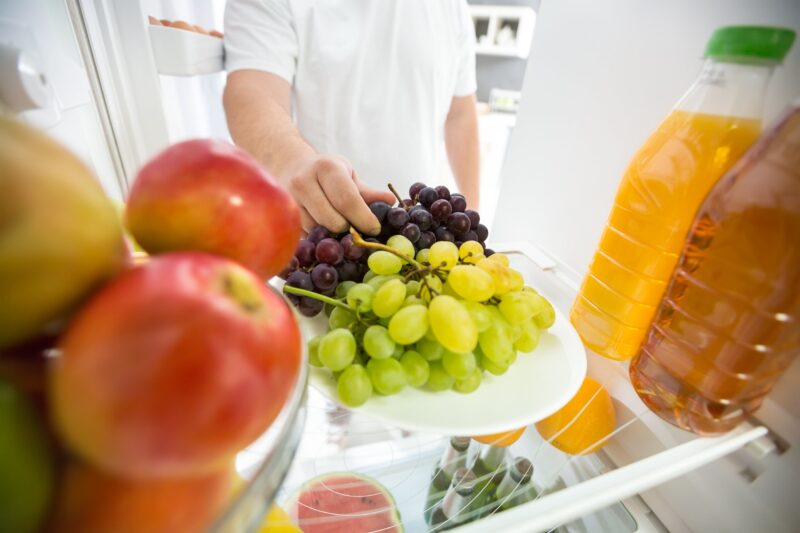
Fruits are essential foods for health, rich in vitamins, fiber, and antioxidants. However, the timing of their consumption has a significant impact on digestion and nutrient absorption. Many people tend to eat fruits immediately after a substantial meal, but nutritionists warn that this practice can have unpleasant effects on digestion and even on long-term health.
Why It’s Not Good to Eat Fruits After a Meal
1. Slowing Down Digestion
When fruits are consumed immediately after a meal rich in proteins and fats, they remain in the stomach for a longer time. Fruits require quick digestion, generally 20-40 minutes, while heavy foods can stay in the stomach for 24 hours. This delay causes fruits to ferment, leading to bloating, gas, and abdominal discomfort. Many nutritionists explain that this phenomenon occurs especially with fruits high in natural sugars (grapes, bananas, mangoes).
2. Fermentation and Gas
When the sugars in fruits stay too long in the stomach, bacteria in the digestive tract begin to ferment them. This process leads to gas formation, which can cause bloating, frequent burping, and even abdominal cramps. People with irritable bowel syndrome particularly feel these effects more strongly, as shown in several gastroenterological studies.
3. Poor Nutrient Absorption
Vitamins and antioxidants from fruits are best absorbed on an empty stomach. When consumed after a heavy meal, the absorption of these nutrients is slowed and diminished. For example, vitamin C from citrus fruits or kiwi is absorbed more poorly when the stomach is full of proteins and fats. In the long run, this can reduce the actual benefits of fruits for immunity and overall health.
4. Sharp Increases in Blood Sugar
Fruits contain natural sugars (fructose and glucose). If consumed immediately after a meal, especially one rich in carbohydrates, they can cause a spike in blood sugar and a rapid release of insulin. This can be problematic for people with insulin resistance or diabetes. Endocrinologists recommend consuming fruits as a separate snack to avoid blood sugar fluctuations.
5. Gastric Discomfort and Reflux
Some people experience heartburn or reflux when consuming fruits after a hearty meal. This is due to the stomach already being full, and the increased acid secretions combined with the fermentation of fruits can exacerbate gastroesophageal reflux symptoms. Citrus fruits and pineapple are among the most irritating in this context.
Relevant Studies and Research
A study published in the World Journal of Gastroenterology (2017) analyzed the digestion of different types of carbohydrates and their effect on gut flora. Researchers demonstrated that simple sugars, such as those from fruits, begin to ferment rapidly if they stay too long in the stomach. This fermentation produces gas and alters the balance of the gut microbiota, increasing the risk of bloating and discomfort. The study concluded that fruits are best tolerated when consumed separately from heavy meals.
Another study conducted by the University of California (2019) examined the absorption of vitamin C based on the timing of fruit consumption. The results showed that blood levels of vitamin C were 30% higher when fruits were consumed on an empty stomach compared to when they were consumed after a protein-rich meal. This confirms the importance of meal timing for nutrient bioavailability.
Research conducted in the European Journal of Clinical Nutrition (2020) highlighted the impact of consuming fruits after meals on blood sugar levels. Individuals with prediabetes who consumed fruits immediately after a meal had higher and sharper blood sugar increases compared to those who consumed the same fruits two hours after the meal. The conclusion was that proper food distribution plays a preventive role in blood sugar management.
Contraindications
- Individuals with diabetes or insulin resistance should completely avoid consuming fruits immediately after meals.
- Those suffering from irritable bowel syndrome may experience pronounced bloating.
- People with gastroesophageal reflux may have severe heartburn.
- Small children may experience colic and discomfort if fruits are combined with main meals.
- In cases of liver conditions, filling the stomach with complex meals followed by fruits can affect digestion.
Practical Recommendations
Consume fruits in the morning, on an empty stomach, or between meals.
Allow a 2-hour interval after a meal before consuming fruits.
Combine fruits with nuts (walnuts, almonds) for better absorption and a lower glycemic index.
Nutritional Table of Commonly Consumed Fruits (100 g)
| Fruit | Calories | Fiber (g) | Vitamin C (mg) | Sugar (g) |
|---|---|---|---|---|
| Apple | 52 | 2.4 | 4.6 | 10.4 |
| Banana | 89 | 2.6 | 8.7 | 12.2 |
| Orange | 47 | 2.4 | 53.2 | 9.4 |
| Kiwi | 61 | 3.0 | 92.7 | 9.0 |
| Grapes | 69 | 0.9 | 10.8 | 15.5 |




