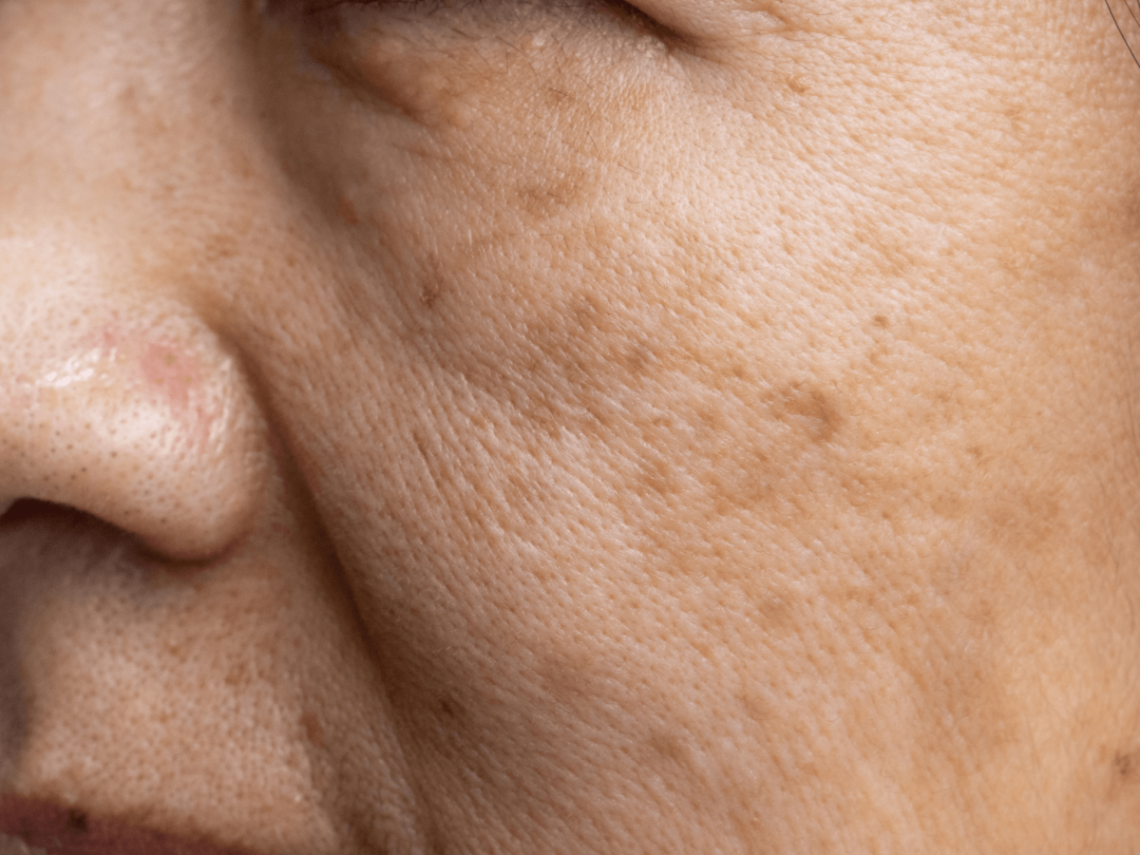
Pigmentation spots, caused by sun exposure, aging, or hormonal imbalances, can often be difficult to fade. A lesser-known natural remedy has notable results in evening out skin tone: rosehip oil (Rosa canina). With a rich composition of essential fatty acids and natural retinoids, this oil is used exclusively in the evening as it is photosensitizing.
What Rosehip Oil Contains
Rosehip oil is obtained from the seeds of wild rose through cold pressing to preserve its active properties. Its content includes:
- Linoleic and linolenic acid – restores the skin barrier and promotes cellular regeneration
- Natural Vitamin A (plant retinoid) – stimulates cellular renewal, contributing to the fading of spots
- Vitamin C – aids in collagen synthesis and reduces hyperpigmentation
- Lycope and beta-carotene – powerful antioxidants that protect the skin from oxidative stress
How It Works on Pigmentation Spots
Rosehip oil acts deeply on the affected areas:
- Accelerates cellular turnover, helping the skin to naturally exfoliate and eliminate accumulated pigment
- Inhibits excessive melanin production, responsible for the appearance of spots
- Evens out skin tone, due to the combination of retinoids and Vitamin C
- Intensely hydrates, supporting the elasticity and repair of affected skin
How to Use It Correctly – Only in the Evening
Due to its natural retinoid content, rosehip oil should not be applied in the morning or before sun exposure, as it can increase the skin’s photosensitivity and the risk of burns or new spots.
Application Method:
- Cleanse the face with a gentle, alcohol-free gel
- Tone the skin with floral water (rose, chamomile, or lavender)
- Apply 2-3 drops of rosehip oil on damp skin, gently massaging
- Let it act overnight
- In the morning, wash your face and apply SPF 50 cream
It is recommended to apply for a minimum of 6 weeks for visible results.
Other Dermatocosmetic Uses
In addition to fading pigmentation spots, rosehip oil is also used for:
- Post-acne scars
- Stretch marks and dry skin
- Mature skin and fine wrinkles
- Minor burns or superficial injuries
Contraindications and Precautions
- Not recommended for people with active acne (may clog pores in oily skin)
- Avoid application around the eyes
- Do not use during the day without sun protection
- Do not apply to irritated skin or open eczema
- Test the product on a small area before first use (to avoid allergic reactions)
Studies and Evidence
- Journal of Cosmetic Dermatology (2020) – A study showed that daily application of rosehip oil led to a visible reduction in pigmentation spots and an increase in hydration levels after 8 weeks.
- Phytotherapy Research (2019) – Confirmed that the fatty acids and Vitamin A in rosehip oil contribute to tissue regeneration and reduction of post-inflammatory spots.
- Medical Hypotheses (2021) – The study proposes the use of rosehip oil as a natural alternative to synthetic retinoids in anti-pigmentation treatments, with fewer side effects.
Rosehip oil is a valuable ally in the fight against pigmentation spots, provided it is used correctly, only in the evening, and with adequate sun protection during the day. With an exceptional nutritional profile, it offers deep regeneration for the skin without resorting to aggressive substances.
Sources:
- Journal of Cosmetic Dermatology Effects of rosehip oil on facial skin hyperpigmentation
- Phytotherapy Research The role of essential fatty acids and vitamin A in skin regeneration
- Medical Hypotheses Rosehip oil as a natural retinoid substitute in pigmentation disorders