Did you know that many of those oils you use in cooking can also be applied to your skin, for example, to help heal dryness, sun damage, and clogged pores? Grape seed oil is one such oil.
Why is grape seed oil good for your skin? It is rich in polyunsaturated fats (also known as PUFAs), which can help combat inflammation and provide hydration, as well as antioxidant vitamin E.
Studies show that, due to these nutrients, topical application of this oil—whether used as a moisturizer, massage oil, or carrier oil—can have effects such as reducing acne, hyperpigmentation, and more.
What is grape seed oil?
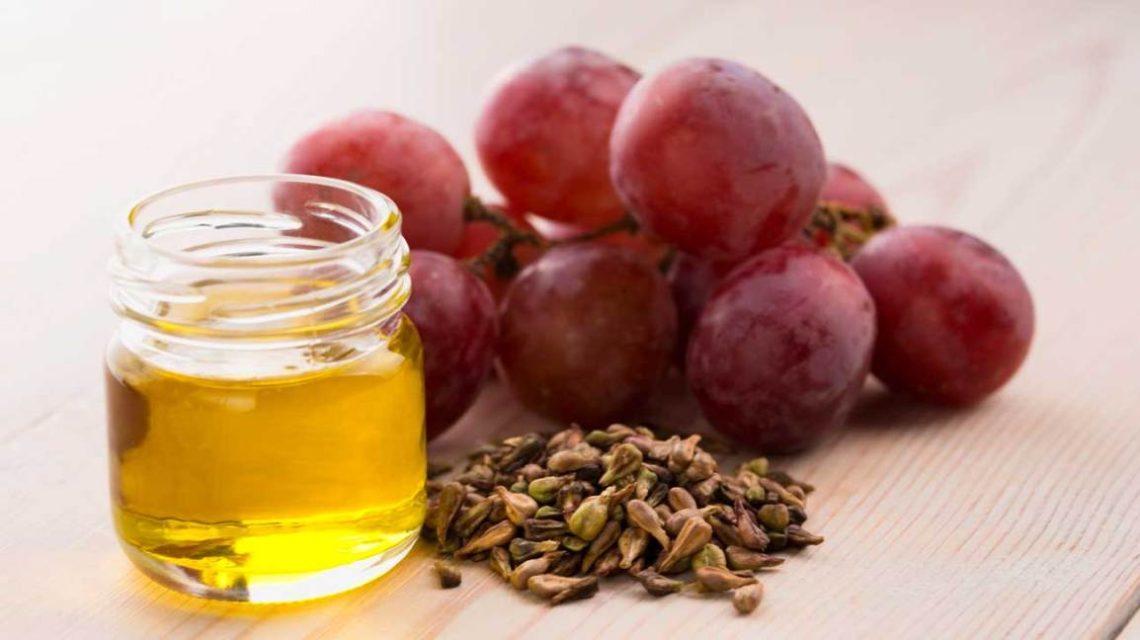
Grape seed oil is obtained by pressing the seeds of grapes (Vitis vinifera). These are the same grapes used to make wine and grape juice, both of which are rich in antioxidants, just like grape seed oil and grape seed extract.
The compounds that promote health found in this oil include not only polyunsaturated fats but also phytochemicals, including proanthocyanidins, pycnogenol, tocopherol, linoleic acid, and others, which research shows have strong antioxidant effects.
Grape seed oil has a very high PUFA content, ranging from 85-90 percent. Linoleic acid is the most abundant fatty acid in cold-pressed grape seed oils and has been found to play a direct role in maintaining the integrity of the skin’s moisture barrier.
According to a 2010 study investigating the effects of popular natural moisturizers, the pycnogenol content in grape seed oil is responsible for many of its cosmetic uses. This is why you will find it in products such as serums, facial creams, toners, makeup, and hair treatments.
Benefits for the skin
1. Hydrates the skin and reduces dryness
Dry skin is a common problem for both children and adults, caused by factors including frequent use of hot water, soaps, detergents, and irritants such as fragrances and dyes. These products can strip the natural oils from the skin’s surface and disrupt the skin’s moisture content, leading to dryness, loss of elasticity, and irritation.
According to a 2018 article focused on the application of plant oils, the high concentration of PUFAs, which are essential unsaturated fatty acids, along with antioxidants, contribute to the moisturizing qualities of grape seed oil. Applying this oil to the face or body can help maintain normal skin moisture and has soothing effects.
Grape seed oil vs olive oil for dry skin: which is better? Both are found in many natural/plant-based moisturizers because they have similar effects and are well tolerated by people with different skin types.
The aforementioned study found that both grape seed products and olive oil (Oleum olivae/Olea europaea) (along with aloe vera, almond, wheat germ, sandalwood, and cucumber products) tend to lead to better viscoelastic and moisturizing effects compared to the chemical substances in most products on the market.
That said, some believe that grape seed oil has the same benefits as olive oil but is better absorbed, leaving less greasy residue. It also has a higher vitamin E content. This means it may be better for those with oily skin or who are prone to acne, as it is less likely to leave a shine or clog pores.
2. May help combat acne
Some researchers have shown that grape seed oil has mild antimicrobial properties, meaning it can help prevent the buildup of bacteria that can lead to clogged pores and acne. It is also rich in phenolic compounds, fatty acids, and vitamin E, which can help heal scars or marks from previous breakouts.
Since it is not a heavy oil and is suitable for sensitive skin, it is even safe to use grape seed oil on oily skin in small amounts. For even stronger acne-fighting effects, it can be combined with other plant products and essential oils, such as tea tree oil, rose water, and witch hazel.
3. May help protect against sun damage
Is grape seed oil good for your face if you have developed sun damage? Yes; because it contains a range of antioxidants such as vitamin E, proanthocyanidin, flavonoids, carotenoids, phenolic acids, tannins, and stilbenes, it can have anti-aging and anti-inflammatory effects. Vitamin E, for example, contributes to the beneficial effects of this oil due to its high antioxidant activity and protection of skin cells.
Due to its ability to help protect against oxidative stress, applying grape seed oil can improve the appearance of the skin and reduce minor signs of aging, such as loss of elasticity and dark spots.
While it should not be used as a substitute for regular sunscreen, there is some evidence that plant oils like grape seed oil and coconut oil can provide some protection against UV rays from the sun.
4. May help support wound healing
Although most studies investigating the effects of grape seed oil on wound care have been conducted in laboratories or on animals, there is some evidence that, when applied topically, it may help wounds heal faster. One mechanism by which it works is by improving the synthesis of vascular endothelial growth factor, which forms connective tissue.
It also has antimicrobial activity against pathogens that can cause infections in wounds.
5. May help improve hyperpigmentation and melasma symptoms
A small study published in the journal Phytotherapy Research found evidence that grape seed extract taken in pill form could help treat chloasma/melasma, a condition that causes skin hyperpigmentation and is often difficult to treat. The antioxidant proanthocyanidin is believed to contribute to the skin-lightening effects of the oil.
Within six months of taking the extract, symptoms improved at least slightly in 10 of the 12 women (83%). Researchers involved in the study also noted that the extract may prevent the worsening of the condition before the summer season, when sun exposure can exacerbate symptoms.
6. Can be used as a massage or carrier oil
Grape seed oil is a good massage oil for all skin types, and it can be mixed with various essential oils to enhance its effectiveness.
For example, combining it with lavender oil can help reduce redness and inflammation of the skin, while mixing it with eucalyptus oil and applying it to the chest can help reduce congestion.
It is also possible to use the oil with peppermint, tea tree, or lemon oil for various purposes, including combating acne, tension headaches, and joint pain when massaged into the skin.
How to use it
You can use grape seed oil for skin health in two ways: either by applying it directly to the skin or taking grape seed oil extract orally, either in liquid form or in capsules/tablets.
Ideally, purchase cold-pressed, pure, organic grape seed oil products. When oils are cold-pressed or expelled, they require less use of chemical solvents.
Research generally shows that cold-pressed plant oils have better nutritional properties than those that have undergone an intensive refining process.
If you choose to take capsules with grape seed extract to improve skin appearance, keep in mind that it may take several weeks or even months to see results. Some studies have found that most results will be obtained within six months of regular use.
As for where to buy grape seed oil for skin, look in regular supermarkets, health food stores, or online. Store the oil in a dark place that is not too hot or humid, as this can lead to oil degradation.
Here’s how to use grape seed oil for hydration, skin nourishment, and more:
For facial hydration You can use grape seed oil alone, like a serum, or you can mix a few drops into your favorite lotions/creams. Try to combine it with other good skin ingredients, such as aloe vera, shea butter, coconut oil, or rose water. You can also use it to help remove makeup before cleansing the skin and then moisturizing.
As a body moisturizer Some people prefer to apply the oil during or immediately after a shower, which helps prevent messiness if you use a lot. However, even two or three drops can be used to hydrate small patches of dry skin.
To treat acne Cleanse your face with a gentle cleanser and then apply a small amount of grape seed oil (starting with a few drops), possibly mixed with essential oils for acne-fighting, such as tea tree or lavender. You can leave these oils on the skin or use them to create a thicker mask that you leave on for about 10 minutes to absorb, then rinse.
For massage Warm the oil slightly in your hands before using it anywhere on the body or scalp (note: the oil is also excellent for hair).
For skin tightening/anti-aging effects Apply a few drops all over your clean face before bed and again in the morning before sun exposure. This works best when done daily, especially if you use other anti-aging essential oils and ingredients like jojoba oil, pomegranate seed extract, and tea tree oil. You can also gently dab a few drops around the dark circles under your eyes to reduce puffiness.
Risks and side effects
It is unlikely that grape seed oil will cause side effects in most people; however, if you have a grape allergy, it is not safe to use.
If you have very sensitive skin, start by using only small amounts of grape seed oil to test your reaction. It is best to apply it first on a part of the body other than the face to ensure you do not have any irritation. Also, be cautious when combining it with essential oils that may aggravate skin reactions, such as lemon or orange oils.