Start as soon as possible
Even if you haven’t taken care of your skin before, it’s not too late to start. Your skin begins to age when you’re just 20, although you may not notice it. Your favorite products may not work as well anymore. Your genes, daily habits, and the sun cause these changes. So don’t wait any longer! You might want to ask a dermatologist now how you can achieve smoother and softer skin, regardless of your skin type.
Use a gentle cleansing product
Choose a creamy cleanser for dry skin or a foaming one without oil for oily skin. If you have sensitive skin, talk to your dermatologist about how to avoid irritation. Wash with warm or cool water. Hot water can strip the skin of its natural moisture. Rinse gently, do not scrub.
Moisturizer for your face
It protects and improves your skin. Even if you have oily skin or breakouts, you can use a lightweight, oil-free moisturizer every day. If you have dry skin, you may need to apply it more than once a day. Pat it on while your face is still damp to lock in moisture.
Wear sunscreen every day
You need sunscreen during the day, even if you’re covered up or staying indoors. Sun rays can penetrate through clouds and windows, so you are always exposed. Many moisturizers have sunscreen. If yours doesn’t, look for a broad-spectrum sunscreen, which means it protects against both UVA and UVB rays. Don’t forget to cover your lips too! If you sweat or are outside for a long time, reapply sunscreen to stay protected.
Can I layer my skincare products?
Yes. Start with clean skin and apply any creams or gels based on their texture.
Morning: Moisturizer, sunscreen (if not in the moisturizer), makeup if needed.
Night: Anti-aging product (if using one), moisturizer without sunscreen.
Exfoliate dead skin
Exfoliate to help your skin glow.
You can gently remove dead skin cells with a soft cloth, a rotating brush, or scrubs. If your skin is dry, exfoliate once a week. If you have oily skin, do it once or twice a week. If you have acne or sensitive skin, talk to your doctor. Exfoliation can irritate your skin.
Reveal fresh skin
Some skincare products contain ingredients that help remove dead cells to reveal brighter and fresher skin underneath. Acne medications and anti-aging products may contain salicylic acid or retinoids, for example. You can also get microdermabrasion or a chemical peel to remove dead cells. Both are available from doctors and in at-home formulas. However, you may not see a significant difference compared to an at-home formula.
What’s on the menu?
Your skin craves good nutrition just like the rest of your body. Some studies suggest that nutrients can improve and protect your skin. Creams and serums that include vitamins C or E can protect against sun damage. Those containing vitamins A or B3 may be able to correct existing sun damage. Of course, you still need to get vitamins from food.
Organic is not always better
There is no scientific evidence that organic or natural cosmetic products and skincare products are safer for your skin. In some cases, they can irritate, especially if your skin is sensitive. Like many skincare products, natural ingredients, such as plant extracts, can cause rashes or allergic reactions in some people. Test them first on a less visible area of your body.
Facial treatments: something fun or really important?
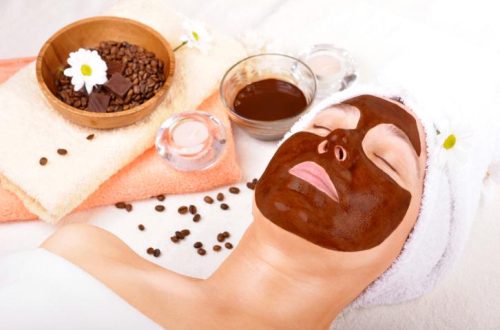
You don’t need a facial salon for good skincare, but it can make your skin feel smoother for a while. They can also be a relaxing treatment. A visit to the salon might include cleansing and exfoliation. Facials can cause allergic reactions or irritations in some people, so you should avoid them if you tend to have redness or breakouts afterward.
Am I too mature for acne, right?
You’re grown up, so why do you still have acne and blackheads? Hormones, hair products, and stress can be to blame, among other reasons. Your dermatologist or an aesthetician can help you figure out what your skin needs. Some products also contain ingredients that target acne and signs of aging.
Maintain your glow
Don’t smoke. It ages your skin and encourages wrinkles.
Eat plenty of fruits, vegetables, lean proteins, and whole grains.
Exercise every day. It helps your skin by increasing blood flow. Sweating also cleans out impurities.
Find ways to reduce stress. Stress can make your skin more sensitive and worsen breakouts.
Stay away from the sun. Get a fake tan if you want more color.