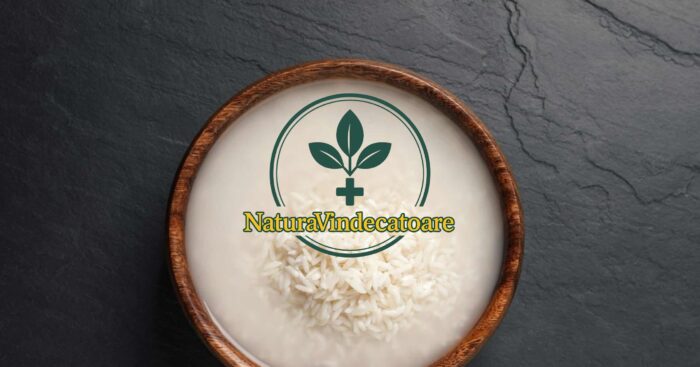
Rice water has been used for centuries in traditional medicine in Asia, as well as in various cultures in Latin America. Although it may seem like a simple liquid, it contains bioactive compounds that can support digestive health, hydration, immunity, and even skin beauty. In moderate amounts, rice water can become an effective remedy with scientifically demonstrated benefits.
Here’s what happens in your body when you drink water in which rice has been boiled:
8 Demonstrated Benefits of Rice Water
1. Deeply Hydrates the Body
Rice water contains natural electrolytes and simple carbohydrates that help restore fluid levels in the body. This is one of the most commonly used traditional methods in cases of mild to moderate dehydration, especially in tropical areas. Being easily absorbed by the body, it supports hydration more effectively than plain water under certain conditions. It is particularly useful in cases of diarrhea or vomiting, when essential minerals and fluids are lost. It can also be given to children, but with caution and under medical supervision.
2. Soothes Stomach Irritations and Diarrhea
Rice water is recognized as an effective remedy for diarrhea, gastritis, or reflux. It works by forming a protective layer over the stomach lining, reducing inflammation and irritation. At the same time, easily digestible carbohydrates provide energy without overloading the digestive system. It is often recommended in BRAT diets (bananas, rice, applesauce, toast), used in cases of digestive disturbances. Its effects are more pronounced when consumed warm and unsweetened.
3. Improves Digestion and Regulates Intestinal Transit
Regular consumption in moderate amounts can balance intestinal flora and stimulate the production of digestive enzymes. Soluble fibers from rice (even in small amounts) can nourish good bacteria in the gut. Additionally, it absorbs toxins and soothes cramps or bloating. It is particularly useful during recovery periods after food poisoning or gastroenteritis. Through its gentle and nourishing effect, it helps the body return to normal.
4. Contributes to Regulating Blood Pressure
Boiled rice releases a series of beneficial minerals into the water, including magnesium and potassium. These electrolytes can support the elasticity of blood vessels and regulate blood pressure. Studies show that a diet rich in potassium can reduce the risk of hypertension. Rice water provides an easily absorbable source of such nutrients, especially when consumed twice a day. It should not be considered a standalone treatment but rather a natural supplement that supports cardiovascular health.
5. Boosts Immunity
Rice water contains natural antioxidants and amino acids that support the production of immune cells. Specifically, L-arginine and glycine can aid the body’s natural defense. Being a gentle liquid without irritants, it is suitable during convalescence. It is often recommended in Ayurvedic medicine for cases of weakness, colds, or flu. Regular consumption can reduce the frequency of minor infections.
6. Supports Skin Health
In some cultures, rice water is consumed or applied externally to reduce skin inflammation, acne, or dermatitis. It contains inositol, a compound that can stimulate skin cell regeneration. Additionally, it has a soothing effect and reduces redness or irritation caused by sun exposure. When consumed internally, it helps the skin through detoxification and hydration. It is a key ingredient in skincare routines in Asia, especially in Japan and Korea.
7. May Reduce Mild Fever
Drinking warm, slightly salted rice water is a popular remedy for reducing fever. It works through hydration and balancing blood sugar and electrolyte levels. In cases of fever caused by digestive or viral infections, it can support the body without overloading it. It can temporarily replace meals, providing energy in easily digestible forms. However, it should not replace medical treatment when necessary.
8. Helps Maintain a Healthy Weight
Being low in calories and free of fats, rice water can be an excellent substitute for sweet juices or calorie-laden drinks. Additionally, due to the starch it contains, it provides a lasting feeling of fullness. It can be useful in controlled weight loss diets when consumed before meals. It also stabilizes blood sugar and reduces sweet cravings by gradually releasing glucose. It may contribute to regulating metabolism and preventing compulsive eating.
Important Study: Rice-Based Oral Rehydration Therapy for Diarrhea
A study published in Pediatric Infectious Disease Journal analyzed the effectiveness of rice water as an oral rehydration therapy in patients with acute diarrhea. Researchers compared two groups: one treated with standard rehydration solution and the other with rice water. The results showed that the group treated with rice water experienced a faster decrease in stool frequency and more effective rehydration. The explanation lies in the ability of rice starch to stimulate sodium and water absorption at the intestinal level.
Additionally, the study noted that rice water was better tolerated by patients, with fewer episodes of nausea and vomiting. Another advantage is the increased availability of ingredients—rice is cheap and accessible in all corners of the world. The authors concluded that this method could be recommended more often in mild to moderate cases of dehydration. Further studies, including those published by the World Health Organization, support the use of rice water in impoverished areas as a safe and effective alternative method. Researchers emphasized the importance of thoroughly cooking the rice and avoiding additives in the water (sugar or flavors) to not compromise the beneficial effects.
Contraindications and Precautions
- People with diabetes should consume rice water with caution, as it contains soluble starch that can affect blood sugar levels.
- In the case of low-carb diets, rice water is not recommended for regular consumption.
- It is not indicated in cases of active irritable bowel syndrome, as it may worsen bloating.
- It does not replace hydration with plain water and can be consumed only as a supplement.
- It is contraindicated to consume rice water left at room temperature for more than 2 hours, as it may ferment and become toxic.
Nutritional Information (for 250 ml of plain, not excessively boiled rice water)
| Component | Estimated Amount |
|---|---|
| Carbohydrates | 10-12 g |
| Glucose and maltose | 4-5 g |
| Proteins | 0.5-1 g |
| Electrolytes (K, Na) | 10-30 mg |
| Soluble fibers | 0.2 g |
| Calories | 45-60 kcal |
Sources:
- Pediatric Infectious Disease Journal Rice-based oral rehydration therapy for diarrhea




