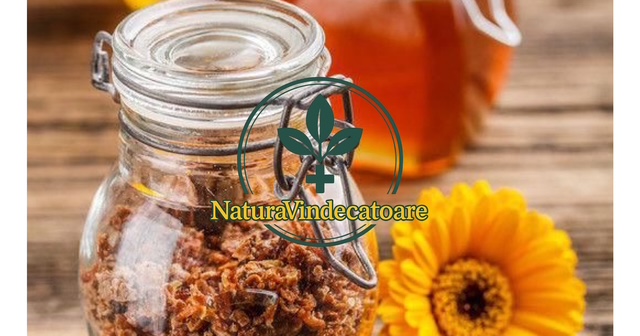
Propolis tincture is one of the most well-known and appreciated bee remedies, used for centuries to strengthen the immune system and treat various infections. Preparing it at home is relatively simple, but to preserve all its properties, it is important to follow a few essential rules. In this article, you will discover how to correctly prepare propolis tincture, its scientifically proven benefits, and in what situations it is contraindicated. Additionally, you will find a complete recipe, usage instructions, and storage tips.
Benefits
1. Supports the Immune System
Propolis tincture is recognized for its immunostimulatory properties. The flavonoids, phenolic acids, and aromatic esters in its composition help the body fight more effectively against bacteria, viruses, and fungi. By stimulating macrophage activity, propolis increases the body’s ability to eliminate pathogens. It is especially useful during the cold season when the risk of respiratory infections is higher. Additionally, it contributes to reducing inflammation in the body, maintaining immune balance.
2. Aids in Healing Wounds and Burns
When applied externally, propolis tincture accelerates the healing process. It contains compounds with antibacterial and antifungal action that prevent wound infections. It also stimulates cell regeneration and reduces local inflammation. It is often used in the treatment of superficial wounds, scratches, minor burns, or oral ulcers. Propolis is effective against antibiotic-resistant bacteria, such as Staphylococcus aureus.
3. Combats Respiratory Infections
Propolis tincture is often used as an adjunct in the treatment of throat infections, sinusitis, pharyngitis, or bronchitis. Through its antiviral and antibacterial action, it helps reduce inflammation and soothe irritated mucous membranes. It is especially effective in the early stages of colds or flu. Sublingual administration or combining it with honey can enhance its therapeutic effect. Some studies suggest it reduces the duration and severity of symptoms in viral infections.
4. Has Strong Antioxidant Effects
Propolis contains over 300 active compounds, many of which have antioxidant effects. It helps neutralize free radicals, which can cause cellular damage and premature aging. By protecting cells, the tincture contributes to the prevention of chronic conditions such as cardiovascular or degenerative diseases. Its antioxidant effect is comparable to that of vitamins C and E. It is a natural source of protection against oxidative stress.
5. May Help with Gastrointestinal Issues
Propolis tincture is used as a complementary remedy for gastritis, colitis, and gastric ulcers. It has anti-inflammatory and antibacterial properties that protect the gastric mucosa and aid in its regeneration. Additionally, it helps restore intestinal flora in cases of infections or after antibiotic treatments. Some research suggests beneficial effects against Helicobacter pylori bacteria. It is important to respect the dosage and administer it cautiously to sensitive individuals.
Scientific Studies and Research
Study Published in Oxidative Medicine and Cellular Longevity (2022)
A study published in 2022 analyzed the effects of propolis on inflammation and oxidative stress at the cellular level. Researchers found that propolis has a significant anti-inflammatory action by inhibiting the expression of pro-inflammatory factors such as TNF-α and IL-6. Concurrently, a reduction in oxidative stress markers was observed, indicating propolis’s ability to protect cells from damage caused by free radicals.
Tests were conducted both in vitro (on human cells) and in vivo (on animals). In both cases, propolis tincture demonstrated a remarkable ability to reduce inflammation without negatively affecting other physiological functions. Researchers highlighted the therapeutic potential of propolis in chronic inflammatory conditions. They also emphasized the need for larger clinical studies to validate these effects. The conclusion of the study is that propolis plays an important role in supporting cellular health and the immune system.
Recipe: How to Prepare Propolis Tincture
Ingredients:
- 20 g of pure (solid, crushed) propolis
- 100 ml of 70% food-grade ethyl alcohol
- Dark glass jar
Preparation Method:
- Grate or finely crush the propolis.
- Place it in a glass jar and pour the alcohol over it.
- Seal tightly and let it macerate for 14 days, shaking daily.
- After 14 days, filter through double cheesecloth.
- Store in a dark glass bottle, in a cool and dark place.
Usage Instructions
- Internally: 20-30 drops diluted in water or tea, 2-3 times a day.
- Externally: applied locally on wounds, burns, or acne.
- For the throat: 10 drops in honey or directly on a spoon.
- For children: only with medical advice, starting from the age of 3, and in much-reduced doses.
Contraindications
- Allergy to bee products (honey, pollen, beeswax).
- Individuals with advanced liver conditions; the alcohol in the tincture may worsen symptoms.
- Not to be administered during pregnancy or breastfeeding without medical advice.
- Not recommended in conjunction with anticoagulant or immunosuppressive treatments.
- Excessive consumption is not recommended as it may cause irritation of the gastric mucosa.
Nutritional Table (estimated for 10 ml of propolis tincture)
| Component | Approximate Amount |
|---|---|
| Total Flavonoids | 20-30 mg |
| Phenolic Acids | 10-15 mg |
| Ethanol (alcohol) | 7 ml |
| Calories | 40 kcal |
| Other Active Substances | Esters, terpenes, natural waxes |




