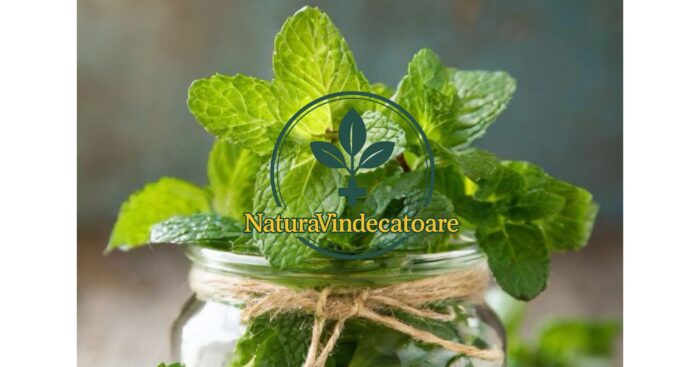
Mint leaves are known for their refreshing aroma, but few realize that they can become a true ally in supporting digestion. Used since ancient times in Greek and Ayurvedic medicine, mint has calming properties on the gastrointestinal tract, helping to reduce abdominal discomfort, bloating, and nausea. Here’s how you can use this simple plant to support digestion in a natural and effective way.
Benefits of Mint Leaves for Digestion
1. Relaxation of Intestinal Muscles
The volatile oils in mint, especially menthol, have an antispasmodic effect. They act on the smooth muscles of the intestines, reducing painful contractions. This action can be particularly useful in irritable bowel syndrome, cramps, or slow digestion.
In a study published in Alimentary Pharmacology & Therapeutics (2014), peppermint oil administered in enteric-coated capsules significantly reduced abdominal pain and bloating in patients with irritable bowel syndrome.
2. Stimulation of Bile and Digestive Juices
Mint stimulates bile secretion, which helps in the digestion of fats. At the same time, it increases the production of gastric juices, facilitating the digestive process after rich meals.
According to research in the Journal of Gastroenterology, patients who consumed peppermint tea after meals experienced shorter digestion times and more efficient nutrient absorption.
3. Combating Bloating and Flatulence
Mint leaves reduce intestinal fermentation and gas production. This is due to their carminative effect, which helps to naturally eliminate gas and reduce abdominal pressure.
A study conducted in Germany on 120 people with functional dyspepsia showed that peppermint extract, combined with cumin, significantly reduced bloating and the feeling of fullness after meals.
4. Prevention of Acid Reflux (in small doses)
Consumed in moderation, mint can soothe the gastric mucosa and reduce hyperacidity. However, in large quantities, it may relax the esophageal sphincter, which could promote reflux in some individuals.
According to a study in Digestive Diseases and Sciences (2016), small doses of peppermint tea consumed after meals had a protective gastric effect in individuals with difficult digestion without promoting reflux.
5. Alleviation of Nausea and Vomiting
Mint is traditionally used to combat nausea, especially during pregnancy or after heavy meals. The cooling effect of menthol soothes the stomach and reduces the urge to vomit.
A study conducted in Iran on pregnant women showed that inhalations with peppermint essential oil reduced morning sickness by up to 44%.
Ways to Use Mint Leaves for Digestion
1. Peppermint Tea (Classic Infusion)
- Ingredients: 1 tablespoon of dried mint leaves (or 5-6 fresh leaves), 250 ml hot water
- Preparation: Pour boiling water over the leaves and let steep for 10 minutes. Strain and drink warm.
- When to consume: After meals, 2-3 times a day.
2. Mint and Lemon Infused Water
- Ingredients: 1 liter of water, 10 fresh mint leaves, 4 slices of lemon
- Preparation: Let the ingredients infuse in the refrigerator for 2-3 hours.
- When to consume: Throughout the day, especially after heavy meals.
3. Chewing Fresh Leaves
- Chewing 2-3 fresh mint leaves after meals can stimulate saliva and digestion.
- This simple act also contributes to freshening breath.
4. Dried Leaf Powder
- Dried leaves can be ground and stored in a jar. They can be added to smoothies or yogurts (1/2 teaspoon).
- This can enhance digestion and reduce the feeling of bloating.
Contraindications and Precautions
- Severe gastroesophageal reflux – In advanced cases, mint may worsen symptoms.
- Children under 3 years – Peppermint essential oil is not recommended.
- Individuals with gallbladder stones – Stimulation of bile may trigger colic.
- Allergies to plants in the Lamiaceae family – Rare adverse reactions may occur.
- Large doses of essential oil – May cause headaches, nausea, or dizziness.
Nutritional Table (Fresh Mint Leaves – 100 g)
| Nutrient | Amount |
|---|---|
| Calories | 44 kcal |
| Fiber | 6.8 g |
| Vitamin C | 13.3 mg |
| Iron | 5.1 mg |
| Calcium | 199 mg |
| Potassium | 458 mg |
| Vitamin A | 4248 IU |
| Folate | 114 µg |
Conclusion
Using mint leaves for digestion is one of the simplest and most effective natural methods to support gastrointestinal health. Peppermint tea, chewed fresh leaves, or mint-infused water can become valuable daily habits for those dealing with bloating, cramps, or slow digestion. However, it is important to respect the dosages and consider possible contraindications.
Sources:
- Alimentary Pharmacology & Therapeutics – Peppermint oil for irritable bowel syndrome
- Journal of Gastroenterology – Effects of peppermint tea on gastrointestinal motility
- Digestive Diseases and Sciences – Mint tea and gastric acid regulation
- Iranian Red Crescent Medical Journal – Effect of Aromatherapy with Peppermint Oil on Nausea
- National Institutes of Health – Peppermint (Mentha piperita)




