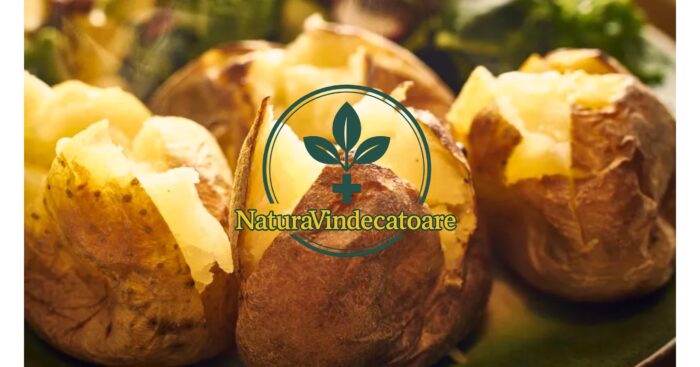
Boiled potatoes with skin are one of the simplest and healthiest food choices, often overlooked. Although many prefer to peel potatoes before boiling, their skin is a true nutritional treasure, with scientifically proven benefits. Consuming boiled potatoes with their skin can bring significant advantages for health, especially when prepared without added fats and frying.
Benefits of Consuming Boiled Potatoes with Skin
1. Increased Fiber Intake
Boiled potatoes with skin provide a much higher amount of dietary fiber than when peeled. The skin contains insoluble fiber that helps maintain regular bowel transit and prevents constipation. Fiber also contributes to regulating blood sugar levels, preventing sharp spikes in glycemia. This effect is especially important for people with diabetes or metabolic syndrome. Additionally, the fiber in the skin offers a long-lasting feeling of fullness, making it useful in weight loss diets.
2. High Antioxidant Content
The skin of the potato is rich in antioxidants, particularly phenolic compounds and flavonoids. These compounds help combat oxidative stress, a major factor in the onset of chronic diseases. Antioxidants in potatoes act against free radicals, protecting cells from premature aging and degeneration. It has been found that most of these beneficial substances are located in the outer layer of the potato, i.e., the skin. Therefore, removing the skin means losing a significant part of its protective potential.
3. Supports Heart Health
Boiled potatoes with skin provide significant amounts of potassium, an essential mineral for blood pressure balance. Potassium helps relax blood vessels and counteracts the harmful effects of excess sodium. Regular consumption of potassium-rich foods can reduce the risk of hypertension and cardiovascular diseases. The skin helps retain potassium during boiling and prevents its loss in water. Moreover, boiled potatoes with skin contain no unhealthy fats, making them an ideal option for a healthy heart.
4. Helps Maintain Weight Control
Due to their high fiber and resistant starch content, boiled potatoes with skin quickly induce a feeling of fullness. Resistant starch is a form of carbohydrate that is not fully digested in the small intestine, contributing to better blood sugar control and reduced appetite. Furthermore, boiled potatoes with skin have a low caloric intake compared to fried or other forms of preparation. By including them in the daily menu, one can support a balanced diet and weight control. They are an excellent choice for snacks or main meals in weight loss diets.
5. Improves Digestion
The fiber in potato skin stimulates peristaltic activity and contributes to efficient digestion. Additionally, the resistant starch in boiled potatoes acts as a prebiotic, nourishing beneficial bacteria in the gut. This helps maintain a healthy gut microbiome, essential for immunity, nutrient absorption, and inflammation prevention. Regular consumption can reduce the risk of irritable bowel syndrome and other digestive disorders. Boiled potatoes with skin are easy to digest and well-tolerated even by individuals with gastric sensitivity.
What Studies Say About Boiled Potatoes with Skin
A study published in the Journal of Agricultural and Food Chemistry (2017) analyzed the nutritional composition of potato skin compared to the flesh. Researchers found that up to 50% of the total antioxidants are found in the skin, especially in the colored varieties of potatoes (red or purple). These antioxidants demonstrated anti-inflammatory and protective activity on cellular DNA in vitro tests.
Another research conducted at the University of Scranton (USA) showed that potato skin contains significant levels of chlorogenic acid, a compound that reduces glucose absorption and has antioxidant effects. The study included human subjects and showed that those who consumed boiled potatoes with skin had better glycemic control than those who consumed them without skin.
In an article published in Nutrition & Metabolism (2020), researchers investigated the effects of resistant starch on gut flora. It was concluded that the resistant starch from boiled potatoes (cooled afterward) promotes the growth of probiotic bacteria such as Bifidobacterium and Lactobacillus. This could explain the beneficial effects on digestion and metabolism.
Additionally, research conducted in Finland identified the presence of natural antibacterial compounds in potato skin, such as solanine (in small amounts), which may contribute to the body’s immunity. These effects should be analyzed with caution, as solanine becomes toxic at high concentrations; therefore, green or sprouted potatoes should be avoided.
All these studies converge on the idea that keeping the skin during boiling conserves nutrients, improves digestion, reduces the risk of metabolic diseases, and supports overall health.
Contraindications and Precautions
- Green or sprouted potatoes should not be consumed, as they contain solanine, a toxic substance.
- Individuals with kidney conditions should avoid excessive consumption of potatoes due to their potassium content.
- It is not recommended to consume potatoes with unwashed skin, as they may be treated with pesticides.
- In the case of very strict diets with carbohydrate restrictions (such as ketogenic diets), potatoes should be consumed in moderation.
- Individuals with rare potato allergies should avoid this food in any form.
Nutritional Table (100g Boiled Potato with Skin)
| Nutrient | Approximate Value |
|---|---|
| Calories | 87 kcal |
| Carbohydrates | 20 g |
| Fiber | 2.2 g |
| Protein | 1.9 g |
| Fats | 0.1 g |
| Potassium | 379 mg |
| Vitamin C | 9.1 mg |
| Vitamin B6 | 0.3 mg |
| Iron | 0.3 mg |
| Magnesium | 20 mg |




