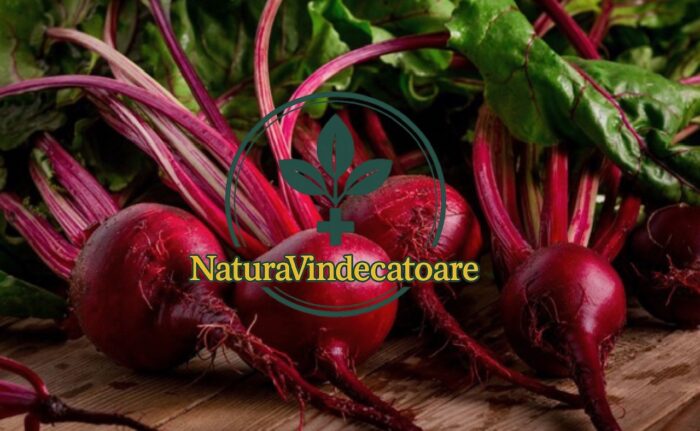
Raw beetroot is one of the most powerful vegetables for detoxifying the body, regulating blood pressure, and supporting liver health. Although it is often consumed cooked or roasted, the raw form retains the maximum concentration of nutrients, enzymes, and antioxidants. In this article, you will discover why you should incorporate raw beetroot into your daily diet and how it can positively influence your health.
Benefits of Consuming Raw Beetroot
1. Helps Regulate Blood Pressure
Raw beetroot is an exceptional source of natural nitrates. In the body, these are converted into nitric oxide, which dilates blood vessels and improves circulation.
Daily consumption of raw beetroot can contribute to a natural reduction in blood pressure values.
A study published in the Hypertension Journal showed that raw beetroot juice reduced blood pressure by up to 10 mmHg a few hours after consumption.
This effect is valid only for beetroot consumed raw or as fresh juice, not for cooked beetroot.
People with hypertension reported significant improvement after just 1-2 weeks of daily consumption.
2. Supports Liver Function
Raw beetroot contains betaine, a compound that protects the liver from fat accumulation and supports the elimination of toxins.
Betaine stimulates the activity of hepatocytes and helps restore cells affected by alcohol, medications, or an unbalanced diet.
It also contributes to reducing inflammation in liver tissue.
Regular consumption of raw beetroot is recommended for people with fatty liver, hepatic steatosis, or after undergoing treatment with hepatotoxic medications.
Beetroot also helps regulate homocysteine levels, a risk factor for liver and cardiovascular diseases.
3. Boosts Immunity and Fights Infections
Due to its high content of vitamin C, iron, zinc, and anthocyanins, raw beetroot has strong antioxidant and anti-inflammatory effects.
These compounds strengthen the immune system, increasing the body’s resistance to viral, bacterial, and fungal infections.
Beetroot also contributes to the regeneration of immune cells and balances the intestinal flora, which plays a key role in the body’s natural defense.
Daily consumption of raw beetroot can reduce the duration of colds and flu episodes.
Moreover, the red pigments (betacyanins) have demonstrated antimicrobial effects in recent studies.
4. Improves Digestion and Relieves Constipation
Raw beetroot is rich in insoluble fiber, which stimulates intestinal transit and helps detoxify the colon.
The fibers create volume in the intestines, absorb toxins, and facilitate their elimination.
Beetroot stimulates the secretion of gastric and bile juices, promoting efficient digestion.
It is recommended for people with slow digestion, bloating, or chronic constipation.
Consuming raw beetroot in the form of salad, juice, or as a raw snack can prevent the occurrence of hemorrhoids and diverticulitis.
5. Increases Energy Levels and Physical Performance
Raw beetroot is one of the few vegetables capable of enhancing athletic performance by increasing oxygen delivery to muscles.
This is due to the natural nitrates, which improve the efficiency of mitochondria, the energy factories of cells.
A study published in the Journal of Applied Physiology showed that athletes who consumed raw beetroot juice were able to endure longer during exertion and had better muscle oxygenation.
Additionally, beetroot aids in post-exercise recovery by providing potassium and magnesium.
It is ideal for athletes but also for active individuals during periods of fatigue or overexertion.
6. Detoxifies the Blood and Supports Vascular Health
The pigments in raw beetroot (betacyanins) support the elimination of heavy metals and toxins from the blood.
These compounds protect endothelial cells that line blood vessels, reducing the risk of inflammation and the formation of atheromatous plaques.
Beetroot stimulates the production of red blood cells due to its iron content and combats anemia.
Additionally, it contributes to maintaining optimal cholesterol and triglyceride levels.
It is recommended in detoxification regimens to support circulation and prevent cardiovascular diseases.
Nutritional Table (100g Raw Beetroot)
| Nutrient | Amount |
|---|---|
| Calories | 43 kcal |
| Carbohydrates | 9.6 g |
| Sugars | 6.8 g |
| Fiber | 2.8 g |
| Protein | 1.6 g |
| Fats | 0.1 g |
| Vitamin C | 4.9 mg |
| Folic Acid (B9) | 109 µg |
| Iron | 0.8 mg |
| Potassium | 325 mg |
| Magnesium | 23 mg |
| Betacyanins | ~17 mg |
Contraindications and Precautions
- People with oxalic lithiasis (calcium oxalate kidney stones) should avoid excessive consumption of raw beetroot, as it contains oxalates.
- Diabetics should monitor their intake, as beetroot has a natural sugar content.
- It may color urine or stool red, a benign phenomenon called beeturia, which can be confused with blood but is not dangerous.
- In rare cases, it may cause bloating or digestive discomfort in sensitive individuals.
- Avoid combining with high doses of iron supplements to prevent overloading the liver.
Relevant Studies and Research
A study published in the journal Hypertension (2015) showed that participants who consumed 250 ml of raw beetroot juice daily experienced a significant decrease in both systolic and diastolic blood pressure within 24 hours.
The authors concluded that the effect is due to the rapid conversion of nitrates to nitric oxide.
In addition to lowering blood pressure, improvements in endothelial function and blood vessel flexibility were also observed.
The study included individuals with untreated hypertension, making it relevant for natural prevention.
The results were supported by biochemical analyses that confirmed increased plasma nitrate levels after beetroot juice administration.
This study was a starting point for numerous subsequent research efforts regarding the efficacy of plant nitrates.
Later studies expanded the effects to athletes, patients with cardiovascular diseases, and the elderly.
The general conclusion is that raw beetroot can have pharmacological effects comparable to some antihypertensive medications, without side effects.
However, the effects disappear within 24-48 hours if regular consumption is not continued.
Daily consumption in its raw state is essential for maintaining the beneficial effect.




