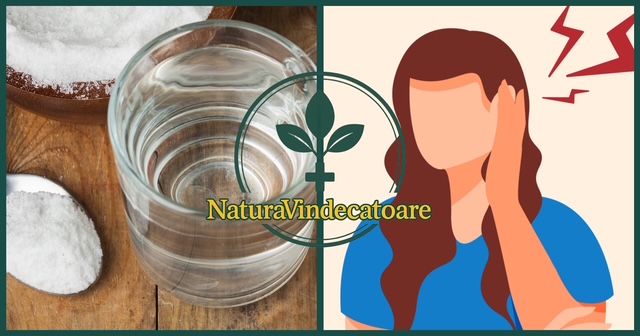
The sensation of a blocked ear can be caused by earwax (cerumen) buildup, minor infections, allergies, or changes in atmospheric pressure. In many cases, this issue can lead to discomfort, temporary hearing loss, and even headaches. Among natural remedies, saline water is recognized for its ability to soften earwax, reduce inflammation, and clean the ear canal. Using a properly prepared saline solution can be a gentle and effective method with low risk, provided it is applied correctly and in the absence of serious conditions. ENT doctors often recommend saline solutions for ear hygiene, especially as a first option before invasive treatments.
Benefits of Saline Water for Blocked Ears
1. Softens Earwax Buildup
Saline water helps hydrate and soften accumulated earwax, facilitating its natural removal. Salt attracts moisture and helps break down solid particles in the blockage. A warm saline solution can be introduced with a dropper or special syringe, left for a few minutes, and then expelled by tilting the head. This method has been used for a long time in medical offices but can also be done at home with caution. It is particularly useful when the earwax is dry and compacted.
2. Reduces Pressure Sensation in the Ear
The pressure felt in the ear can be caused by earwax blockage or mild inflammation. Saline water helps balance pressure by cleaning the canal and removing excess fluids. The procedure can provide quick relief, especially if the sensation is caused by a partial obstruction. Additionally, the warm solution helps relax tissues and soothe discomfort. This action is especially appreciated in cases of blocked ears after swimming.
3. Natural Antiseptic Effect
Salt is known for its antimicrobial properties, reducing the risk of bacterial growth. When applied as a saline solution, it helps maintain a clean environment in the external ear canal. This can prevent the worsening of irritation or the onset of external otitis. It does not replace medical treatment but can support the healing process. Proper use reduces the risk of bacteria developing in earwax accumulations.
4. Helps Clean Residues After Swimming
Water from pools or the sea can leave particles, bacteria, or chlorine in the ear. A saline solution can be used to gently rinse the ear canal after swimming. This procedure prevents infections caused by prolonged moisture. In particular, individuals with a history of external otitis can benefit from this method. Immediate cleaning prevents the sensation of a blocked ear.
5. Reduces Discomfort Caused by Allergies
Allergies can cause inflammation and mucus buildup in the nasal and ear areas. A saline solution applied in the ear can help eliminate excess fluids and soothe irritation. It can also be used alongside saline nasal sprays for a more comprehensive effect. This is especially useful during pollen season or in dusty environments. The ears remain clean and less sensitive.
6. Improves Overall Ear Hygiene
Using saline water periodically, but not excessively, can keep the ear canal clean. It is a gentler alternative to cotton swabs, which can push wax deeper. The procedure helps maintain ear health and prevent discomfort. However, it is important not to use it daily without a doctor’s recommendation. Proper hygiene reduces the need for frequent medical interventions.
7. May Support Healing of Minor Injuries
In the case of minor scratches in the ear canal, saline solution can clean the area and prevent infection. This effect is possible due to the antiseptic properties of salt. Saline water should not be used if there is severe pain or suspicion of a perforated eardrum. When applied correctly, it helps eliminate impurities and bacteria. Healing can be faster in hygienic conditions.
8. Accessible and Easy to Prepare Method
Saline water is an inexpensive remedy that is easy to make at home with common ingredients. It does not require complicated equipment and can be used in a few minutes. It is an option available to anyone, provided safety instructions are followed. Proper preparation avoids irritation and maximizes the desired effect. Thus, it can be considered a first step before visiting a doctor.
Studies and Research
Several studies in the ENT field have evaluated the effectiveness of saline solutions in ear hygiene. A study published in the International Journal of Pediatric Otorhinolaryngology showed that saline irrigation can improve earwax removal compared to simply waiting for natural detachment. Researchers found that patients who used the solution for a few days reported a faster decrease in the sensation of blockage. It was also observed that warm saline is more effective than room temperature solutions. The method was well tolerated, with very few side effects.
Another study, published in the British Medical Journal, compared several solutions for ear cleaning, including plain water, saline solution, and commercial products. The results showed that saline solution has comparable effectiveness to pharmaceutical products but at much lower costs. Doctors emphasized that this method is safe for most patients, provided there is no eardrum perforation. Its use can reduce the need for mechanical interventions.
Preparation and Usage Instructions
- Boil 250 ml of water for 5 minutes for sterilization, then let it cool to body temperature.
- Add 1 tablespoon of non-iodized salt and mix until completely dissolved.
- Use a dropper or special syringe for ears.
- Tilt your head, introduce a few drops, and let it sit for 2-3 minutes.
- Tilt your head the other way to let the liquid drain out.
- Repeat once a day for 2-3 days if needed.
Contraindications
- Eardrum perforation
- Severe acute ear pain
- Active middle or outer ear infection
- History of ear surgeries
- Allergy to salt (rare, but possible in cases of extremely sensitive skin)
- Ear with purulent drainage
Sources
- International Journal of Pediatric Otorhinolaryngology The effectiveness of saline irrigation in earwax removal
- British Medical Journal Comparison of solutions for earwax removal
- Mayo Clinic Ear irrigation and safety guidelines




