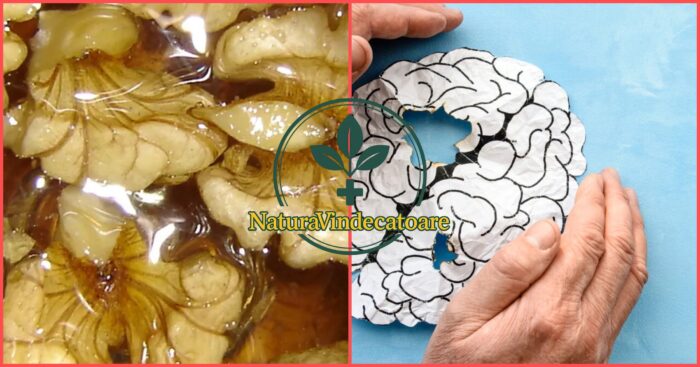
Honey and walnuts have been considered true superfoods for centuries due to their rich content of essential nutrients and beneficial properties for health. When combined, they form a natural source of energy, support cognitive functions, and contribute to maintaining heart health and the immune system. In traditional practices, this mixture was recommended for those needing physical strength and mental clarity, and modern research confirms its positive effects on the body.
Benefits
1. Improvement of Memory and Concentration
Regular consumption of honey with ground walnuts provides the brain with the glucose necessary for optimal functioning and Omega-3 fatty acids, which help protect nerve cells. These nutrients support the formation of neural connections and improve the transmission of nerve signals. The polyphenols in walnuts have antioxidant effects, reducing oxidative stress in brain tissue, which can prevent cognitive decline. Honey, with its flavonoid content, stimulates brain oxygenation, and when combined with walnuts, offers a synergistic effect on learning and memory capacity. Studies show that this combination can also be beneficial in preventing neurodegenerative diseases.
2. Increased Energy Levels
Honey contains natural sugars (fructose and glucose) that are quickly absorbed, providing an immediate energy boost. Walnuts, on the other hand, release energy gradually due to their healthy fats and protein content. This combination ensures a constant source of vitality throughout the day, preventing sudden energy crashes. Athletes often use it before exertion to enhance physical endurance. It is also a useful remedy during periods of chronic fatigue or convalescence.
3. Support for Heart Health
Walnuts are recognized for their ability to reduce LDL (bad) cholesterol and increase HDL (good) cholesterol. This effect is enhanced by the antioxidants in honey, which prevent the oxidation of fats in the blood. Regular consumption can help reduce inflammation in blood vessels and improve arterial elasticity. Additionally, the unsaturated fatty acids in walnuts help prevent the formation of atheromatous plaques. Thus, the honey-walnut combination supports a healthy cardiovascular system.
4. Strengthening the Immune System
Honey has antimicrobial and antiviral properties due to its enzymes and bioactive compounds. Walnuts provide important amounts of zinc, selenium, and vitamin E, minerals and vitamins directly involved in the body’s defense. Together, these foods stimulate the production of antibodies and protect the body against seasonal infections. Daily consumption can reduce the risk of respiratory viruses and support recovery after illness.
5. Strong Antioxidant Effect
Both honey and walnuts contain polyphenols and flavonoids, substances that play an important role in neutralizing free radicals. These are responsible for premature aging of cells and the onset of chronic diseases. Protecting the body against oxidative stress reduces the risk of cardiovascular diseases, cancer, or macular degeneration. Regular consumption can also support skin health, keeping it firm and hydrated.
6. Supporting Digestive Health
Honey helps maintain a balanced intestinal microbiome by stimulating the growth of beneficial bacteria. Walnuts add dietary fiber, which improves intestinal transit and prevents constipation. The combination is easily digestible and can help alleviate inflammation in the digestive tract. Additionally, the anti-inflammatory properties contribute to protecting the gastric mucosa.
7. Improving Sleep Quality
Walnuts are a natural source of melatonin, the hormone responsible for regulating the sleep-wake cycle. Honey helps increase serotonin levels, which is then converted into melatonin. Thus, moderate consumption in the evening can promote deeper and more restful sleep. This combination can be useful for individuals with mild insomnia or sleep disturbances caused by stress.
8. Supporting Bone Health
Walnuts contain magnesium, phosphorus, and calcium—essential minerals for bone density. Honey aids in the absorption of these minerals and supports joint health. Regular consumption can be beneficial in preventing osteoporosis, especially in older individuals. The antioxidants in this combination also protect cartilage tissue from degradation.
Relevant Studies and Research
Study 1: Published in Journal of Nutrition (2014), the research analyzed the effect of daily walnut consumption on cognitive functions in individuals over 60 years old. The results showed a significant improvement in memory and information processing speed after 8 weeks. The authors concluded that Omega-3 fatty acids and polyphenols in walnuts have a protective role on neurons, reducing the risk of cognitive decline associated with aging. The study also highlighted the positive effect of walnuts on mood due to their influence on neurotransmitters.
Study 2: In Food Chemistry (2016), researchers investigated the antioxidant properties of honey and the effect of its combination with walnuts. The results showed that the mixture has a greater antioxidant capacity than each ingredient separately, due to the synergy of bioactive compounds. Additionally, daily consumption for 4 weeks reduced levels of inflammatory markers in the blood. The authors concluded that this mixture could be useful in preventing cardiovascular and neurodegenerative diseases.
Study 3: In Journal of Agricultural and Food Chemistry (2018), it was demonstrated that honey contains over 180 beneficial compounds, including enzymes, amino acids, and vitamins, which contribute to maintaining the health of the immune system. When combined with walnuts, the absorption of these compounds is optimized due to the healthy fats that facilitate the transport of fat-soluble vitamins.
Recipe
Ingredients:
- 200 g fresh ground walnuts
- 200 g raw honey, preferably polyfloral or from acacia
Preparation Method:
- Finely grind the walnuts using a blender or grinder.
- Mix in a glass jar with honey until a homogeneous paste is obtained.
- Store at room temperature, away from light.
Consumption Method
- Adults: 1 tablespoon in the morning, on an empty stomach.
- Children over 3 years: 1 teaspoon in the morning.
- Can be added to yogurt, oatmeal, or smoothies.
Contraindications
- Individuals allergic to walnuts or honey.
- Diabetics: only with a doctor’s approval, due to sugar content.
- Avoid in cases of severe obesity or strict calorie-restricted diets.
- Not to be given to children under 1 year old due to the risk of infant botulism.
Sources
- Journal of Nutrition Walnut Consumption and Cognitive Performance in Older Adults
- Food Chemistry Synergistic Antioxidant Effects of Honey and Nuts
- Journal of Agricultural and Food Chemistry Bioactive Compounds in Honey and Their Absorption




