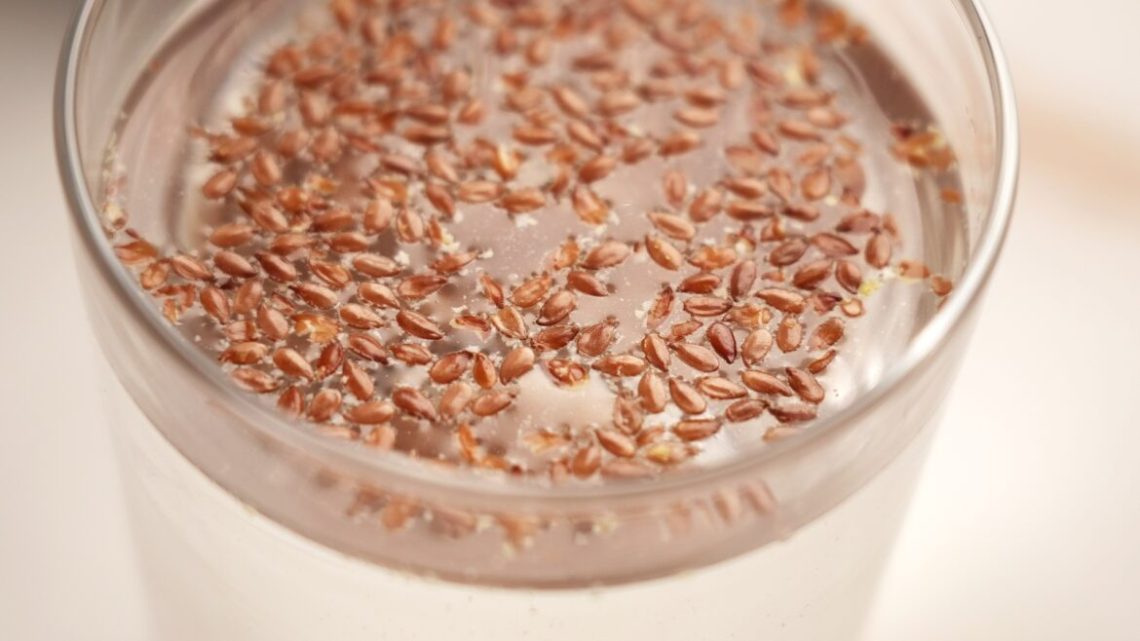
In a world where more and more people are facing digestive discomfort, bloating, or abdominal pain, a simple and inexpensive drink can become a true natural soother: warm flaxseed infusion. Although flaxseeds are known for their fiber and omega-3 content, few realize that the drink obtained by hydrating them can bring direct benefits to those with irritable bowel syndrome. This old but forgotten method soothes the intestinal lining, reduces spasms, and helps regulate digestion.
Benefits
1. Soothes Inflammation of the Intestinal Lining
The gel formed from flaxseeds, when in contact with warm water, creates a mucilaginous substance that gently coats the walls of the intestines. This protective layer helps calm the irritated lining, providing a soothing effect on inflamed areas. In the case of irritable bowel syndrome, where inflammation can occur episodically, this drink acts as a natural barrier against irritations caused by food or stress. Regular consumption can significantly reduce the frequency and intensity of cramps. The calming effect appears after just a few days of consumption.
2. Regulates Intestinal Transit
Due to its high soluble fiber content, flaxseeds support the balance between diarrhea and constipation, both common symptoms in irritable bowel syndrome. Soluble fibers form a gel that cleans the intestines, helping to eliminate waste and maintain normal transit. At the same time, it acts as a prebiotic, nourishing the good bacteria in the gut. Daily consumption can contribute to normalizing bowel movements without irritating the colon. It is a gentle yet effective solution for regulating digestion.
3. Reduces Cramps and Spasms
One of the most unpleasant symptoms of irritable bowel syndrome is the occurrence of cramps. The mucilage formed from flaxseeds has mild antispasmodic properties that reduce intestinal muscle contractions. The calming effect is largely due to the hydration of tissues and lubrication of the intestinal walls. By reducing the frequency of involuntary contractions, pain and discomfort are diminished. People who have consumed this drink have reported noticeable relief after just a few days. It is a natural remedy without side effects when consumed correctly.
4. Intensely Hydrates the Digestive System
In cases of inflammation or digestive imbalance, hydration plays an essential role. Flaxseeds absorb water and form a protective gel that hydrates and softens the intestinal contents. This helps prevent constipation and reduces irritations. The gel moves slowly through the intestines, gently hydrating tissues and facilitating elimination. Internal hydration is often overlooked, but it has a major impact on reducing digestive symptoms. This drink provides a dual benefit: hydration and soothing.
5. Supports Gut Flora
The presence of mucilage in the intestines creates a favorable environment for the development of good bacteria. These play a crucial role in colon health, influencing digestion, immunity, and inflammation levels. Flaxseeds have a natural prebiotic effect, nourishing beneficial strains such as Lactobacillus and Bifidobacterium. A healthy balance of gut flora can reduce episodes of diarrhea and bloating. Thus, the flaxseed drink not only soothes symptoms but also addresses one of the underlying causes of irritable bowel syndrome.
Studies and Research
A study published in World Journal of Gastroenterology (2012) analyzed the effect of daily flaxseed consumption on patients with irritable bowel syndrome. Participants consumed 6 grams of flaxseeds per day for 4 weeks. The results showed a significant reduction in abdominal pain, bloating, and an improvement in bowel frequency. The authors attributed this effect to the mucilage, which has soothing properties and regulates transit.
Another study, published in British Journal of Nutrition (2015), evaluated the impact of flaxseed mucilage on intestinal inflammation. It was observed that the bioactive substances in flax reduced the expression of inflammatory markers (IL-6, TNF-alpha), which explains the beneficial effect on irritable bowel syndrome. Additionally, the study showed that flaxseeds have the ability to restore the balance of gut flora, favoring beneficial strains.
In a research study from Phytotherapy Research (2014), flaxseed extract was tested for its effects on intestinal motility. It was found to reduce spasms of the smooth intestinal muscles, which may explain the decrease in cramps and pain. The study also demonstrated a mild protective action on the intestinal lining under conditions of oxidative stress.
All these studies support the use of warm flaxseed drink in digestive disorders such as irritable bowel syndrome, providing a safe and natural alternative to conventional treatments.
Contraindications
- Intestinal Blockages: Flaxseeds absorb a lot of water, and in cases of stenosis or intestinal obstruction, they can worsen the problem.
- Active Crohn’s Disease: In acute phases, mucilage can irritate the inflamed lining.
- Allergy to Flaxseeds: Rare but possible reactions, including rashes, irritations, or breathing difficulties.
- Anticoagulant Medications: Flaxseeds may have a mild anticoagulant effect, so they should be avoided or consumed with caution.
- Excessive Consumption: Excessive intake (over 2 tablespoons per day) can lead to bloating or abdominal discomfort.
How to Prepare Warm Flaxseed Drink
Ingredients:
- 1 tablespoon whole flaxseeds (preferably whole, not ground)
- 250 ml boiling water
Preparation:
- Place the flaxseeds in a cup.
- Pour hot water over them.
- Cover and let steep for 15-20 minutes.
- Drink the liquid warm.
It is recommended to consume 1 cup per day, in the morning on an empty stomach or in the evening before bedtime.
Why Whole Seeds?
When flaxseeds are whole, they gradually release a mucilaginous substance (gel) when placed in warm water. This mucilage is essential in calming irritable bowel syndrome because:
- Adheres to the intestinal lining, protecting it from irritations.
- Lubricates the digestive tract, aiding in smoother transit.
- Acts as a prebiotic, nourishing good bacteria.
- Regulates transit, without aggressive laxative effects.
If Using Ground Seeds:
- They oxidize faster (and lose their properties).
- They do not form effective mucilage (the gel mixes into the pulp and loses its internal coating effect).
- They are better for other types of use (e.g., mixed in porridge, yogurt, smoothies, etc.), but are not as effective for this drink intended for the colon.
Sources:
- World Journal of Gastroenterology Flaxseed consumption and IBS symptoms: a clinical trial
- British Journal of Nutrition Effect of flaxseed mucilage on intestinal inflammation and microbiota
- Phytotherapy Research Antispasmodic and mucosal protective effects of Linum usitatissimum extract




