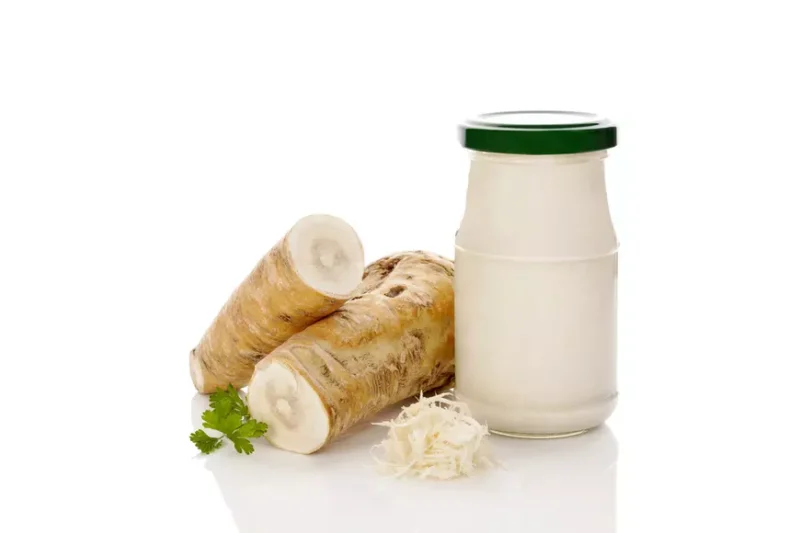
At first glance, the mixture of grated horseradish and warm milk may seem like an unusual recipe, but this combination has been known since ancient times as an effective natural remedy for persistent coughs and pulmonary congestion. In folk medicine from Central and Eastern Europe, this remedy is especially used during the cold season, being appreciated for its rapid effect on the respiratory tract.
How to Prepare Milk with Horseradish
Ingredients:
- 1 cup of milk (preferably whole or warm plant-based milk, but not hot)
- 1 tablespoon of freshly grated horseradish
Preparation method:
Add the grated horseradish to the warm milk and let it steep for 5-10 minutes. Strain and consume the preparation while it is still warm, preferably in the evening before bedtime.
This remedy can be consumed for 3-5 consecutive days to soothe the cough.
Benefits of the Warm Milk + Horseradish Combination
1. Soothes Dry and Irritating Coughs
Horseradish contains sulfur compounds with mild antibiotic and expectorant effects. These contribute to thinning mucus in the throat and bronchi. Combined with warm milk, which hydrates and soothes the irritated mucosa, the antitussive effect is amplified. Consumed in the evening, milk with horseradish reduces the number of nighttime coughing fits and improves sleep quality.
2. Has Expectorant Effects and Helps Eliminate Mucus
Glucosinolates and isothiocyanates in horseradish have been studied for their action in stimulating bronchial secretions. Warm milk acts as a vehicle that helps transport these substances deep into the respiratory tract, mobilizing thick mucus and facilitating expectoration.
3. Fights Bacteria That Can Cause Respiratory Infections
According to research, horseradish has antibacterial effects due to its volatile compounds, similar to those found in garlic and onion. Combined with warm milk, which does not destroy the active properties of horseradish (as long as it is not hot), this mixture can act as a natural form of prevention against mild respiratory infections.
4. Has Anti-Inflammatory Effects on Irritated Throat
Warm milk is known for its ability to soothe throat irritations. In tandem with horseradish, which reduces mucosal inflammation, the combination proves effective in cases of laryngitis or pharyngitis. Horseradish helps reduce local inflammation by stimulating circulation and increasing blood flow to the affected area.
5. Helps Decongest Sinuses
Inhaling vapors released by horseradish is traditionally used to open sinuses. In liquid form, horseradish ingested with milk has a similar effect, relieving nasal congestion and reducing pressure in the sinuses. It is especially useful in cases of acute sinusitis accompanied by cough.
What Do Studies Say?
A study published in Phytotherapy Research (2015) analyzed the antimicrobial potential of horseradish root extracts. Researchers found that isothiocyanates, bioactive compounds present in horseradish, inhibit the growth of the common pathogens Streptococcus pyogenes and Staphylococcus aureus involved in respiratory infections.
Another study, published in Journal of Medicinal Food (2018), investigated the anti-inflammatory effect of sulfur compounds from cruciferous vegetables (including horseradish). The results showed that these compounds reduce the production of inflammatory cytokines and can soothe the mucosa of the upper respiratory tract.
In 2013, German researchers evaluated the effectiveness of a syrup based on horseradish and honey in alleviating cough symptoms in children and adults. The study, conducted at the University of Freiburg, found a significant reduction in the frequency and intensity of cough after 3 days of administration.
All this data supports the use of horseradish as a natural adjunct in minor respiratory infections, especially when combined with milk.
Contraindications and Precautions
- People with gastric ulcers, gastritis, or gastroesophageal reflux should avoid this remedy, as horseradish is irritating to the gastric mucosa.
- Pregnant or breastfeeding women should not consume horseradish in large quantities, as there is insufficient data regarding safety.
- Children under 5 years old may experience digestive or allergic reactions, so it is recommended only with a doctor’s approval.
- It may interact with anti-inflammatory or anticoagulant medications.
- Avoid daily consumption for long periods. This remedy is intended for short-term treatment (3-5 days).
Approximate Nutritional Values (for one serving)
| Component | Estimated Amount |
|---|---|
| Calories | 150 kcal |
| Protein | 6 g |
| Carbohydrates | 11 g |
| Fats | 8 g |
| Fiber | 1 g |
| Vitamin C | 15 mg (25% DV) |
| Calcium | 250 mg (25% DV) |
| Potassium | 300 mg |




