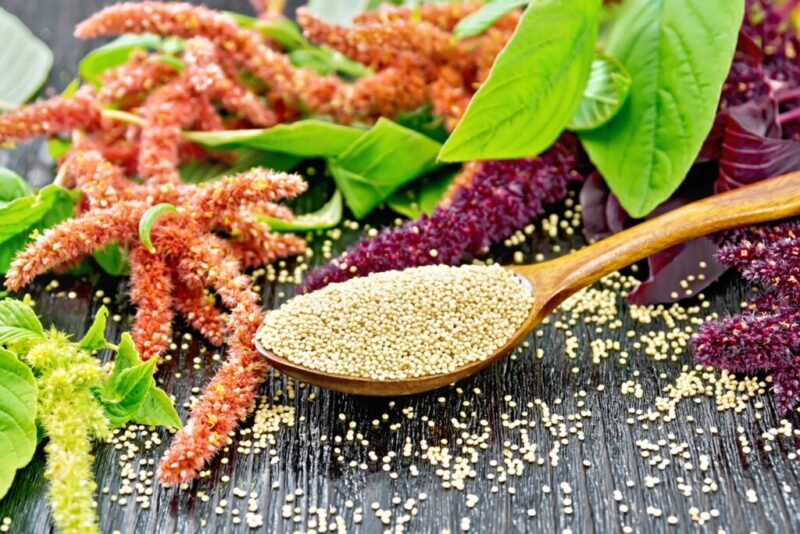
Amaranth (Amaranthus spp.), a plant used since ancient times in the diet of the Aztecs and Incas, has regained the attention of modern nutritionists due to its remarkable nutritional content. Its small, round seeds have a unique biological value, being rich in complete proteins, fiber, and essential minerals. Today, amaranth is considered a superfood due to its unique composition, capable of supporting the body’s health in multiple ways. In addition to its nutritional qualities, recent studies have confirmed significant therapeutic effects, making it a valuable food for both prevention and support for chronic conditions.
Nutritional Table (100 g of Amaranth Seeds, according to USDA)
| Nutrient | Amount | % DV* approximately |
|---|---|---|
| Calories | 371 kcal | 18% |
| Protein | 13.6 g | 27% |
| Total Fat | 7.0 g | 11% |
| Carbohydrates | 65.2 g | 22% |
| Fiber | 6.7 g | 27% |
| Calcium | 159 mg | 16% |
| Iron | 7.6 mg | 42% |
| Magnesium | 248 mg | 62% |
| Phosphorus | 557 mg | 80% |
| Potassium | 508 mg | 14% |
| Zinc | 2.9 mg | 26% |
| Vitamin B6 | 0.59 mg | 45% |
| Folic Acid | 82 µg | 21% |
*DV = Daily Value for an adult.
Benefits of Amaranth Seeds
1. Supports Cardiovascular Health
Amaranth seeds are an excellent source of magnesium, an essential mineral for relaxing blood vessels and regulating blood pressure. With their high fiber content, they help lower LDL cholesterol levels, preventing the formation of atheromatous plaques. The amino acid lysine in their composition supports the repair of vascular tissues and maintains arterial elasticity. Studies show that regular inclusion of amaranth in the diet reduces inflammation at the vascular endothelium level. Thus, consuming amaranth seeds can be a valuable aid in preventing heart diseases.
2. Improves Digestion and Gut Health
Insoluble fibers in amaranth seeds stimulate intestinal transit and prevent constipation. At the same time, soluble fibers nourish beneficial gut bacteria, contributing to maintaining a balanced flora. By regulating sugar absorption, the seeds can reduce the risk of sudden spikes in blood sugar after meals. The healthy fatty acids in their composition help lubricate the intestinal mucosa, preventing irritation. Regular consumption of amaranth supports the integrity of the mucosa and prevents digestive inflammation.
3. Protects Bones and Joints
The high content of calcium, magnesium, and phosphorus makes amaranth seeds a powerful ally for bone health. Calcium and phosphorus work together for bone mineralization, while magnesium optimizes their absorption. The complete proteins in amaranth support collagen synthesis, an essential component of bone tissue. Studies indicate that adequate intake of these minerals reduces the risk of osteoporosis. Additionally, the intake of lysine helps in the fixation of calcium in the bone structure.
4. Supports the Immune System
Amaranth seeds are rich in zinc, an essential mineral for the production of white blood cells and for activating defense-related enzymes. The vitamin B6 in their composition contributes to the synthesis of neurotransmitters involved in regulating the immune response. High-quality proteins support antibody formation, while iron prevents anemia, which can weaken immunity. Regular consumption of amaranth can accelerate recovery after infections. Additionally, the antioxidant content helps neutralize free radicals that can weaken the body’s defenses.
5. Maintains Muscle Health and Increases Muscle Mass
Amaranth is one of the few pseudocereals that provides all essential amino acids, including lysine and methionine, necessary for muscle tissue repair. Athletes can benefit from its natural protein content, which supports recovery after intense effort. The magnesium in its composition helps prevent muscle cramps. Phosphorus supports energy metabolism, helping muscles function optimally. Additionally, the plant proteins in amaranth are easily digestible and well absorbed.
6. Aids in Weight Control
The fibers in amaranth seeds induce a feeling of fullness for a longer time, reducing the need for snacking between meals. Proteins support an active metabolism, contributing to fat burning. Studies show that low glycemic index foods, such as amaranth, can prevent food cravings and energy fluctuations. Regular consumption helps regulate blood sugar and insulin levels, key factors in weight control. Thus, amaranth can be included in diets for weight loss or maintenance.
7. Contributes to Skin Health
Zinc and vitamin B6 in amaranth seeds support faster healing of skin lesions and maintain healthy skin. Complete proteins aid in the formation of collagen and elastin. Antioxidants protect skin cells from degradation caused by free radicals. Iron prevents skin pallor and gives a healthy appearance. Magnesium helps reduce skin inflammation.
8. Provides Support in Blood Sugar Control
Due to their high fiber and protein content, amaranth seeds release energy gradually, preventing blood sugar spikes. Studies on patients with type 2 diabetes have shown improved insulin sensitivity after regular inclusion of amaranth in the diet. Minerals such as magnesium contribute to glucose metabolism. Consuming this food can reduce insulin resistance. Additionally, amaranth is gluten-free, making it suitable for individuals with celiac disease.
Studies and Research
- Amaranth Grain and Health Benefits – Journal of Food Science and Technology (2017)
The study analyzed the chemical composition of amaranth and its impact on cardiovascular health, demonstrating a reduction in LDL cholesterol and an increase in HDL after 4 weeks of consumption. The authors highlighted the role of phytosterols and soluble fibers in reducing cholesterol absorption. The research included 125 participants aged between 35-65 years, divided into two groups. The group that consumed 50 g of amaranth seeds daily showed an average reduction in total cholesterol of 13%. The study also emphasized the anti-inflammatory effect by reducing the level of C-reactive protein. The results confirm the utility of amaranth in preventing cardiovascular diseases. Additionally, the authors noted the absence of significant adverse effects during the study period. - Nutritional and Functional Properties of Amaranth – Food Chemistry (2020)
This study investigated the protein profile and its impact on muscle mass. The analysis demonstrated that the proteins in amaranth have a digestibility of over 90%, with a high score of essential amino acids. The study was conducted on performance athletes over a period of 8 weeks. The group that consumed amaranth showed a significant increase in endurance and a reduction in recovery time after workouts. The authors concluded that amaranth can be an effective alternative to protein supplements. Additionally, the magnesium content contributed to reducing muscle cramps. The study recommends daily consumption for optimal effects.
Contraindications
- Individuals with kidney stones or at risk of kidney stones should avoid excessive consumption, as amaranth contains oxalates.
- In case of allergies to seeds or pseudocereals, consumption should be avoided.
- Patients with hypotension should be cautious, as amaranth may lower blood pressure.
- Individuals with severe digestive issues should gradually introduce amaranth into their diet due to its high fiber content.
- Pregnant and breastfeeding women should consult a doctor before consuming it in large quantities.
Sources
- Journal of Food Science and Technology – Amaranth Grain and Health Benefits
- Food Chemistry – Nutritional and Functional Properties of Amaranth
- USDA – Amaranth grain, uncooked – Nutrient database




