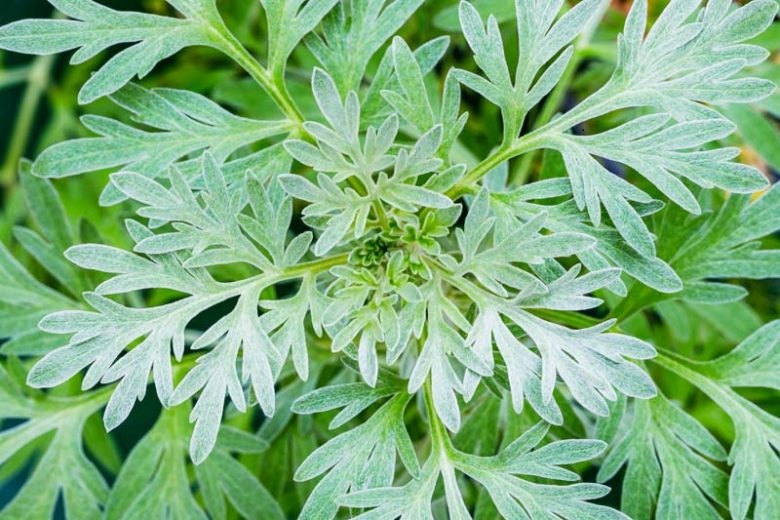
Wormwood (Artemisia absinthium) is one of the oldest medicinal plants used in Europe and Asia, known for its bitter taste and detoxifying properties. Although it is appreciated for its beneficial effects on digestion, liver function, and the cleansing of the body from parasites, wormwood has a very clear limit between therapeutic and toxic doses. The high concentration of thujone, an active compound in wormwood, can become dangerous for the nervous system if the recommended amount is exceeded. Therefore, the use of wormwood must be carefully dosed and followed for a limited period to benefit from its detoxifying effects without the risk of toxicity.
Major Benefits of Wormwood
1. Support in Detoxifying the Body
Wormwood stimulates liver and gallbladder function, promoting the elimination of toxins through bile and supporting metabolism. Its bitterness activates taste receptors, leading to increased secretion of digestive enzymes, aiding in food processing and the elimination of metabolic waste. Detoxification through wormwood is especially effective in cases of slow digestion or after periods of a diet rich in fats and sugars. This effect is supported by clinical observations, where patients who underwent short courses of wormwood showed improvement in liver function. However, effectiveness is closely linked to adherence to the correct dosage.
2. Stimulation of Appetite
The bitter substances in wormwood act directly on the gastric mucosa, provoking the secretion of gastric juices and preparing the stomach for digestion. This effect is useful in cases of loss of appetite, convalescence, or digestive disorders related to stress. Phytotherapeutic studies show that bitter plants, including wormwood, can increase the feeling of hunger in patients with insufficient food intake. Its action is rapid, occurring within a few minutes after administering the infusion. However, administration should only be done in short courses to avoid gastric irritation.
3. Antiparasitic Effect
Wormwood has been known for centuries as a remedy against intestinal parasites, especially pinworms and giardia. Thujone and other active substances in wormwood create an unfavorable environment for the development of parasites, disrupting their metabolism. Phytotherapists recommend combining wormwood with other antiparasitic plants, such as cloves and pumpkin seeds, for a synergistic effect. In vitro studies have demonstrated the inhibition of intestinal parasites in the presence of wormwood extracts. However, high doses can also affect beneficial intestinal flora.
4. Support for Slow Digestion
By stimulating digestive secretions, wormwood accelerates the digestive process, reducing the feeling of heaviness after meals. It is recommended in cases of dyspepsia, bloating, and flatulence. The mechanism involves activation of the vagus nerve and increased blood flow to the stomach, improving nutrient absorption. Patients who used wormwood in tea form before meals reported a decrease in abdominal discomfort. However, administration on an empty stomach in individuals with ulcers may worsen symptoms.
5. Anti-inflammatory Effect on the Liver
Wormwood contains phenolic compounds with anti-inflammatory action, protecting liver cells from oxidative stress. In animal studies, wormwood extract reduced liver inflammation induced by toxic substances. This effect is important in preventing liver degeneration and supporting cellular regeneration. Phytotherapists consider wormwood useful in purification courses after exposure to alcohol, medications, or pollutants. However, it is important that these courses are short and closely monitored.
6. Regulation of Intestinal Transit
By stimulating digestive secretions and intestinal motility, wormwood can help with both mild constipation and difficult digestion. Its bitter action increases the tone of the smooth muscles in the intestines, promoting the elimination of food residues. Regular but limited consumption can prevent the accumulation of toxins in the colon. Excessive administration, however, can cause diarrhea and intestinal irritation.
7. Support for the Immune System
Through its detoxifying and anti-inflammatory effects, wormwood indirectly contributes to increasing the body’s resistance. The elimination of toxins and the fight against parasites reduce the burden on the immune system, allowing it to function more efficiently. Some studies suggest that wormwood extracts may stimulate the production of leukocytes. These effects are especially useful during convalescence.
8. General Tonic Effect
Wormwood, through its bitter taste and complex action on digestion and metabolism, provides a general tonic effect on the body. Individuals who have undergone short courses have reported an increase in energy and well-being. This effect is due to both improved digestion and detoxification. However, prolonged use may cause adverse effects on the nervous system.
Studies and Research
Study 1 – Hepatoprotective Effects of Wormwood
A study conducted in 2022 by the University of Tehran analyzed the effects of wormwood extract on the liver affected by toxins. The research involved 60 patients with mild liver disorders, divided into two groups: one treated with standardized wormwood extract and the other with a placebo. After 8 weeks, the wormwood group showed a reduction in liver enzymes (ALT, AST) and an improvement in antioxidant markers. Researchers attributed these effects to phenolic compounds and thujone, which stimulate cellular regeneration. They emphasized, however, that the doses used were small and that excessive consumption could produce neurotoxic effects. The results confirm that wormwood can be useful in detoxifying and protecting the liver, but only in controlled quantities.
Study 2 – Antiparasitic Activity of Wormwood
In 2021, a study published in Parasitology International tested the effect of wormwood extracts on Giardia lamblia. In vitro tests showed that the active substances in wormwood inhibited the mobility and reproduction of the parasite within the first 48 hours. In the clinical phase, patients treated with wormwood extract for 5 days had a healing rate of over 80%. However, the authors warned that high doses could cause seizures and nervous disorders, emphasizing the importance of using it according to guidelines.
Correctly Dosed Wormwood Tea (Artemisia absinthium)
Ingredients:
- 1 tablespoon of dried wormwood (approx. 0.5 g)
- 250 ml boiling water
Preparation Method:
- Place the dried wormwood in a cup.
- Pour 250 ml of boiling water over it.
- Cover and let steep for 5 minutes (no longer!).
- Strain immediately and consume on an empty stomach, 15-20 minutes before meals, preferably in the morning or at lunch.
Duration of the Course:
- Maximum 7 consecutive days, once a day.
- After this period, take a break of at least 3 weeks.
- Long-term daily use is not recommended!
Important Precautions:
- The taste is very bitter – do not sweeten with sugar. If it is difficult to consume, a little mint can be added for flavor.
- Not to be administered to children under 12 years old.
- Do not combine with other supplements containing thujone or wormwood.
Contraindications
- Pregnant or breastfeeding women – thujone can cause uterine contractions.
- Individuals with epilepsy or other neurological disorders – thujone has neurotoxic effects in high doses.
- Patients with gastric or duodenal ulcers – the risk of irritation is increased.
- Prolonged use – may cause hallucinations, dizziness, and central nervous system impairment.
- Interactions with medications – may potentiate the effects of anticoagulants and hepatotoxic medications.
Sources:
- Journal of Ethnopharmacology – Hepatoprotective effects of Artemisia absinthium extract in patients with mild liver disorders
- Parasitology International – In vitro and clinical evaluation of Artemisia absinthium extracts against Giardia lamblia




