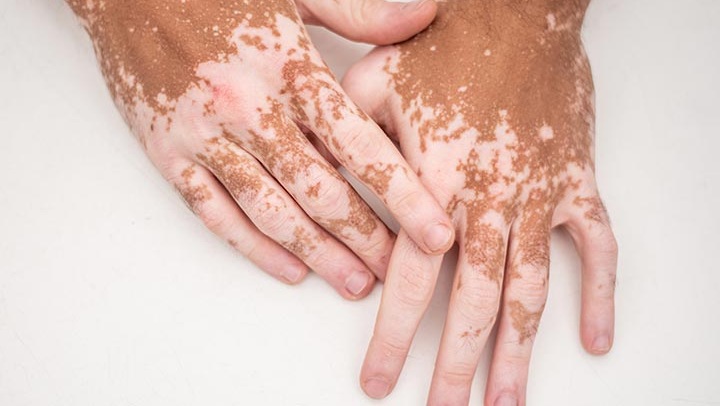
Vitiligo is a chronic skin condition characterized by the appearance of depigmented patches on the skin, caused by the destruction or dysfunction of melanocytes, the cells responsible for producing melanin. Although it is not contagious and does not pose a threat to life, vitiligo can have a significant impact on the quality of life, affecting self-esteem and the emotional well-being of the individual. In recent decades, research has advanced significantly, providing new explanations regarding the mechanisms of the disease and innovative treatments, both medical and natural.
Causes and Mechanism of Appearance
Vitiligo occurs when the immune system attacks its own melanocytes, a process known as autoimmunity. Contributing factors include:
- Genetic predisposition – approximately 30% of patients have relatives with autoimmune conditions.
- Triggering factors – severe stress, sunburns, skin trauma (Koebner phenomenon), viral infections.
- Oxidative imbalances – accumulation of free radicals that affect melanocytes.
- Association with other autoimmune diseases – Hashimoto’s thyroiditis, type 1 diabetes, alopecia areata.
Benefits and Therapeutic Options
1. Narrowband UVB Phototherapy (NB-UVB)
Narrowband UVB phototherapy is considered the standard treatment for repigmentation. UVB light stimulates the remaining melanocytes and stem cells in hair follicles, promoting their migration to depigmented areas. Studies show that 60-70% of patients can achieve significant repigmentation after 6-12 months of treatment. Additionally, combining phototherapy with immunomodulatory ointments increases efficacy. Adverse effects are minimal, but treatment requires careful medical monitoring.
2. Topical Corticosteroids
Applying topical corticosteroids reduces inflammation and the autoimmune response that destroys melanocytes. Used short-term, they can lead to repigmentation, especially in localized forms. Clinical studies show improvements in 50% of cases after 3-6 months. The major risk is skin atrophy if used excessively. This type of treatment is often combined with phototherapy for better results.
3. Calcineurin Inhibitors (tacrolimus, pimecrolimus)
These immunomodulatory ointments block the immune attack on melanocytes without the adverse effects of corticosteroids. They are useful in sensitive areas such as the face and groin. A study published in Journal of the American Academy of Dermatology reported significant repigmentation in 65% of patients after 6 months. They are well tolerated and can be used long-term. Results are better when combined with moderate sun exposure or phototherapy.
4. Antioxidant Supplements (vitamin C, vitamin E, zinc, selenium)
Vitiligo is associated with increased oxidative stress, and antioxidant supplements can protect melanocytes. Vitamin C neutralizes free radicals, vitamin E protects cell membranes, and zinc and selenium support antioxidant enzymes. Studies have shown that supplementation can increase the rate of repigmentation when associated with phototherapy. A diet rich in colorful fruits and vegetables (blueberries, pomegranates, spinach) is recommended. Excessive intake can have adverse effects, so dosages should be respected.
5. Ginkgo Biloba Extract
A study published in Clinical and Experimental Dermatology showed that administering 40 mg of Ginkgo biloba three times a day for 6 months halted disease progression and led to partial repigmentation in over 80% of patients. The plant has antioxidant and immunomodulatory effects. It is considered a safe option with minimal side effects but may interact with anticoagulant medications. Efficacy increases when combined with standard medical treatments.
6. Anti-inflammatory Diet
A diet that reduces inflammation can help stabilize the disease. This includes consuming fatty fish (omega-3), berries, green vegetables, and seeds. Excluding processed foods and sugar can reduce oxidative stress. Nutritional studies suggest that patients with vitiligo often have deficiencies in vitamin D, folate, and B12, and correcting these can improve treatment outcomes. The diet does not cure vitiligo but supports treatments.
Guideline Nutritional Table (Beneficial Diet in Vitiligo)
| Nutrient / Food | Recommended Daily Amount | Role in Vitiligo |
|---|---|---|
| Vitamin C (kiwi, citrus) | 75-90 mg | Powerful antioxidant, protects melanocytes |
| Vitamin E (olive oil, almonds) | 15 mg | Cell protection, reduces inflammation |
| Zinc (pumpkin seeds, nuts) | 8-11 mg | Cofactor for antioxidant enzymes |
| Selenium (Brazil nuts, fish) | 55 mcg | Supports glutathione peroxidase enzyme |
| Omega-3 (salmon, flaxseeds) | 1.1-1.6 g | Anti-inflammatory effect |
| Folate (spinach, lentils) | 400 mcg | Supports cell regeneration |
| Vitamin D (sun, fatty fish) | 600-800 IU | Regulates immunity |
Warnings:
- Avoid self-medication with strong corticosteroids due to the risk of skin thinning.
- Ginkgo biloba is contraindicated for individuals taking anticoagulants.
- Excessive sun exposure can cause burns in depigmented areas.
- Antioxidant supplements in high doses can cause mineral imbalances or drug interactions.
- Severe restrictive diets can worsen nutritional deficiencies.




