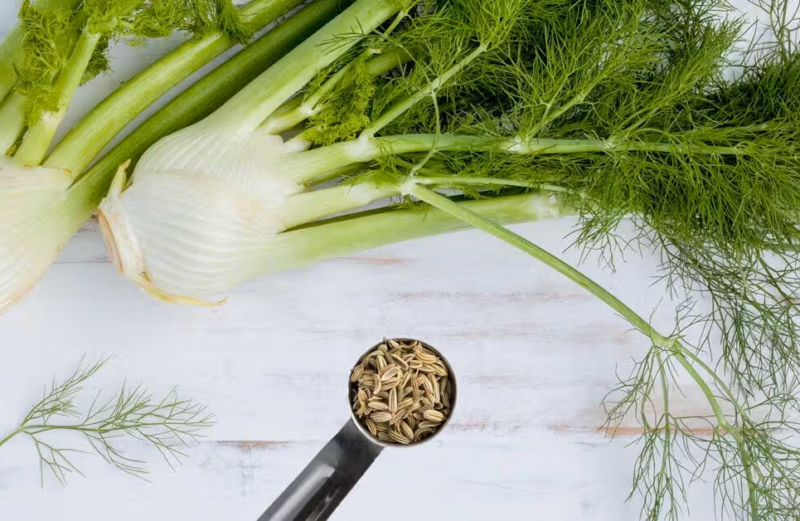
Fennel (Foeniculum vulgare) is an aromatic plant used since ancient times for the health of the digestive system. Its seeds, rich in essential oils and bioactive compounds, have a calming effect on the stomach, reduce bloating, and stimulate digestion. In folk medicine, fennel was often used after heavy meals to prevent abdominal discomfort. However, it is important to know that the method of preparation directly influences the effectiveness of the remedy. When made correctly, fennel seed tea or infusion can become a true natural ally for the stomach, intestines, and more.
Nutritional Table of Fennel Seeds
| Nutrient | Amount (per 100 g) | % Daily Value* Approx. |
|---|---|---|
| Calories | 345 kcal | 17% |
| Protein | 15.8 g | 32% |
| Total Fat | 14.9 g | 21% |
| Saturated Fat | 0.5 g | 2% |
| Monounsaturated Fat | 9.9 g | |
| Polyunsaturated Fat | 1.7 g | |
| Total Carbohydrates | 52.3 g | 19% |
| Dietary Fiber | 39.8 g | 159% |
| Sugars | 0 g | |
| Calcium | 1196 mg | 120% |
| Iron | 18.5 mg | 103% |
| Magnesium | 385 mg | 92% |
| Phosphorus | 487 mg | 70% |
| Potassium | 1694 mg | 36% |
| Sodium | 88 mg | 4% |
| Zinc | 3.7 mg | 34% |
| Vitamin C | 21 mg | 23% |
| Vitamin A | 135 IU | 3% |
| Vitamin B6 | 0.47 mg | 36% |
| Folate (B9) | 10 g | 3% |
Benefits
1. Soothing Digestive Spasms
Fennel seeds contain anethole and fenchone, two substances with antispasmodic effects that relax the smooth muscles of the stomach and intestines. This helps reduce acute cramps after heavy meals or in cases of irritable bowel syndrome. By relaxing the intestinal walls, food flow improves, and abdominal pain diminishes. Regular consumption can prevent the recurrence of spasms, maintaining comfortable intestinal transit. This effect is appreciated both in traditional medicine and by modern research.
2. Reducing Bloating and Gas
The volatile oils in fennel have a carminative effect, meaning they help eliminate gas accumulated in the intestines. This process reduces abdominal pressure and the feeling of fullness. Additionally, they stimulate peristaltic movements, accelerating the natural expulsion of air from the digestive tract. Consumed as an infusion, fennel can prevent recurrent bloating episodes. The effect is particularly noticeable after meals rich in carbohydrates or foods that ferment easily.
3. Stimulating Digestive Enzyme Secretion
Anethole from fennel seeds can increase the secretion of gastric juices and bile, improving the digestion of proteins and fats. This reduces the feeling of heaviness after meals and prevents food fermentation in the intestines. At the same time, faster digestion supports the optimal absorption of essential nutrients. People with slow digestion notice a clear difference after introducing fennel infusion into their diet. It is a natural support for daily digestive function.
4. Supporting Intestinal Transit
Fennel has a mild laxative effect due to its fiber and aromatic compounds. These stimulate the movement of food through the colon, reducing the risk of constipation. Additionally, its action is gentle and does not cause irritation, making it suitable for frequent use. Regular consumption can help maintain optimal transit without relying on chemical laxatives. It is especially recommended for individuals with a sedentary lifestyle.
5. Antioxidant and Anti-inflammatory Effects
Fennel seeds contain flavonoids and vitamin C, which play a role in combating oxidative stress and inflammation. These substances protect the cells of the digestive mucosa from free radicals. Over time, consuming fennel can help prevent inflammatory bowel diseases. Additionally, the antioxidant effect supports overall health and strengthens the immune system. This benefit extends beyond the digestive area, positively impacting the entire body.
6. Support for Liver Health
By stimulating bile secretion, fennel contributes to the natural detoxification of the liver. It helps process fats more efficiently and eliminate toxins. A well-functioning liver also supports proper digestion, preventing the feeling of heaviness after meals. The effect is amplified if the infusion is consumed before meals. Regular consumption can support liver regeneration within the limits of a balanced diet.
7. Galactagogue Effect (Stimulates Lactation)
Traditionally, fennel was used by nursing mothers to increase milk production. This effect is due to anethole, which can stimulate the hormones responsible for lactation. Although it is a popular remedy, its use should be done with medical approval, especially in the first weeks after birth. The infusion can improve the quality and quantity of breast milk. Additionally, it can soothe colic in infants through breast milk.
8. Maintaining Fresh Breath
Fennel seeds have a sweet-minty taste and contain essential oils with antibacterial effects. Chewing them after meals can neutralize bacteria that cause unpleasant breath. In India, this practice is common and is part of the culinary culture. Moreover, chewing stimulates saliva production, which helps maintain oral health. It is a simple, natural solution with no side effects.
Scientific Studies and Research
A study published in the Journal of Food Science and Technology demonstrated that fennel seed extract has significant antispasmodic properties, reducing the contractility of intestinal muscles. The research analyzed the effects of fennel on patients with irritable bowel syndrome, showing a visible reduction in pain and bloating after 30 days of regular consumption. The authors concluded that fennel acts both by relaxing smooth muscle and by reducing local inflammation. Another important aspect revealed was the very good tolerance of the remedy, with no notable adverse reactions.
In Phytotherapy Research, researchers analyzed the effects of fennel essential oil on digestion. The study showed that volatile substances stimulate the secretion of digestive enzymes and bile, improving fat digestion. This property is valuable in preventing dyspepsia and the feeling of heaviness after meals. Additionally, a beneficial effect on intestinal transit was noted, preventing constipation. Participants reported an overall improvement in digestive comfort within two weeks.
A study conducted in Iran on 100 nursing women showed that fennel infusion increased breast milk volume. The study, published in Breastfeeding Medicine, also showed an improvement in colic in infants. The explanation is related to the transfer of some active compounds into the milk, which have a calming effect on the child’s digestive system. However, this effect should be monitored medically to avoid potential allergic reactions in infants.
Recipe: How to Prepare It Correctly
Ingredients:
- 1 tablespoon (approx. 23 g) of fennel seeds
- 250 ml boiling water
Preparation Method:
- Lightly crush the seeds to release the volatile oils.
- Place them in a cup and pour boiling water over them.
- Cover and let steep for 10-15 minutes.
- Strain and consume warm, unsweetened or with a little honey, according to preference.
Dosage: 2-3 cups per day, before or after meals, depending on needs.
Contraindications
- Allergy to plants in the Apiaceae family (carrot, celery, parsley).
- Avoid during pregnancy, especially in the first trimester.
- Use with caution in children under 6 years old.
- Possible interactions with anticoagulant medications.
- Avoid in cases of epilepsy, as essential oils in high doses may stimulate the nervous system.




