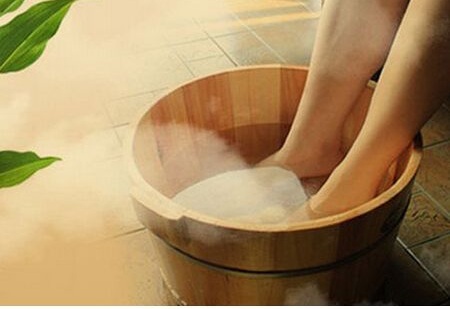
In traditional Romanian medicine, foot baths with oatmeal and salt have long been considered a valuable remedy for tired, swollen feet and poor circulation. These baths, seemingly simple, combine two accessible and natural ingredients with proven therapeutic effects over time.
Benefits of Oatmeal and Salt Foot Baths for Circulation and Swollen Feet
1. Stimulates blood circulation in the lower limbs
Warm water, combined with salt and oatmeal, causes local dilation of blood vessels, promoting better peripheral circulation. This process helps blood reach the tissues in the feet more easily, reducing the sensation of cold feet. In the long term, it may help prevent the formation of varicose veins or alleviate their symptoms.
2. Reduces swelling and water retention
Salt has an osmotic effect, which means it draws excess fluid from tissues, reducing edema. Especially for people who stand for long periods or have lymphatic issues, this combination is useful for reducing local inflammation and the feeling of tension in the calves and ankles.
3. Has a calming and relaxing effect on leg muscles
Oatmeal releases mucilage and emollient substances that penetrate through the open pores of warm water and relieve muscle tension. Combining these with salt alleviates pain and discomfort after a long day. This bath is recommended after prolonged walking or standing.
4. Detoxifies the skin and peripheral tissues
Coarse salt helps eliminate toxins through the skin, while oatmeal contains B vitamins and antioxidants that support cellular regeneration. Through the mild sweating induced by warm water, the body eliminates some of the accumulated toxins.
5. Softens the skin and alleviates calluses or cracks
The mucilage in oatmeal softens areas with rough skin, while salt has an exfoliating effect. This combination is particularly effective for caring for the feet, especially for individuals with cracked or hard skin. After the bath, the skin becomes softer, smoother, and more receptive to the application of ointments or lotions.
6. May alleviate mild rheumatic pain in the feet
The combination of heat, salt, and oatmeal has local anti-inflammatory effects, making it useful for alleviating pain caused by rheumatism or arthritis. When repeated regularly, this bath can become an effective part of a complementary regimen for treating chronic foot pain.
7. Improves sleep and reduces stress
A secondary but welcome effect is the overall relaxation induced by this bath. By stimulating the nerve endings in the feet, the body enters a state of calm, preparing for sleep. Individuals with insomnia may benefit from this routine in the evening.
8. May prevent nocturnal leg cramps
Oatmeal contains magnesium, and warm baths help absorb this mineral through the skin. Magnesium is essential for normal muscle function and can prevent painful spasms, especially at night.
How to Make a Foot Bath with Oatmeal and Salt: Traditional Recipe
Ingredients:
- 3-4 tablespoons of oatmeal (or a handful)
- 2 tablespoons of coarse salt (rock salt or sea salt)
- 3 liters of warm water (not hot)
Preparation Method:
- Pour warm water into a basin.
- Add the oatmeal and salt and mix well.
- Let it sit for 2-3 minutes for the oatmeal to release its active substances.
- Submerge your feet in the water and stay for 15-20 minutes.
- Finally, rinse your feet with clean water and optionally apply a moisturizing cream.
Recommended Frequency:
2-3 times a week, in the evening, especially after a demanding day or during hot weather.
Contraindications
- Individuals with open wounds, fungal infections, or injuries on their feet should avoid this bath until healing.
- Not recommended in cases of acute thrombophlebitis or other severe circulatory conditions without medical advice.
- Not recommended for individuals with severe hypotension, as warm water can dilate blood vessels and exacerbate low blood pressure.
- Caution for individuals with diabetes, who may have reduced sensitivity in their feet and risk burns if the water is too hot.
- Pregnant women should consult a doctor before frequent use.
Studies and Research
A study published in Journal of Integrative Medicine (2021) investigated the effects of foot baths containing salt and plant extracts on edema and peripheral circulation. Researchers observed that after 2 weeks of regular use, 74% of participants reported a significant reduction in edema, and 65% noted improvement in the sensation of heavy legs. These effects were mainly attributed to the osmotic and anti-inflammatory effects of salt and the calming effect of the added plants.
Another study published in Evidence-Based Complementary and Alternative Medicine (2022) tested the effectiveness of foot baths with natural ingredients (including oatmeal) for combating muscle cramps and leg pain. Results indicated that after 10 sessions, pain levels decreased by 40%, and sleep quality improved significantly in the group that underwent therapy with warm baths.
Additionally, according to research conducted by Kobe Women’s University (Japan), prolonged contact of the feet with warm salted water activates certain peripheral receptors and induces general relaxation, lowering cortisol levels (the stress hormone) and promoting deep sleep.
Sources:
- Journal of Integrative Medicine Effects of Foot Baths Containing Herbal Extracts and Salt on Leg Edema and Circulation
- Evidence-Based Complementary and Alternative Medicine Natural Foot Soaks as a Treatment for Muscle Cramps and Nocturnal Leg Pain
- Kobe Women’s University Study Footbath-Induced Relaxation and Its Effects on Sleep and Stress Levels




