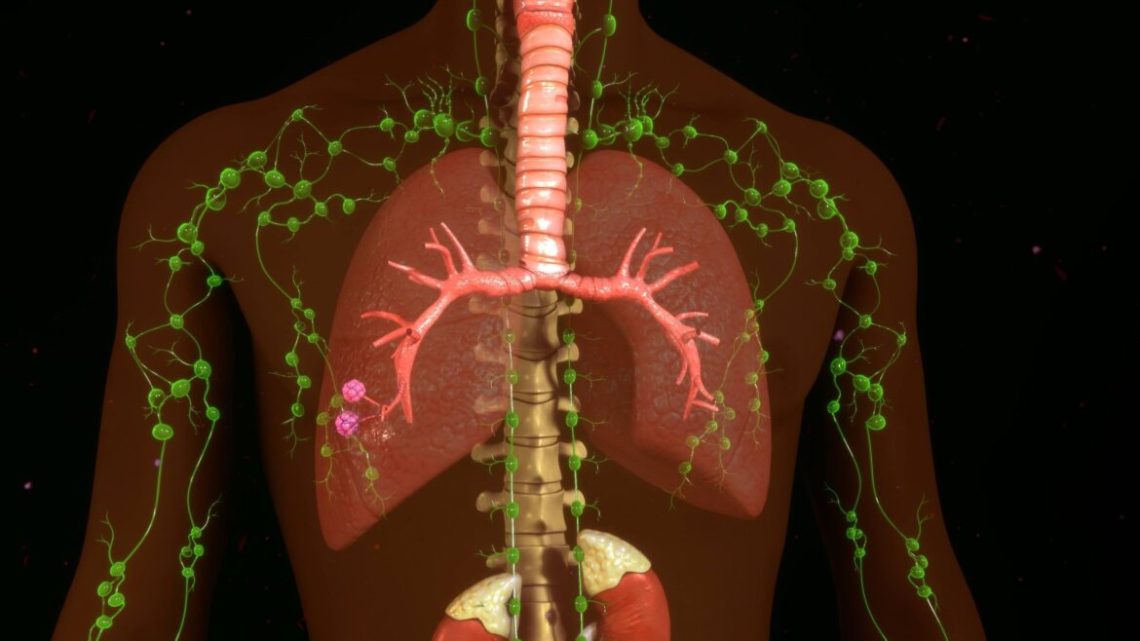
The lymphatic system is often overlooked, yet it plays a vital role in detoxifying the body, immunity, and maintaining a healthy fluid balance. Unlike the circulatory system, the lymphatic system does not have its own pump and relies on muscle movement, breathing, and external support, such as massage or the consumption of diuretic and lymphatic herbs. This article will show you how to naturally support the lymphatic system through gentle yet effective teas and proper lymphatic massage.
Benefits of Herbal Teas for the Lymphatic System
1. Stimulates Lymphatic Drainage
Certain herbs like burdock, red clover, and echinacea support lymph flow and contribute to the elimination of toxins from tissues. Teas made from these herbs stimulate the activity of lymphatic vessels, aiding in a deep cleansing of the body. By supporting drainage, the risk of cellular waste accumulation and inflammation of lymph nodes decreases. Additionally, effective drainage helps reduce water retention. This is an essential process for maintaining an active and functional immune system.
2. Reduces Chronic Inflammation
Anti-inflammatory herbs such as calendula, nettle, and dandelion reduce inflammation associated with lymphatic stagnation. Chronic inflammation weakens the lymphatic network, reducing its ability to filter pathogens. Anti-inflammatory teas help maintain healthy and permeable lymphatic vessels. These herbs also act on systemic inflammation, not just localized. By calming inflammatory processes, the body restores its natural detoxification capacity.
3. Supports Immunity by Activating Lymphocytes
The lymphatic system is essential for activating white blood cells (lymphocytes), and herbs like echinacea and elderberry stimulate this function. Teas from these herbs help the body produce defense cells more efficiently. This is particularly important during periods of increased risk of viral or bacterial infections. Regular consumption of such teas can reduce the duration of infections. They can also be used preventively in 7-10 day courses each month.
4. Combats Water Retention
Nettle, horsetail, and dandelion have gentle diuretic properties, helping to eliminate excess fluids from tissues. Stagnant lymph can contribute to edema, especially in the lower limbs. By supporting kidney function and eliminating excess water, these herbs indirectly support the lymphatic system. Diuretic teas are especially recommended in cases of swollen feet or a feeling of heaviness. A diuretic herbal regimen should be followed with adequate hydration to prevent electrolyte imbalances.
5. Improves Lymph Circulation in the Skin
Herbs like burdock root, red clover, and yarrow contribute to skin purification by eliminating lymphatic toxins. When lymph circulates properly, the skin appears clearer, firmer, and more radiant. Teas that support lymphatic circulation can be beneficial in cases of acne, eczema, or rashes. They also support cellular regeneration at the skin level. This benefit is often noticeable after just 2-3 weeks of consistent use.
Studies Supporting the Efficacy of Lymphatic Herbs
A study published in Journal of Herbal Pharmacotherapy investigated the effect of burdock root extract (Arctium lappa) on lymphatic function in patients with severe acne. Researchers observed a significant reduction in skin inflammation and edema after 6 weeks of administration. It was concluded that burdock promotes lymphatic drainage and skin healing by reducing the body’s toxic load.
Another study from Phytotherapy Research analyzed the effect of Trifolium pratense (red clover) on the lymphatic system and liver detoxification. Participants who consumed extracts for 4 weeks reported a reduction in bloating, water retention, and an overall improvement in vitality. Researchers noted a decrease in inflammatory markers in the blood, suggesting a reduction in systemic inflammation.
Echinacea was evaluated in a study published in Planta Medica for its immunostimulatory properties. Results showed activation of macrophages and T lymphocytes, with notable efficacy in preventing recurrent infections. The study highlighted its positive effect on the lymphatic network, especially at the level of the tonsils and lymph nodes.
Research conducted by the European Journal of Inflammation showed that dandelion (Taraxacum officinale) stimulates lymphatic drainage and prevents the accumulation of interstitial fluid. Administration in the form of infusion led to increased fluid elimination and a decrease in edema in the legs.
Another study was conducted by the University of Freiburg, focusing on horsetail. A decrease in inflammation and an increase in diuresis were observed in subjects with chronic retention. It was emphasized that the diuretic effect contributes to cleaner lymph and a more active immune system.
Tea Recipes for Lymphatic Drainage
Lymphodynamic Blend (for 1 cup):
- 1 tablespoon burdock root
- 1 tablespoon red clover
- 1 tablespoon dandelion
Mix the dried herbs well. Use 1 tablespoon of the blend in 250 ml of boiling water. Let it steep for 10 minutes, strain, and consume warm. You can drink 2 cups a day for 14 days.
Anti-inflammatory Lymphatic Infusion:
- 1 tablespoon calendula
- 1 tablespoon nettle
- 1 tablespoon yarrow
Prepare similarly, with 250 ml of boiling water, and consume 1-2 times a day.
Do not combine more than 3-4 herbs in a single blend. The regimen should be followed with breaks (14 days of treatment, 7 days of rest).
Lymphatic Massage: How to Do It Correctly
Lymphatic massage is a gentle yet highly effective method for stimulating lymph circulation. It is performed through slow, circular movements from the extremities towards the thoracic area.
- Start at the ankles and progressively move towards the thighs.
- The movements should be light, without excessive pressure.
- You can also massage the area of the lymph nodes (neck, armpits, groin).
- It is recommended to do this for 10-15 minutes daily.
- It is ideal after a warm shower when the skin is relaxed.
You can use an oil with juniper or rosemary extract, which also supports detoxification. This massage is especially beneficial for sedentary individuals, those with edema, or impaired lymphatic circulation.
Contraindications
- Individuals with kidney diseases should not consume diuretic herbs without medical approval.
- Pregnant women should avoid red clover, dandelion, or echinacea due to possible hormonal effects.
- Patients with autoimmune diseases (e.g., lupus, multiple sclerosis) should be cautious with immunostimulatory herbs.
- Lymphatic massage is contraindicated in cases of acute infections, severe heart failure, or thrombosis.
- Prolonged use of herbs without breaks can lead to adverse effects or dehydration.




