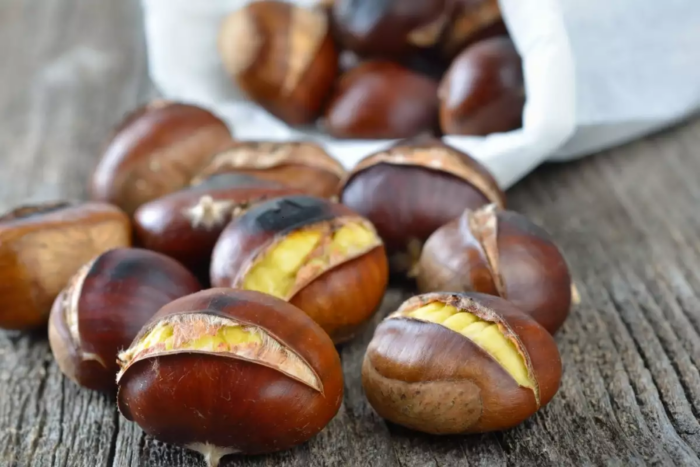
Chestnut peels, often discarded and overlooked, hide a true treasure of active substances that can support vascular health, especially for those dealing with varicose veins, heavy legs, or poor peripheral circulation. This old remedy, though rarely used today, is gaining attention from researchers and herbalists due to its compounds with anti-inflammatory, vasoprotective, and venotonic effects.
Benefits of Chestnut Peel Tea
1. Improves Peripheral Circulation
Chestnut peels contain escin, a complex of saponins with beneficial effects on the walls of blood vessels. This increases venous tone and reduces capillary permeability, helping blood to circulate more easily through veins affected by stagnation. Regular consumption of chestnut peel tea can diminish the feeling of heavy and tired legs, especially in warm seasons.
2. Reduces Venous Inflammation
Chronic inflammation of the venous walls is a common cause of varicose veins. The compound escin acts as a natural anti-inflammatory, reducing swelling and discomfort. Additionally, it inhibits the production of pro-inflammatory prostaglandins, thus supporting long-term vascular health.
3. Prevents Blood Clot Formation
Chestnut peels help maintain blood fluidity and reduce the risk of thrombus formation, especially in areas where blood stagnates. Studies show that escin has a mild anticoagulant effect without aggressively interfering with normal coagulation.
4. Combats Capillary Fragility
Vitamin P (rutin), present in chestnut peel, helps strengthen the walls of small blood vessels. Individuals who bruise easily or have red spots on their skin due to broken capillaries can benefit from this property of the tea.
5. Supports Lymphatic Drainage
Chestnut peels contain substances that stimulate the elimination of accumulated lymphatic fluid in tissues. This effect can be useful in cases of edema, water retention, and mild lymphatic insufficiency.
6. Soothes Pain and Burning Sensation
Those suffering from varicose veins often experience burning, diffuse pain, or tingling. Chestnut peel tea, due to its anti-inflammatory and relaxing action, can reduce these symptoms by alleviating venous pressure and decreasing local swelling.
7. Stimulates Venous Tone
Escin increases the resistance of vascular walls and their elasticity, which means a better capacity for veins to contract and propel blood. Low venous tone is one of the main causes of blood stagnation in the lower limbs.
8. May Slow the Progression of Varicose Veins
Regular use of this tea can support a slower progression of varicose disease, combined with other lifestyle measures (exercise, massage, cold showers, avoiding prolonged standing).
How to Prepare Chestnut Peel Tea
Ingredients:
- 1 tablespoon of dried edible chestnut peels (Castanea sativa)
- 250 ml of water
Warning: DO NOT use wild chestnut peels (Aesculus hippocastanum), as they may contain toxic substances. Only use peels from edible chestnuts.
Preparation Method:
- Wash the peels well and let them dry in a ventilated place for 3-5 days.
- Boil 250 ml of water.
- Add 1 tablespoon of dried peels and boil for 10 minutes.
- Let it steep for another 10 minutes, then strain.
- Drink one cup a day, preferably in the morning or afternoon.
Only use brown, smooth, shiny peels from edible chestnuts (Castanea sativa), meaning:
Suitable Peels:
-
-
They are obtained after boiling or roasting edible chestnuts, as typically consumed.
-
After roasting/boiling, peel the chestnuts and keep the hard, brown peel, which comes off easily.
-
This brown peel is left to dry in a ventilated place, then used for tea preparation.
-
Contraindications
- Consumption of this tea is not recommended during pregnancy and breastfeeding.
- Individuals with liver or kidney problems should consult a doctor before use.
- It may interact with anticoagulant medications; consult a doctor if taking such treatments.
- Avoid prolonged use without medical supervision (no more than 3 consecutive weeks).
- Not recommended for children.
What Studies Say
A study published in Journal of Vascular Research (2021) analyzed the effects of escin extracted from chestnut peel on venous tone in patients with chronic venous insufficiency. The research demonstrated a significant reduction in swelling and calf circumference after 4 weeks of administration.
Researchers from the University of Düsseldorf confirmed in a 2020 study that escin reduces venous inflammation and improves blood flow, especially in combination with vitamin C and natural flavonoids.
A systematic review published in Phytotherapy Research (2019) showed that extracts from edible chestnuts (including peels) contain flavonoids with strong antioxidant effects, which protect the vascular endothelium from oxidative stress, a major cause of venous degeneration.
Chestnut peel tea is a little-known but valuable remedy for those facing circulation issues or varicose veins. When used correctly and with caution, it can become an important ally in maintaining the health of blood vessels and reducing symptoms associated with venous insufficiency.
Sources:
- Journal of Vascular Research: Effects of Aescin on Chronic Venous Insufficiency: A Double-Blind Study
- Phytotherapy Research: Castanea sativa extracts and their vascular-protective properties
- University of Düsseldorf: Venotonic and Anti-Inflammatory Effects of Escin Extract from Edible Chestnut Shells




