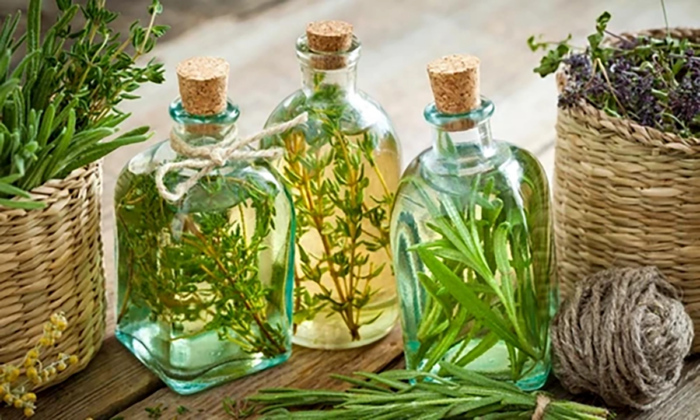
Few natural remedies carry a legend as powerful as the Vinegar of the 4 Thieves. The recipe, born in the heart of medieval Europe, became famous during the great plague epidemics when four thieves allegedly managed to rob the homes of the sick without falling ill themselves. According to legend, their secret was a vinegar infused with medicinal herbs and garlic, applied to the skin and consumed in small quantities for protection. Today, modern science has begun to confirm the antibacterial, antiviral, and immune-stimulating properties of the ingredients in this recipe.
Benefits
1. Supports the body’s natural immunity
The Vinegar of the 4 Thieves contains raw garlic, known for its ability to stimulate white blood cells. Studies show that allicin, the active compound in garlic, has proven antimicrobial and immune-stimulating effects. Along with garlic, aromatic herbs such as thyme, rosemary, and sage contribute with their rich antioxidant content. These antioxidants help combat oxidative stress, protecting the cells of the immune system. Regular use, in moderate quantities, may reduce the frequency of respiratory infections.
2. Has proven antibacterial and antifungal effects
A study published in the Journal of Applied Microbiology (2015) demonstrated that infusions of garlic, rosemary, and sage in vinegar inhibited the growth of dangerous bacterial strains, including Staphylococcus aureus and E. coli. These effects are attributed to the volatile and phenolic compounds that act synergistically in this combination. Local application can help disinfect minor wounds, while internal use (only diluted) can combat bacterial imbalances. Additionally, vinegar itself (acetic) is a natural preservative with antimicrobial properties. Thus, the remedy acts both internally and externally.
3. Supports digestion and toxin elimination
Raw apple cider vinegar stimulates the production of gastric juices and enzymes, facilitating the digestion of heavy foods. Garlic and cloves help balance the intestinal flora, reducing bloating and fermentation. Through its mild choleretic effect, rosemary stimulates bile production, aiding in the digestion of fats. Furthermore, aromatic plants act as natural detoxifiers, helping the liver and kidneys eliminate toxins more efficiently. When used correctly, the Vinegar of the 4 Thieves can be an excellent digestive tonic.
4. May reduce cold and flu symptoms
Many natural therapists recommend the Vinegar of the 4 Thieves at the first signs of viral infections. Garlic and thyme have expectorant effects, promoting the elimination of mucus from the respiratory tract. Additionally, cloves and sage can reduce throat inflammation and pain. Combined with honey, a tablespoon of diluted vinegar can quickly soothe irritation. Daily use during cold seasons may prevent the onset of respiratory infections.
5. May stimulate blood circulation
Rosemary and garlic, two essential components, have been studied for their effect on improving peripheral circulation. The volatile oils from the plants have a mild vasodilatory action, and the vinegar supports circulation through its stimulating effect. For external use, massaging with this vinegar can reduce the sensation of cold or numb feet. For internal use, small doses can naturally support blood flow. It is a valued remedy in folk medicine for revitalizing the body.
Studies and Research
A study published in Scientific Reports (2020) evaluated the antimicrobial potential of combinations of plants infused in vinegar. Researchers recreated a version of the Vinegar of the 4 Thieves and tested it against several pathogens. The results showed synergistic antimicrobial activity, especially against strains of Acinetobacter baumannii and Staphylococcus aureus. The study concluded that the efficacy is due to both acetic acid and phytocompounds extracted from the aromatic plants.
Another study conducted by the University of Nottingham (2018) analyzed the antibacterial power of traditional recipes. They recreated the medieval vinegar with garlic, white wine, cloves, and other herbs. The combination of ingredients led to the inhibition of bacterial biofilm development, which could explain its historical efficacy against infections. The authors suggested the potential for using these combinations as a basis for new natural antibiotics.
Traditional Recipe for the Vinegar of the 4 Thieves
Ingredients:
- 500 ml raw, unpasteurized apple cider vinegar
- 8 cloves of crushed garlic
- 1 tablespoon dried rosemary
- 1 tablespoon dried sage
- 1 tablespoon dried thyme
- 1 tablespoon dried mint
- 1 tablespoon whole cloves
- Peel of 1 organic lemon (optional)
- 1 glass jar with a lid
Preparation Method:
- Place all the ingredients in a glass jar.
- Pour the apple cider vinegar over the herbs until they are completely covered.
- Seal the jar tightly and store it in a dark, cool place for 2 weeks.
- Shake the jar daily.
- After 14 days, strain the contents through cheesecloth and store the liquid in a dark glass bottle.
Usage Instructions:
- Internally: 1 tablespoon diluted in water (200 ml), once a day.
- Externally: apply to the skin for disinfection or rub on colds.
- DO NOT use daily for long periods without medical advice.
Contraindications
- Contraindicated for individuals with gastric ulcers, gastroesophageal reflux, or gastritis as the acidity of the vinegar may worsen symptoms.
- Avoid use in case of allergy to any of the ingredients, especially garlic or cloves.
- Not recommended for children under 12 years, pregnant, or breastfeeding mothers without medical consultation.
- Individuals with kidney problems or hypotension should consult a doctor before consumption.
- Always consume diluted; undiluted may irritate mucous membranes and the stomach.
Sources:
- Journal of Applied Microbiology Synergistic antibacterial activity of vinegar and plant extracts
- Scientific Reports Reconstruction of a 17th-century remedy reveals synergistic effects of acetic acid and botanical compounds
- University of Nottingham The science behind a medieval plague remedy: uncovering antibacterial activity of natural ingredients




