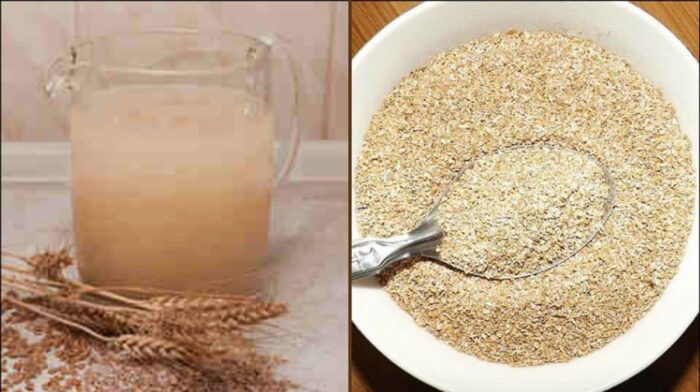
In the world of simple yet effective remedies, wheat bran holds a special place. Often ignored or discarded, it contains a wealth of fiber, vitamins, and minerals that can have a major impact on digestive health, metabolism, and detoxification of the body. An old but rediscovered method involves simply adding a tablespoon of wheat bran to a cup of water, letting it soak for a few hours or overnight, and consuming it in the evening before bed. The effects can be noticed within the first 3 days.
Benefits
1. Supports intestinal transit and combats constipation
Wheat bran is rich in insoluble fiber, which adds bulk to stool and helps move it through the colon. After just 2-3 days of evening consumption, many people notice a regulation of transit, with more regular and easier-to-eliminate stools. This effect is supported by the ability of bran to attract water and form a gel-like substance that lubricates the colon. Additionally, the fiber in bran nourishes beneficial bacteria in the gut, supporting the health of the intestinal flora.
2. Gently detoxifies the liver and colon
By stimulating the elimination of toxins from the intestines and reducing the time waste remains stagnant, wheat bran indirectly helps relieve the liver of some of its detoxification workload. Moreover, when in contact with water, bran absorbs heavy metals, oxidized fats, and other toxic compounds from the digestive tract, aiding in their elimination.
3. Reduces evening food cravings
Consumed before bed, the drink with bran forms a gel-like mass in the stomach, which provides a feeling of fullness. After a few consecutive evenings, those who tend to snack at night notice a visible reduction in food cravings. Thus, it can contribute to weight control, especially for those who eat compulsively in the latter part of the day.
4. May regulate morning blood sugar levels
The soluble fibers in bran have the ability to slow down glucose absorption. Evening consumption may lower blood sugar levels the next morning, which is beneficial for individuals with insulin resistance or type 2 diabetes. Some studies have shown that a diet rich in wheat bran reduces blood sugar levels by improving insulin sensitivity.
5. Reduces intestinal inflammation
Through their prebiotic action, bran contributes to the balance of intestinal flora, which plays a key role in regulating inflammation. Regular consumption over several days reduces bloating, cramps, and feelings of abdominal discomfort. This effect is supported by the synergy between fiber and the natural antioxidants present in the outer layer of the wheat.
6. Improves sleep quality
Bran contains small but significant amounts of magnesium and vitamin B6, which contribute to the synthesis of melatonin. Consuming a warm drink with bran before sleep can induce a state of calm and relaxation, especially if accompanied by a soothing routine. Some individuals have reported deeper sleep and a reduction in nighttime awakenings.
7. Supports cardiovascular health
Bran helps eliminate LDL cholesterol from the digestive tract, reducing its absorption into the bloodstream. In the long term, this simple action can contribute to a decreased risk of atherosclerosis and high blood pressure. The effect appears gradually but is based on solid scientific evidence.
8. Normalizes intestinal pH
By fermenting fiber in the colon, short-chain fatty acids (such as butyrate) are produced, which play a role in regulating intestinal pH and maintaining a healthy intestinal mucosa. These acids reduce inflammation, restore the intestinal barrier, and may prevent the onset of chronic digestive disorders.
How to prepare and consume it correctly
- Put 1 tablespoon of wheat bran in a cup of 250 ml of still or boiled and cooled water.
- Let it soak for at least 4 hours or overnight.
- Mix well and consume the entire amount including the bran, in the evening, 30-60 minutes before bed.
For a more pleasant flavor, you can add a slice of lemon or a dash of cinnamon.
Contraindications
- Not recommended for individuals with active diverticulitis, ulcerative colitis in acute phase, or other severe colon inflammations.
- May worsen symptoms in those with irritable bowel syndrome, especially if starting with too high a dose.
- Individuals with recent surgical interventions on the digestive tract should avoid this remedy.
- May interfere with the absorption of certain medications if taken too close to the time of administration; a minimum interval of 2 hours is recommended.
- Not indicated for children under 12 years without medical advice.
Studies and research
A study published in the journal Nutrition Research (2019) showed that individuals who consumed 10-15 g of bran daily for 7 days experienced a significant reduction in constipation and bloating, compared to the placebo group. This effect was attributed to increased stool mass and accelerated intestinal transit time.
A study conducted by Lund University in Sweden (2020) investigated the metabolic effects of fiber from wheat bran. A decrease in postprandial glucose and an improvement in insulin sensitivity were observed, especially among participants with metabolic syndrome.
In another study published in the British Journal of Nutrition (2021), it was concluded that the fibers in bran have a prebiotic effect, stimulating the production of short-chain fatty acids that reduce intestinal inflammation and support local immune function.




