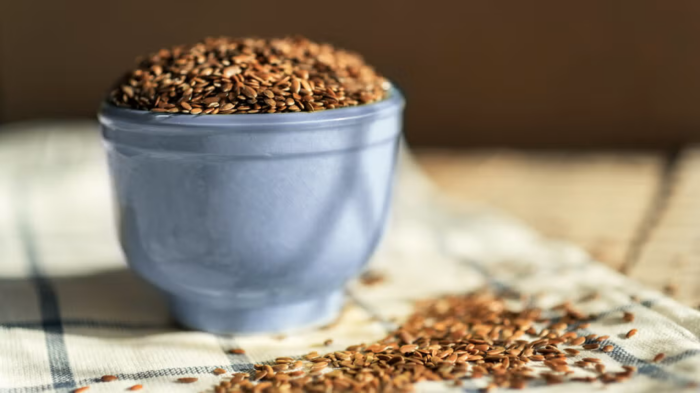
Chronic constipation affects millions of people worldwide, and natural solutions are becoming increasingly sought after in the face of aggressive laxatives. Flaxseeds, small but powerful, can be a real support for regulating intestinal transit, being recognized both in folk medicine and in recent research. Rich in fiber, omega-3 fatty acids, and mucilage, they act as a natural lubricant and regulator for the colon.
How Flaxseeds Affect Intestinal Transit
1. Rich in Soluble and Insoluble Fiber
Flaxseeds contain approximately 27% fiber (40% soluble and 60% insoluble), which supports the peristaltic movement of the intestine. Insoluble fibers help form a bulkier stool, while soluble fibers absorb water and soften the stool.
2. Mucilage as a Natural Lubricant
When soaked in water, flaxseeds release mucilage, gelatinous substances that coat the intestinal mucosa and facilitate elimination.
3. Prebiotic Effect
The fibers in flaxseeds nourish the good bacteria in the colon, thus supporting a healthy microbiome, which plays an essential role in digestion and intestinal motility.
Recipes and Preparation Methods for Chronic Constipation
1. Soaked Flaxseeds Overnight
Ingredients:
- 1 tablespoon of crushed flaxseeds
- 200 ml warm water
Preparation and Use:
Soak the flaxseeds in a glass of water overnight. In the morning, drink the entire contents, including the seeds. Repeat daily for 7-14 days.
Acts as a gentle natural laxative, promoting elimination without irritation.
2. Flaxseed Paste with Yogurt and Dried Plums
Ingredients:
- 1 tablespoon of ground flaxseeds
- 100 g natural (or plant-based) yogurt
- 3 dried plums (soaked overnight)
Preparation:
Mix all the ingredients in a bowl. Consume in the morning on an empty stomach.
The combination of flax fiber and the natural sorbitol in plums stimulates colonic motility.
3. Flaxseed Decoction
Ingredients:
- 1 tablespoon of whole flaxseeds
- 250 ml water
Preparation:
Boil the seeds for 10-15 minutes over low heat until a gelatinous texture forms. Strain and drink the warm liquid in the morning or evening.
The gel formed acts as an emollient for the digestive mucosa, facilitating easy evacuation.
4. Laxative Smoothie with Flaxseeds
Ingredients:
- 1 tablespoon of ground flaxseeds
- 1 ripe banana
- 1 apple
- 100 ml water or plant-based milk
- 1 tablespoon honey (optional)
Preparation:
Blend all the ingredients until a homogeneous mixture is obtained. Consume in the morning instead of breakfast.
Acts as a digestive tonic and gentle laxative, nourishing the intestinal flora.
Relevant Studies and Research
A study published in Journal of Ethnopharmacology (2015) showed that daily administration of 10 g of flaxseeds significantly increased the frequency of bowel movements in patients with chronic constipation, without adverse effects.
Another research from International Journal of Food Sciences and Nutrition (2012) demonstrated that the mucilage from flax has a protective effect on the colon mucosa and can reduce inflammation associated with chronic constipation.
In a double-blind, placebo-controlled clinical study (2011), women who consumed yogurt with ground flax reported significant improvements in transit, especially in cases of constipation related to irritable bowel syndrome.
A review published in Nutrients (2020) highlights the role of flaxseeds in reducing intestinal transit time, supporting their use as a natural adjunct in digestive disorders.
Contraindications
- Individuals with intestinal obstruction or paralytic ileus should NOT consume flaxseeds.
- Patients with active diverticulitis should avoid whole seeds (they can only be consumed in the form of mucilage or filtered powder).
- Pregnant women should consult a doctor before consuming large doses of flax.
- Drug interactions: flaxseeds may reduce the absorption of certain medications; it is recommended to take them at least 2 hours apart.
- Rare allergies, but possible, especially in individuals sensitive to plants from the Linaceae family.
Sources:
- Journal of Ethnopharmacology Laxative effects of flaxseed in patients with functional constipation
- International Journal of Food Sciences and Nutrition Effect of flaxseed mucilage on gastrointestinal health
- Nutrients Dietary Fiber and Gut Health: Focus on Flaxseed
- Clinical Interventions in Aging Flaxseed consumption and bowel movement improvement




