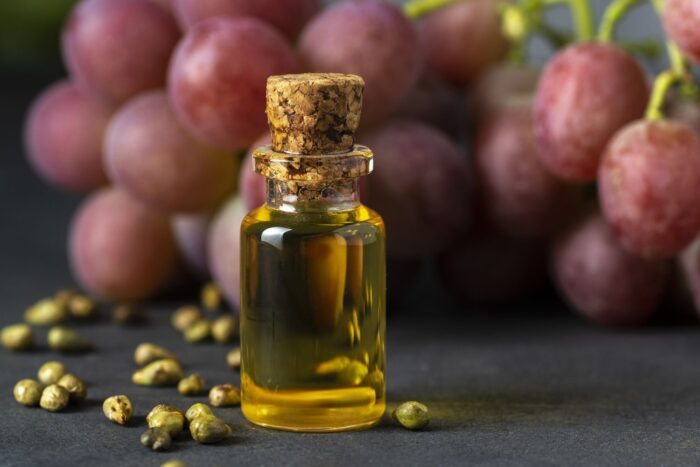
Grape seed oil, obtained by cold pressing the seeds left after the winemaking process, is one of the most underestimated vegetable oils. Although it is often used in cosmetics, recent research shows that this oil has remarkable therapeutic potential in supporting cardiovascular health, regulating cholesterol, and protecting the skin against premature aging.
Benefits
1. Supports Heart Health
Grape seed oil contains high amounts of unsaturated fatty acids, especially linoleic acid (omega-6), as well as significant amounts of vitamin E. These compounds help reduce inflammation and maintain the elasticity of blood vessels.
The flavonoids and proanthocyanidins present in the seeds protect the vascular endothelium, reducing the risk of atherosclerotic plaque formation.
Moderate consumption of grape seed oil can help regulate blood pressure and decrease the risk of myocardial infarction.
Another advantage is this oil’s ability to reduce oxidative stress, considered a triggering factor in cardiovascular diseases.
Additionally, studies have shown that the oil can reduce arterial stiffness, especially in patients with metabolic syndrome.
2. Regulates Cholesterol Levels
Clinical studies have demonstrated that linoleic acid contributes to lowering LDL cholesterol (bad) and increasing HDL cholesterol (good).
The polyphenols in the oil inhibit LDL oxidation, a process that leads to the formation of atherosclerotic plaques.
In a study published in Journal of Nutrition, patients who consumed 2 tablespoons of grape seed oil daily for 4 weeks showed a significant decrease in LDL levels.
The hypolipidemic effect of the oil is comparable to that of other cold-pressed oils, but with superior antioxidant content.
This benefit is amplified when the oil is included in a balanced diet based on healthy fats and fiber.
3. Protects and Regenerates the Skin
Due to its high vitamin E content and phenolic compounds, grape seed oil is excellent for the skin.
It has powerful antioxidant properties, helping to combat free radicals that accelerate the aging process.
When applied topically, it intensely hydrates the skin without leaving a greasy film, being quickly absorbed.
It is recommended in treatments for stretch marks, scars, irritated skin, or skin affected by eczema.
Additionally, it stimulates collagen and elastin synthesis, restoring skin elasticity and preventing the appearance of wrinkles.
4. Has Anti-Inflammatory Effects
The fatty acids and flavonoids present in the oil help reduce systemic inflammation.
It is useful in chronic conditions such as rheumatoid arthritis by inhibiting the release of pro-inflammatory cytokines.
It can be taken internally in short courses to support the body during periods of chronic inflammation.
When applied locally, it reduces skin inflammation and helps soothe lesions.
By reducing inflammation, it indirectly supports the health of the entire cardiovascular and nervous systems.
5. Supports Cognitive Function
The polyphenols in grape seed oil cross the blood-brain barrier and protect nerve cells.
They inhibit the aggregation of beta-amyloid plaques, which are involved in Alzheimer’s disease.
The oil supports better cerebral vascularization, improving brain oxygenation.
It is useful in combating mental fatigue and cognitive decline associated with aging.
Animal studies have shown significant improvements in memory and reaction after regular administration of grape seed extract.
Studies and Research
A study published in Phytotherapy Research (2021) analyzed the impact of grape seed oil consumption on hypertensive patients. Participants who received 15 ml daily for 6 weeks recorded a significant decrease in systolic blood pressure and an improvement in lipid profile.
In research from Journal of Medicinal Food (2019), it was demonstrated that daily administration of the oil led to a reduction in lipid peroxidation in the blood, protecting cellular DNA against oxidative stress.
Another important study, conducted in Iran in 2020 and published in International Journal of Preventive Medicine, showed that the oil can lower CRP levels (inflammatory marker) in patients with metabolic syndrome, supporting its use in preventing chronic inflammatory diseases.
Contraindications and Precautions
- The oil should not be used for high-heat cooking, as its compounds degrade at high temperatures.
- It may interact with anticoagulants due to its vitamin E content, which has a blood-thinning effect.
- It is contraindicated for individuals with grape allergies.
- Excessive consumption (more than 2 tablespoons per day) may disrupt the omega-3/omega-6 ratio in the body.
- In the case of children or pregnant women, medical consultation is recommended before internal use.
How to Use
- Internally: 1-2 tablespoons per day, added to salads or at the end of hot dishes.
- Externally: applied directly to the skin, gently massaged until absorbed.
- In combinations: can be mixed with essential oils for therapeutic massage or with honey for facial masks.
Sources:
- Phytotherapy Research Grape Seed Oil Supplementation and Blood Pressure: A Clinical Trial
- Journal of Medicinal Food Oxidative Stress Reduction via Grape Seed Oil
- International Journal of Preventive Medicine Effect of Grape Seed Oil on Metabolic Syndrome and Inflammatory Markers




