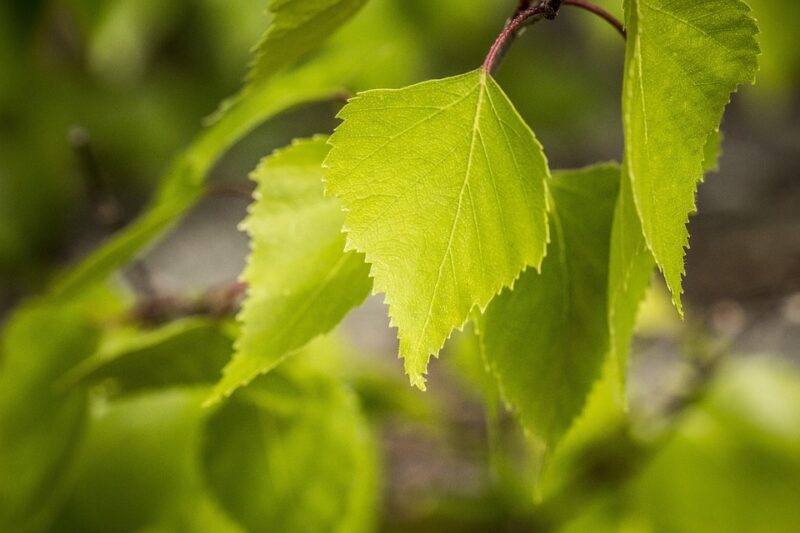
Birch leaves (Betula pendula) have been recognized for centuries for their diuretic, anti-inflammatory, and purifying properties. In folk medicine, they have been primarily used for eliminating excess water from the body, purifying the blood, and alleviating joint pain. Modern research has confirmed many of these uses, highlighting the valuable active substances contained in these leaves.
Composition of Birch Leaves
Fresh or dried birch leaves contain a variety of active compounds:
- flavonoids (quercetin, hyperin, kaempferol)
- triterpenic saponins
- tannins
- essential oils
- vitamin C
- phenolic acids (caffeic, chlorogenic)
- betulin (a specific triterpenoid of birch, with antiviral and anti-inflammatory properties)
These compounds synergistically contribute to the therapeutic effects of the plant.
8 Benefits of Birch Leaves
1. Powerful Natural Diuretic
Birch leaves stimulate kidney function and help eliminate excess water from the body. This effect is due to their rich content of flavonoids and saponins, which support renal filtration and prevent fluid retention. Increased diuresis also aids in the elimination of toxins, making the leaves useful in detoxification regimens. Additionally, they may help lower blood pressure in cases where it is caused by fluid retention. Furthermore, their use is gentle and does not lead to massive losses of electrolytes, as is the case with synthetic diuretics.
2. Support for Kidneys and Urinary Bladder
The leaves are often recommended for mild urinary infections, as they help cleanse the urinary tract. Their diuretic action contributes to the elimination of bacteria and maintains an unfavorable environment for microbial growth. Saponins have a mild antiseptic effect, which can prevent the recurrence of infections. Additionally, the leaves reduce the risk of kidney stone formation by preventing urine stagnation. They are often included in teas aimed at urinary health, alongside horsetail and nettle.
3. Blood Purification and General Detoxification
The flavonoids in birch leaves have purifying effects, supporting the liver and kidneys in eliminating toxins. They help cleanse the blood of residual metabolites, degradation substances, and exogenous toxins. Through their diuretic and anti-inflammatory effects, they reduce the overall inflammatory burden on the body. This is beneficial in chronic conditions where detoxification is essential (arthritis, eczema, gout). Many spring detox regimens in folk medicine included birch leaf tea for purification.
4. Reduction of Joint Inflammation
Studies have shown that the leaves have anti-inflammatory effects on painful joints, especially in cases of rheumatism or gout. This effect is mainly attributed to flavonoids, which inhibit the production of pro-inflammatory cytokines. The diuresis induced by the leaves helps eliminate uric acid, reducing gout attacks. Additionally, the plant is used in the form of poultices to soothe local joint pain. The combined anti-inflammatory and detoxifying effect makes it extremely valuable for the health of the osteoarticular system.
5. Improvement of Skin Appearance
Through their detoxifying action, the leaves can help alleviate skin conditions such as acne, dermatitis, or eczema. Their diuretic effect contributes to the elimination of toxins that could negatively affect skin condition. Additionally, phenolic compounds have a local antibacterial and anti-inflammatory effect. Infusions can be applied externally to the skin or used in soothing baths. The leaves are often included in natural treatments for sensitive or irritation-prone skin.
6. Support for Immunity
The leaves contain vitamin C and compounds with antioxidant effects that support the body’s immunity. Betulin, a specific triterpenoid of birch, has antiviral action and may help inhibit the replication of certain viruses. These properties contribute to better protection against seasonal infections. Moreover, effective detoxification reduces chronic inflammation and supports a balanced immune response. The leaves can be used in regimens to strengthen the body, especially in spring.
7. Support in Weight Loss Regimens
Birch leaves can be an ally in weight loss regimens due to their diuretic and purifying effects. By eliminating excess water and toxins, they help reduce bloating and fluid retention. Additionally, a detoxified body functions more efficiently, and metabolism is supported by flavonoids. Regular consumption of infusion may promote weight loss when associated with a balanced diet. They do not have direct effects on fat but contribute to a favorable internal environment for weight loss.
8. Soothing Scalp Irritations and Combating Dandruff
Birch leaf tea applied to the scalp can reduce dandruff and irritations. The active substances combat the bacteria and fungi responsible for imbalances in the scalp. They also soothe itching and redness. It is often used in traditional cosmetic products for oily hair or sensitive scalp. Rinsing hair with birch infusion also provides a natural shine.
Study:
A study published in Journal of Ethnopharmacology evaluated the anti-inflammatory and antioxidant properties of birch leaf extract. Researchers found that the extract significantly reduced the levels of inflammatory mediators in animal models of induced inflammation. The anti-inflammatory activity was associated with the inhibition of COX and LOX enzymes, involved in the synthesis of prostaglandins. Additionally, a decrease in edema induced in the tested tissues was observed. In the same study, antioxidant activity comparable to that of green tea extracts was noted. This suggests a real potential of the leaves in combating oxidative stress. Another relevant aspect was the lack of toxicity at moderate doses, indicating good tolerance. The study concluded that birch leaves can be successfully used in complementary therapies for chronic inflammatory conditions. The authors recommended clinical research on human patients to validate the effects.
Usage Methods
- Infusion (for internal use): one tablespoon of dried leaves in 250 ml of boiling water, infused for 10-15 minutes, twice a day, in courses of 2-3 weeks.
- Infusion (for baths or scalp): 2-3 tablespoons of leaves in 500 ml of boiling water, left for 15 minutes and added to bath water or used as a lotion.
- Powder: 1 g twice a day, with water, for 2 weeks.
- Compresses: boiled leaves can be applied externally to painful joints.
Contraindications
Birch leaves should not be used in cases of:
- Severe renal insufficiency, due to the diuretic effect.
- Edema caused by heart failure, where increased diuresis may disrupt electrolytes.
- Pregnancy and breastfeeding, in the absence of adequate clinical studies.
- Allergy to salicylates, as birch contains compounds similar to aspirin.
- Treatment with diuretics or antihypertensives, to avoid potentiating effects.
Consultation with a physician is essential before use, especially in the case of chronic diseases.




