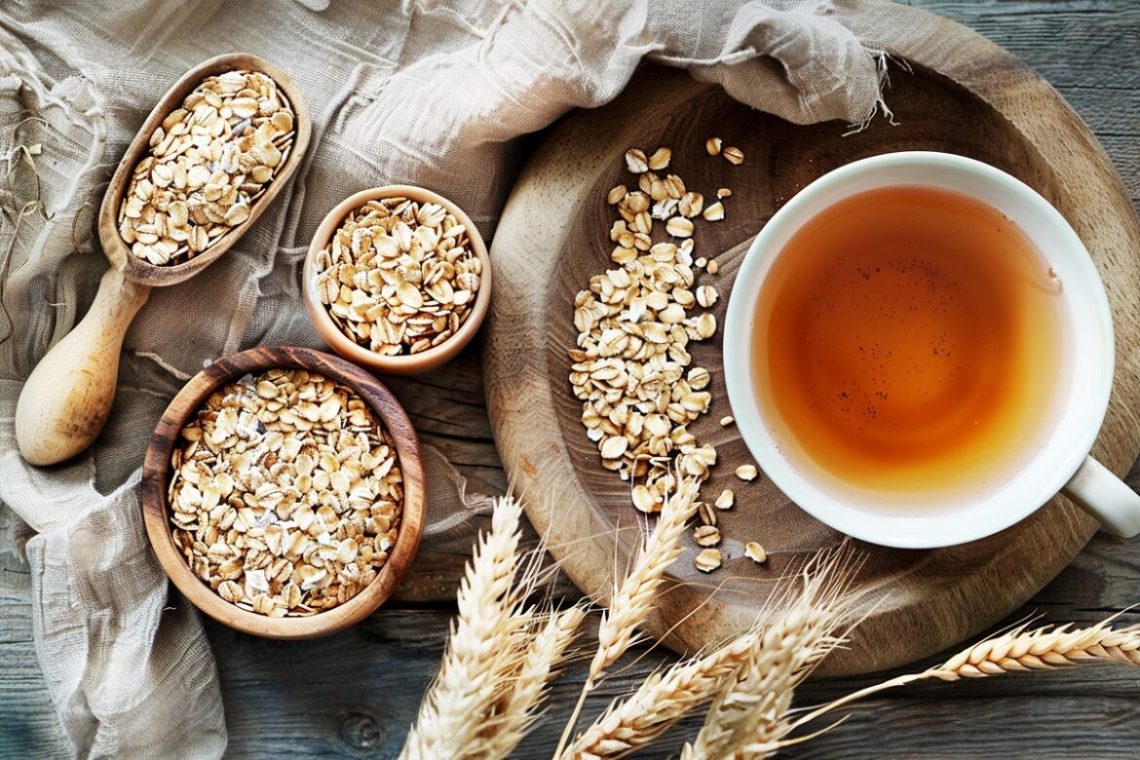
Few know that oats, known primarily as a healthy breakfast, hide in their leaves, stems, and grains a therapeutic treasure: oat tea. This discreet yet highly effective infusion has been used for centuries to balance the nervous system, support detoxification, and calm inflammation. Unlike cooked oats or porridge, the tea extracts active components in a form easily assimilated by the body and gentle on the digestive system. It is a valuable choice during periods of stress, exhaustion, or during liver and kidney support regimens.
Benefits of Oat Tea
1. Calms the Nervous System and Reduces Anxiety
Oat tea has a natural sedative effect on the nervous system due to its content of alkaloids, flavonoids, and avenin. These compounds act on the hypothalamic-pituitary-adrenal axis, reducing nervous hyperactivity and promoting a state of calm. It is recommended during periods of intense stress, sleep disturbances, or irritability. A gradual improvement in mood is observed with regular consumption, without side effects. It is often used in herbal medicine to support recovery in cases of mental exhaustion.
2. Supports Liver Function and Detoxification
Oats contain silica, saponins, and mucilages that help eliminate toxins from the body. Oat tea stimulates bile secretion and contributes to more efficient digestion of fats. It also has a mild diuretic effect, promoting the elimination of metabolic waste through the kidneys. This process supports the liver in its blood filtration function and is useful in seasonal detoxification regimens. Additionally, it reduces liver inflammation and improves overall skin condition.
3. Balances Blood Sugar Levels
Oat tea helps stabilize blood sugar levels due to its content of soluble beta-glucans. These compounds slow down sugar absorption in the blood, preventing spikes in blood sugar. It is recommended for individuals with prediabetes or type 2 diabetes as a natural adjunct. Regular consumption also contributes to reducing sweet cravings, an important advantage in weight loss regimens. Thus, it can be included in nutritional plans for maintaining a healthy weight.
4. Supports Cardiovascular Health
Beta-glucans from oats also help lower LDL cholesterol levels, protecting blood vessels. The tea has a mild vasodilatory effect and can reduce blood pressure in individuals with moderate hypertension. Additionally, natural antioxidants such as avenanthramides have an anti-inflammatory effect on the vascular endothelium. Consistent consumption contributes to the prevention of cardiovascular diseases and supports heart health. This effect is enhanced by its stress-reducing properties, a known factor in the onset of heart problems.
5. Improves Digestion and Calms Irritable Bowel Syndrome
Oats contain mucilages that protect the intestinal mucosa and reduce inflammation. Tea made from oats has an emollient effect and can soothe symptoms of irritable bowel syndrome, cramps, or bloating. Additionally, it helps regulate intestinal transit, being useful in both constipation and mild diarrhea. It is indicated in recovery regimens after antibiotics or digestive infections. The tea can also be consumed on an empty stomach to protect sensitive gastric walls.
Relevant Study: The Effect of Oats on the Nervous and Metabolic Systems
A study published in Phytotherapy Research (2011) analyzed the effects of green oat extract (Avena sativa) on cognitive function and mood. The study was conducted on 132 healthy volunteers in a double-blind, placebo-controlled setting. Participants consumed oat extract for 29 days, and results were analyzed using memory, attention, and general state tests. The results showed a significant improvement in reaction time, concentration capacity, and a reduction in anxiety levels. Researchers attributed these effects to the high content of avenin and other specific alkaloids in the plant.
The study highlights that oats have therapeutic potential in supporting mental health, being a natural option in preventing mild cognitive disorders. Additionally, within the same research, a slight decrease in blood pressure was observed, supporting the idea that oats may have a cardiovascular regulatory effect. The authors recommended including oat extracts in stress supplements as well as in medicinal teas. This research is supported by previous studies that have demonstrated the beneficial effects of oats on carbohydrate metabolism and neuronal activity.
Preparation Method
Ingredients:
- 1 tablespoon of whole oats (or oat straw Avena sativa, from health stores)
- 250 ml boiling water
Preparation Method:
- Boil the water and pour it over the oats.
- Let it steep for 10-15 minutes, covered.
- Strain and consume warm, 1-2 times a day.
You can add a little honey or lemon if there are no contraindications. For a more pronounced effect on the nervous system, a 2-week regimen with 2 cups a day can be done.
Nutritional Table (per 100 g of whole oats)
| Nutrient | Amount |
|---|---|
| Energy | 389 kcal |
| Protein | 16.9 g |
| Fat | 6.9 g |
| Carbohydrates | 66.3 g |
| Fiber | 10.6 g |
| Iron | 4.7 mg |
| Magnesium | 177 mg |
| Zinc | 3.1 mg |
| Vitamin B1 (Thiamine) | 0.76 mg |
| Vitamin B5 (Pantothenic Acid) | 1.3 mg |
Contraindications
- Oat Allergy Individuals with sensitivity or allergy to oats should avoid the tea.
- Celiac Disease Although oats are considered gluten-free, contamination can occur during packaging. Those with severe gluten intolerance should be cautious.
- Diabetes Treated with Insulin May potentiate the treatment effect, requiring blood sugar monitoring.
- Pregnancy and Breastfeeding Medical consultation is recommended before use, especially in large doses.
- Children Under 2 Years Not recommended without medical advice.




