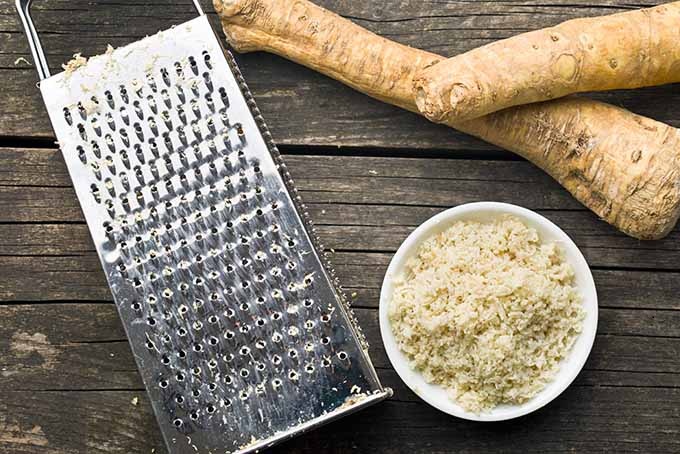
Horseradish is one of the most resilient plants in Romanian cuisine, but it is also one of the most powerful from a therapeutic standpoint. A spoonful of grated horseradish consumed daily can trigger beneficial reactions throughout the body, activating digestion, strengthening immunity, and intensively detoxifying the liver and respiratory pathways. With a remarkable chemical composition, horseradish has been extensively studied for its antibacterial, anti-inflammatory, and detoxifying properties.
1. Activates Circulation and Stimulates Brain Functions
The irritating substances in horseradish, such as isothiocyanates, cause the dilation of blood vessels and an increase in blood flow to the brain. This effect can contribute to better cerebral oxygenation, improving memory and concentration. Additionally, horseradish stimulates the release of adrenaline, providing a boost of mental and physical energy.
Daily consumption of grated horseradish can be beneficial for individuals suffering from chronic fatigue, mental fog, or difficulties in concentration. Moreover, its mild vasodilating effect can reduce feelings of headache or pressure in the forehead.
2. Clears Sinuses and Cleanses Respiratory Pathways
Horseradish is known for its ability to clear the nose and sinuses in an extremely short time. This property is due to the volatile compounds that act as a natural decongestant. A spoonful of grated horseradish can cause an almost instant nasal clearing effect.
The expectorant action is intensified with regular consumption, promoting the elimination of stagnant secretions from the bronchi and sinuses. Horseradish also stimulates the local immune system, helping the body fight respiratory infections more effectively.
3. Has Natural Antibiotic Effects
One of the most important benefits of horseradish is its antibacterial effect, comparable to that of mild antibiotics. Sulfur compounds and isothiocyanates act against bacteria such as Escherichia coli, Staphylococcus aureus, or Helicobacter pylori.
Daily consumption can help prevent urinary, digestive, or respiratory infections. It is also considered an adjunct in treating recurrent infections by reducing bacterial resistance and supporting natural immunity.
4. Stimulates Metabolism and Aids Weight Control
Horseradish accelerates basal metabolism through its thermogenic action. This means that, following consumption, the body burns calories more quickly, even at rest. A spoonful a day can contribute, within a balanced diet, to weight loss.
Additionally, horseradish has a low glycemic index and does not negatively affect blood sugar levels. It is a suitable choice for individuals looking to avoid processed foods and regulate their appetite naturally.
5. Detoxifies the Liver and Gallbladder
Horseradish contains enzymes and active compounds that stimulate bile secretion and support liver functions. A spoonful of grated horseradish on an empty stomach helps eliminate accumulated toxins in the liver and gallbladder, promoting more efficient digestion.
This action is especially beneficial for individuals with gallbladder dyskinesia, slow digestion, or frequent bloating. Additionally, horseradish contains antioxidants that reduce oxidative stress in the liver.
6. Supports the Immune System and Combats Free Radicals
Horseradish is rich in vitamin C, flavonoids, and glucosinolates—compounds that play an important role in cellular defense. Consumed daily, it nourishes the immune system and reduces the risk of infections, especially during the cold season.
Moreover, glucosinolates are converted into isothiocyanates, substances with potential anticancer properties that help the body eliminate toxic compounds before they can damage cells.
Contraindications
Daily consumption of horseradish should be done with caution in the following cases:
- Gastric or duodenal ulcers—horseradish is gastric irritant.
- Hyperthyroidism—may excessively stimulate metabolism.
- Individuals with severe kidney or liver conditions.
- Pregnancy or breastfeeding—only with medical advice.
- Allergies or intolerance to sulfur compounds.
It is recommended not to consume more than 1 spoonful per day for longer periods of 2-3 weeks without a break.
Studies and Research
- Antibacterial activity of horseradish root extract against pathogenic bacteria Journal of Medicinal Food
The study demonstrated that horseradish has significant antibacterial effects against several strains of pathogenic bacteria. Horseradish extract inhibited the growth of bacteria in laboratory cultures, especially E. coli and S. aureus. This activity is attributed to isothiocyanates, volatile compounds that act as natural antimicrobial agents. The authors suggested using horseradish as a natural adjunct in mild infections. - Glucosinolates and their hydrolysis products in brassicaceae impact on human health Molecular Nutrition & Food Research
The research analyzed glucosinolates from cruciferous plants, including horseradish. It was shown that these compounds have anticancer and detoxifying potential by activating phase II enzymes in the liver. Regular consumption of horseradish was associated with better elimination of toxins and a reduced risk of chronic diseases related to oxidative stress. - The effects of horseradish on respiratory conditions—a clinical review Phytotherapy Research
This analysis included several clinical studies in which horseradish was used for the treatment of rhinitis, sinusitis, and bronchitis. Consumption of horseradish significantly reduced symptoms of nasal congestion and shortened the duration of respiratory infections. A rapid improvement in respiratory capacity was observed compared to placebo.




