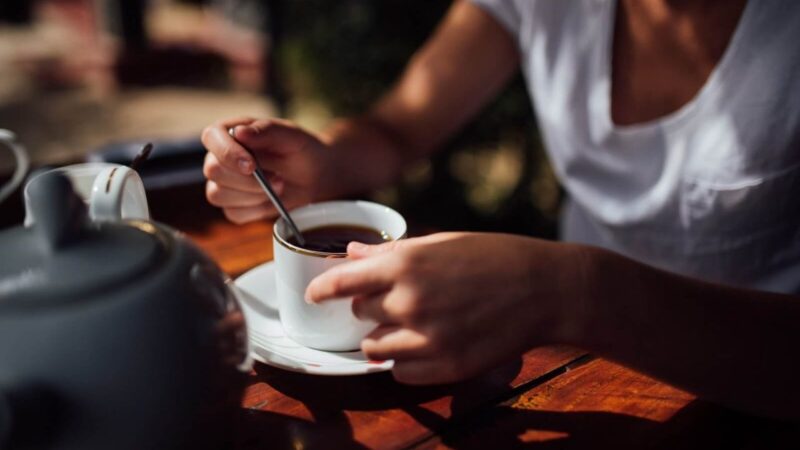
Many people associate teas with relaxation and peaceful sleep, but not all herbs have a calming effect. Some of them, even if they are natural, can stimulate the nervous system, increase blood pressure, or activate metabolism in such a way that sleep can be profoundly affected. We present 3 teas that should be avoided late in the evening, especially before bedtime, as they can cause insomnia, restlessness, or frequent awakenings during the night.
1. Green Tea
Why to avoid it in the evening:
Green tea contains caffeine in significant amounts, providing between 30-50 mg of caffeine, enough to disrupt the natural sleep cycle. Although it is promoted for its antioxidants and metabolic benefits, the caffeine in its composition stimulates alertness and blocks adenosine, the chemical responsible for inducing sleepiness. Moreover, green tea also contains theobromine and theophylline, two other stimulating substances that can increase heart rate and induce feelings of anxiety.
Study:
A study published in Journal of Clinical Sleep Medicine analyzed the effect of caffeine consumption 6 hours, 3 hours, and even 1 hour before sleep. The research included healthy adults and showed that caffeine consumption 6 hours before bedtime significantly reduced sleep duration by over an hour. Participants who drank green tea in the evening had difficulties falling asleep and reported reduced sleep quality. Researchers observed an increase in sleep latency (time to fall asleep) and a decrease in REM phase. Additionally, EEGs showed increased brain activity in the initial phases of sleep. Subjects reported feeling more tired in the morning, indicating shallow sleep. The conclusion was that green tea, although healthy during the day, is not recommended in the evening at all.
2. Guarana Tea
Why to avoid it in the evening:
Guarana is a plant from the Amazon that contains one of the highest concentrations of caffeine in the plant kingdom—more than coffee. Guarana tea is energizing and widely used in weight loss regimens, but its effects on the nervous system can be too strong for evening hours. It stimulates adrenaline secretion, increases blood pressure, and can lead to severe insomnia or feelings of psychomotor agitation.
Study:
A study published in Psychopharmacology examined the effects of guarana on cognitive performance and sleep quality. Participants received guarana-based supplements, while others received a placebo, over a period of 7 days. Those who consumed guarana showed a significant improvement in alertness and reaction speed during the day but reported difficulties falling asleep. Sleep analyses showed a reduction in deep sleep and an increase in micro-awakenings during the night. Cortisol levels, the stress hormone, were significantly elevated by the end of the week. The study concluded that, although guarana has beneficial effects on mental energy, it is contraindicated in the latter part of the day, especially before sleep.
3. Ginseng Tea
Why to avoid it in the evening:
Ginseng is renowned for its tonic properties, but these very effects can become an obstacle to peaceful sleep. The plant stimulates the central nervous system and increases brain activity. Its adaptogenic effect can be useful during stressful periods, but taken before bedtime, ginseng can cause insomnia, restless dreams, or sudden awakenings.
Study:
A study published in American Journal of Chinese Medicine evaluated the effects of ginseng on sleep in patients with chronic stress. Participants received daily capsules equivalent to a cup of ginseng tea, and their sleep activity was monitored using actigraphs. Although an initial reduction in daytime fatigue was observed, starting from the third day, patients reported difficulties in maintaining sleep, frequent awakenings, and a feeling of an overly active mind before falling asleep. Physiological data confirmed increased activation of the sympathetic nervous system. The study concluded that ginseng can disrupt the circadian rhythm and that its administration in the evening should be strictly avoided.
General Contraindications
- People with chronic insomnia, anxiety, or sleep disorders should completely avoid these teas after 4 PM.
- Pregnant or breastfeeding women should consult a doctor before consuming teas with stimulating potential.
- People with hypertension or heart conditions may have negative reactions to energizing plants.
- These teas can interfere with sleep medications or antidepressant treatments.
- In children and adolescents, the consumption of stimulating teas can produce much more intense effects than in adults.
Sources:
- Journal of Clinical Sleep Medicine – The Effects of Caffeine on Sleep When Taken 0, 3, or 6 Hours Before Going to Bed
- Psychopharmacology – Cognitive performance and mood following administration of guarana
- American Journal of Chinese Medicine – The Effects of Ginseng on Sleep Architecture in Subjects with Chronic Stress




