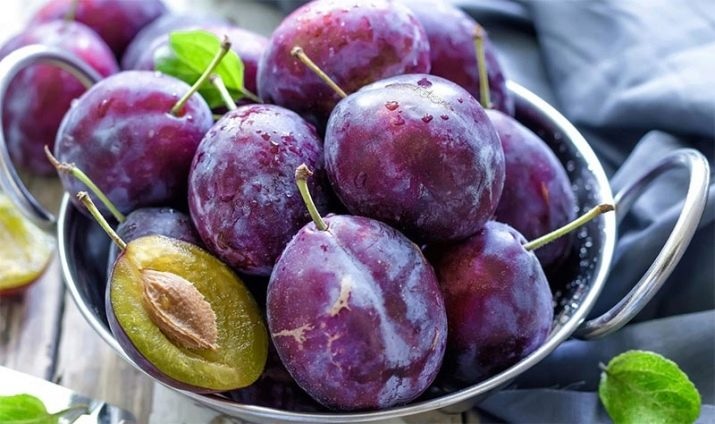
Plum pits are often discarded without recognizing their therapeutic potential. In folk medicine, they have been used in various forms, and modern research is beginning to confirm some of the old observations. However, it is essential to know how to use them correctly, as they contain amygdalin (vitamin B17), a substance that can become toxic in large quantities.
Benefits
1. Powerful Antioxidant Action
Plum pits contain polyphenols and vitamin E, compounds known for their antioxidant properties. These antioxidants protect cells against oxidative stress, which is responsible for premature aging and the onset of chronic diseases. Research has shown that oil extracted from the pits can reduce oxidative damage at the cellular level. By neutralizing free radicals, plum pits can support overall health and immunity. They also contribute to reducing systemic inflammation in the body.
2. Support for Skin Health
Plum pit oil is used in cosmetics for its emollient and regenerating effects. It is rich in essential fatty acids (oleic and linoleic), which help restore the skin barrier. When applied externally, it deeply hydrates the skin and reduces irritations, being beneficial for dermatitis or dry skin. Additionally, it helps fade scars and maintain skin elasticity. It absorbs quickly without leaving a greasy film.
3. Anti-inflammatory Effect
Controlled consumption of extracts from plum pits may have systemic anti-inflammatory effects. Certain phenolic compounds inhibit enzymes involved in inflammation, such as COX-2. Thus, they can be useful as adjuncts in inflammatory joint or digestive conditions. While they do not replace medical treatments, they can effectively complement natural therapy. Moreover, applying the oil reduces local skin inflammation.
4. Supports Cardiovascular Health
Due to their high content of unsaturated fats (especially oleic acid), plum pits can help lower bad cholesterol (LDL). The oil obtained from them aids in improving the elasticity of blood vessels and reducing the risk of atherosclerotic plaque formation. Additionally, antioxidants prevent the oxidation of cholesterol, a major cardiovascular risk factor. Moderate consumption, integrated into a balanced diet, can have beneficial effects. Its lipid profile is comparable to that of almond or apricot oil.
5. Stimulates Digestion and Transit
Traditionally, the kernel of plum pits was used to support digestion. It contains fine fibers and substances with a mild laxative effect, which can help combat constipation. Additionally, fatty acids contribute to lubricating the intestines. In ancient medicine, crushed kernels were added to mixtures for healing the digestive tract. However, doses must be strictly controlled to avoid amygdalin toxicity.
Relevant Studies and Research
Study 1: Characterization of bioactive compounds in plum seed oil Journal of Food Biochemistry
Researchers analyzed the chemical composition of oil extracted from plum pits and highlighted the high presence of unsaturated fatty acids (oleic 69%, linoleic 22%) and vitamin E. These compounds significantly contribute to the antioxidant effect of the oil. It has been shown that the oil has a capacity to neutralize free radicals comparable to that of argan oil. Furthermore, the extract exhibited oxidative stability, making it valuable for use in food. The research suggested the use of the oil in both nutrition and cosmetics. The authors emphasized the safety of the oil when properly purified. No toxic effects were observed at low doses. The conclusion was that plum pit oil could be introduced into nutritional and dermatocosmetic formulations.
Study 2: Toxicological Evaluation of Amygdalin from Plum Seeds Food and Chemical Toxicology
This study focused on the potential toxic effects of amygdalin, a compound present in plum pits. Research showed that high doses can lead to the release of cyanide in the body. In laboratory animals, high doses caused severe neurological and cardiac symptoms. However, no negative effects were observed at low and controlled doses. The authors noted that roasting or boiling the pits significantly reduces the amygdalin content. In conclusion, occasional use of roasted pits in small quantities may be safe. Recommendations emphasized the need for proper processing and consumer education. The study discouraged the daily use of raw pits.
How to Use and Recipes
Plum Pit Oil (Cold-Pressed)
- Obtained by pressing the kernel of the shelled pits.
- Can be used internally (1 tablespoon/day) or externally (applied to skin or hair).
- Has a fine, slightly almond-like taste, suitable for salads or raw desserts.
Dried and Ground Kernel (used in moderation)
- Pits are removed, cracked open, and the inner white kernel is extracted.
- The kernel is left to dry and then finely ground.
- Add a pinch to porridge, smoothies, or detox mixtures.
Roasted Pits (only occasionally)
- Pits are cracked open, the kernel is extracted, and roasted at low temperature for 15 minutes.
- Roasting reduces amygdalin and its toxic potential.
- Consume 1-2 roasted kernels/day as a digestive tonic.
Contraindications and Precautions
- Toxicity: Contains amygdalin, which can release cyanide in the body in large quantities. Regular consumption of raw pits is not recommended.
- Children and Pregnant Women: Avoid administration completely in these categories.
- Liver or Kidney Issues: Substances resulting from amygdalin metabolism can overload these organs.
- Drug Interactions: May interfere with anticoagulant medications or those for thyroid conditions.
- Recommended Doses: Maximum of 12 kernels per day, only in roasted or thermally treated form, under the supervision of a specialist.
Sources:
- Journal of Food Biochemistry Characterization of bioactive compounds in plum seed oil
- Food and Chemical Toxicology Toxicological Evaluation of Amygdalin from Plum Seeds




