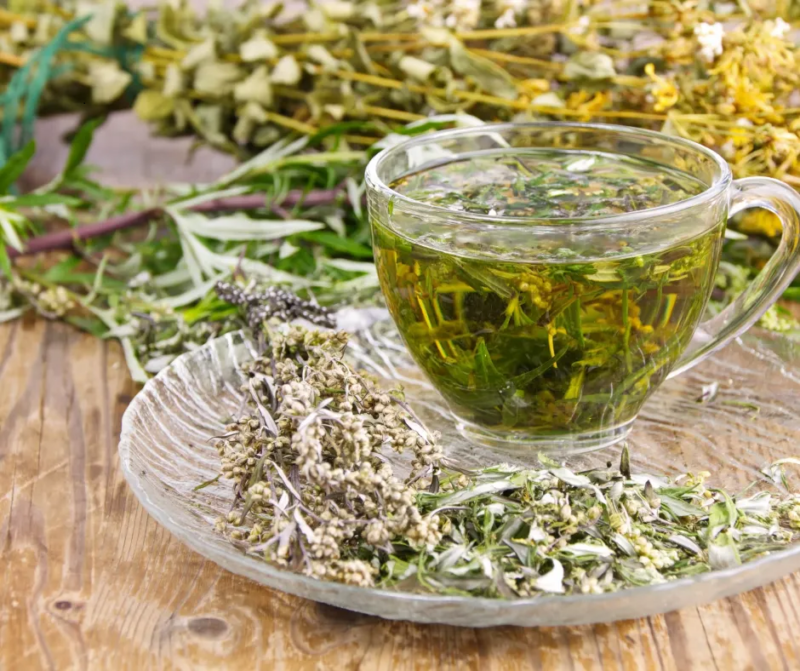
Wormwood (Artemisia absinthium) is one of the most bitter medicinal plants in the world, but this bitterness hides an exceptional therapeutic power. In the form of a macerate, wormwood acts deeply on the liver and lymphatic system, helping to detoxify the body, stimulate digestion, and balance bile functions. In folk medicine, this remedy was used during seasonal changes to purify the blood and revitalize the entire body.
Wormwood Macerate Recipe
Ingredients:
- 1 tablespoon of dried wormwood (crushed leaves and stems)
- 250 ml cold water (still or spring water, if possible)
- optional: a slice of dried apple or a piece of orange peel (for flavor)
Preparation:
- Place the wormwood in cold water.
- Let it macerate for 8-10 hours, preferably overnight.
- Strain in the morning and drink on an empty stomach.
Administer for maximum 7 days, then take a break. Do not consume more than 250 ml per day.
Benefits: How It Helps the Liver and Lymphatic System
1. Deeply Cleanses the Liver
Wormwood contains sesquiterpene lactones (especially absinthin) that stimulate bile secretion and help break down fats, supporting liver function. This action is essential, especially for individuals with a burdened or fatigued liver due to dietary excesses, medications, or toxins. The bitterness of the plant triggers digestive reflexes that mobilize the liver and gallbladder, contributing to more effective detoxification. Additionally, wormwood aids in the regeneration of liver cells and supports hepatic enzymatic processes. By cleansing the liver, systemic inflammation in the body is also reduced.
2. Supports Lymphatic Drainage
The lymphatic system is the body’s internal cleaning system, and wormwood has a beneficial effect on activating lymphatic circulation. The macerate acts indirectly on the lymph nodes and spleen, improving the body’s ability to eliminate cellular waste. Good lymphatic drainage supports immunity and reduces chronic inflammation. The depurative effect of wormwood helps remove heavy metals and toxic compounds that can stagnate in the lymph. Regular but controlled consumption of the macerate can reduce fatigue, water retention, and systemic inflammation.
3. Regulates Digestion and Combats Bloating
Wormwood stimulates taste receptors for bitterness, which triggers the secretion of digestive juices (saliva, gastrin, bile). This effect improves digestion, especially of fats and proteins. By regulating stomach pH, wormwood reduces the risk of fermentation, bloating, and abdominal discomfort. It also helps restore intestinal flora by combating certain intestinal parasites and pathogenic bacteria. With optimal digestion, the burden on the liver is indirectly reduced, contributing to maintaining a normal body weight.
4. Combats Intestinal Parasites
The bitter components in wormwood, especially absinthin and artabsin, have proven antiparasitic effects. The macerate acts gently on the digestive tract without irritating the mucosa and paralyzes certain intestinal worms. This property has been known for centuries in traditional medicine and is mainly used in spring detoxification cures. Additionally, wormwood creates a digestive environment in which parasites and harmful bacteria cannot multiply. By combating these pathogens, the toxic burden that reaches the liver is reduced.
5. Reduces Chronic Inflammation
Wormwood contains compounds with anti-inflammatory potential, such as flavonoids, phenolic acids, and sesquiterpenes. These compounds reduce the production of inflammatory cytokines (such as TNF-alpha or IL-6) and help diminish inflammation at the hepatic, intestinal, and lymphatic levels. The macerate is milder than infusions or tinctures, making it more suitable for daily use in short-term cures. By reducing inflammation, wormwood can also help improve skin appearance and balance autoimmune reactions. Thus, the body regenerates more quickly and can protect itself more effectively against diseases.
Studies on the Effects of Wormwood
A study published in Phytotherapy Research (2021) analyzed the chemical composition of wormwood and demonstrated its ability to stimulate bile flow and hepatic enzymatic secretion. In vivo tests conducted on animal models showed a significant improvement in liver function after administration of wormwood extracts. The study concludes that wormwood may have a hepatoprotective role, especially in cases of fatty liver or chronic inflammation.
Another study, published in Journal of Ethnopharmacology (2020), highlighted the lymphostimulatory and anti-inflammatory effects of aqueous wormwood extract. Activation of lymphocytes and a decrease in splenic inflammation were observed in treated animals, suggesting a potential use in supporting immunity and lymphatic drainage. The effects were mainly attributed to the polyphenols and flavonoids present in the plant.
In an experiment conducted in 2018 at Cairo University, researchers demonstrated that wormwood has a clear antiparasitic effect against Giardia lamblia and Entamoeba histolytica, two of the most common intestinal parasitic infections. Administration of an aqueous extract similar to the macerate led to a significant reduction in parasitic burden.
A Romanian study from 2019 (University of Medicine and Pharmacy in Cluj) demonstrated that wormwood can reduce lipid oxidation at the hepatic level and support cellular regeneration in cases of toxin-induced damage. This property is extremely important in the context of daily exposure to pollutants, alcohol, or medications with potential hepatotoxic effects.
Contraindications and Precautions
- Not to be administered to children under 12 years, pregnant women, or nursing mothers.
- Contraindicated in cases of gastritis, gastric ulcer, or ulcerative colitis.
- Individuals with epilepsy or neurological disorders should avoid consuming wormwood due to its thujone content.
- Do not combine with other hepatotoxic products or medications without medical advice.
- The cure should not be extended beyond 7 consecutive days to avoid the toxic effects of thujone in high doses.




