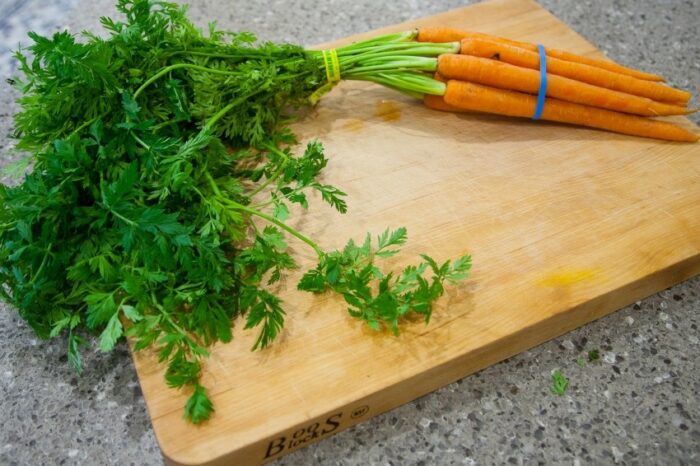
Most of the time, carrot leaves end up directly in the trash or compost, even though they have a valuable nutritional composition and remarkable therapeutic properties. Whether you consume them raw in salads, as an infusion, or dry them for future preparations, these leaves hide a true green treasure. They contain chlorophyll, antioxidants, essential vitamins, and compounds with anti-inflammatory, detoxifying, and remineralizing effects.
Benefits of Carrot Leaves
1. Support Liver Function and Aid Detoxification
Carrot leaves have a high chlorophyll content, a well-documented detoxifying compound. Chlorophyll helps neutralize toxins in the liver and stimulates bile production, essential for fat digestion. Additionally, the flavonoids in the leaves help protect liver cells from oxidative stress. In folk medicine, an infusion of carrot leaves was used as a liver tonic. This action is also supported by the high potassium content, which helps balance fluids and eliminate waste substances through the kidneys.
2. Reduce Chronic Inflammation
Carrot leaves are rich in luteolin, a flavonoid with proven anti-inflammatory effects. This substance inhibits the activity of enzymes involved in chronic inflammation, such as COX-2. Studies show that luteolin can reduce levels of inflammatory cytokines, such as TNF-alpha. These effects may help alleviate symptoms in conditions such as rheumatoid arthritis or ulcerative colitis. The leaves can be used as an infusion or added to soups and stews, providing a natural source of plant-based anti-inflammatories.
3. Boost Natural Immunity
The high content of vitamin C, beta-carotene, and antioxidants makes carrot leaves an ally for the immune system. Vitamin C stimulates the production of lymphocytes and increases the activity of phagocytes, helping the body fight infections effectively. Beta-carotene is converted into vitamin A, essential for the integrity of mucous membranes and a natural barrier against pathogens. Dried leaves can be used in blends for immune-stimulating teas, especially during the cold season. Regular use can reduce the incidence of respiratory infections and strengthen the body’s defense mechanisms.
4. Support Kidney Health and Combat Water Retention
Carrot leaves have mild diuretic properties due to their potassium content and volatile oils. They stimulate the elimination of excess fluids and toxins through urine, reducing edema and the feeling of heavy legs. They can also be useful in preventing the formation of kidney stones due to their alkalizing effect and stimulation of diuresis. Regular consumption of infusions made from fresh or dried leaves helps maintain a good hydro-electrolytic balance. The diuretic effect also contributes to reducing slightly elevated blood pressure.
5. Improve Digestion and Prevent Bloating
Carrot leaves contain enzymes and fiber that aid in the digestion of food and reduce excessive intestinal fermentation. By regulating intestinal flora and reducing local inflammation, they can prevent symptoms such as bloating, gas, or mild constipation. Additionally, the leaves contain bitter compounds that stimulate gastric and bile secretions. Consuming them in a green smoothie or infusion after meals can be helpful for digesting heavier meals. A 7-10 day course of tea made from dried leaves is recommended for visible effects.
6. Help with Remineralization of the Body
Rich in calcium, magnesium, iron, and zinc, carrot leaves can be a natural supplement in cases of fatigue, deficiencies, or periods of stress. The plant-based calcium in these leaves is well absorbed and helps maintain bone health. Iron contributes to combating mild anemia, especially when combined with vitamin C, which enhances its absorption. Magnesium supports the health of the nervous system, while zinc is essential for cellular regeneration. Dried leaves can be added to green powders for remineralizing shakes.
Studies and Research
A study published in Journal of Food Science and Technology (2017) analyzed the chemical composition of carrot leaves, demonstrating that they contain high levels of polyphenols, flavonoids, and vitamin C. Researchers evaluated the antioxidant capacity of extracts from the leaves, finding activity comparable to that of plants recognized for their antioxidant effects, such as parsley or basil. Additionally, the leaves exhibited moderate antimicrobial effects against certain strains of E. coli and Staphylococcus aureus.
Another study, published in International Journal of Pharmacy and Pharmaceutical Sciences (2019), investigated the hepatoprotective potential of aqueous extract from carrot leaves in paracetamol-intoxicated rats. The results showed that treatment with leaf extract significantly reduced levels of liver enzymes (ALT and AST) and prevented histological changes in the liver. The effect was comparable to that of silymarin, suggesting significant potential in liver protection.
How to Use Carrot Leaves
Infusion for Liver and Kidneys
- 1 tablespoon of dried leaves or 1 tablespoon of chopped fresh leaves
- 250 ml boiling water
- Infuse for 10 minutes, consume 1-2 cups/day
Raw Leaf Salad
- Tender, finely chopped leaves
- Olive oil, lemon juice, a pinch of salt
- Can be mixed with grated carrot, parsley, green onion
Dried Leaf Powder
- Dry the leaves in a shady place
- Grind finely and store in an airtight jar
- Add 1 tablespoon to soups, smoothies, or on bread with avocado
Contraindications and Precautions
- Not recommended in cases of severe hypotension, as they have a mild diuretic effect.
- People with allergies to carrots or the Apiaceae family (celery, parsley) should be cautious.
- Excessive consumption may cause digestive disturbances in sensitive individuals (nausea, mild cramps).
- Pregnant women should consult a doctor before regular use, especially in extract form.
- Avoid leaves from chemically treated carrots; choose only organic sources.
Nutritional Table (per 100 g of fresh leaves)
| Component | Approximate Value |
|---|---|
| Calories | 35 kcal |
| Protein | 3 g |
| Carbohydrates | 7 g |
| Fiber | 2.5 g |
| Calcium | 140 mg |
| Magnesium | 55 mg |
| Iron | 4.6 mg |
| Vitamin C | 125 mg |
| Beta-carotene | 8,500 mcg |
| Chlorophyll | 250 mg |




