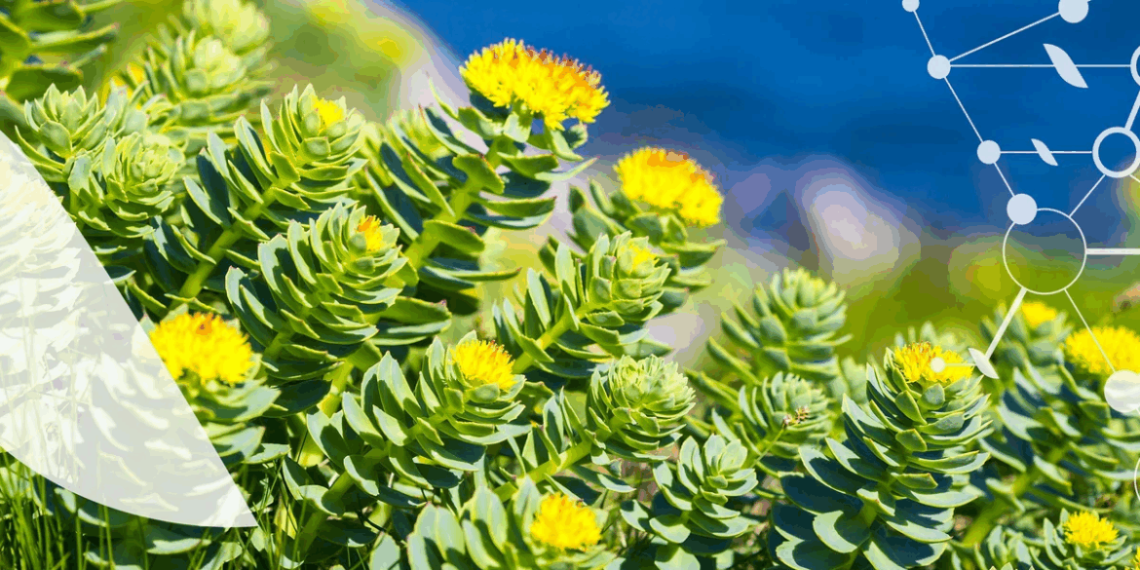
In an increasingly hectic and stressful world, adaptogenic plants have begun to be more appreciated for their ability to help the body cope with physical, mental, and emotional stress. These plants have been used for centuries in traditional Chinese, Ayurvedic, and Russian medicine, but in recent years they have been intensively studied by modern medicine. Their main role is to normalize the body’s functions, bringing balance where needed: whether it concerns the adrenal glands, the nervous, hormonal, or immune systems.
What Are Adaptogenic Plants?
Adaptogenic plants are natural substances (plants, mushrooms, or extracts from them) that help the body adapt to stress and regulate physiological functions. An adaptogen must meet three essential criteria:
- It must be non-toxic in normal doses;
- It must increase the nonspecific resistance of the body to a wide variety of stress factors;
- It must have a normalizing effect on the body, regardless of the nature of the physiological deviation (hypo or hyperactivity).
These plants do not artificially stimulate but rather rebalance functions without affecting healthy systems.
The Most Well-Known Adaptogenic Plants and Their Benefits
1. Rhodiola rosea (Golden Root)
- Rhodiola is considered one of the most effective adaptogenic plants for stress, fatigue, and depression.
- It contains active compounds such as rosavins and salidroside, which modulate the hypothalamic-pituitary-adrenal axis, reducing cortisol levels.
- Rhodiola improves concentration, memory, and physical endurance.
- It is also useful in reducing burnout symptoms, according to several recent studies.
- It supports heart function under stress conditions and improves cellular oxygenation.
Study: A study published in Phytomedicine (2009) evaluated the effects of Rhodiola on mental stress and fatigue in general practitioners. Over a period of 2 weeks, participants who received Rhodiola extract reported a significant improvement in their overall condition, reduced mental fatigue, and increased work capacity. The study demonstrated a real reduction in salivary cortisol levels and an increase in tolerance to psychological stress. Researchers concluded that Rhodiola has significant effects on reducing chronic stress without serious side effects.
2. Ashwagandha (Withania somnifera)
- It is one of the most studied Ayurvedic plants, often referred to as Indian ginseng.
- It has strong anxiolytic, sedative, and rebalancing effects on stress hormones.
- It reduces anxiety and promotes restful sleep.
- It helps regulate the thyroid (especially in subclinical hypothyroidism).
- It supports the immune system and may increase testosterone levels in men.
Study: A study in Journal of Clinical Psychiatry (2012) evaluated the efficacy of Ashwagandha in treating anxiety. Participants received 300 mg of Withania somnifera extract daily for 60 days. The group that received the plant reported a 44% reduction in perceived stress levels (PSS score), compared to only 5% in the placebo group. Furthermore, cortisol levels significantly decreased, confirming the balancing effect of the plant. No significant adverse reactions were observed.
3. Ginseng (Panax ginseng)
- It has been used for thousands of years to increase energy, vitality, and mental resilience.
- It contains ginsenosides that improve cellular oxygenation and hormonal balance.
- It increases the ability to adapt to stress and stimulates physical performance.
- It helps reduce chronic fatigue and enhances cognitive activity.
- It may contribute to lowering blood sugar and systemic inflammation.
Study: Published in American Journal of Chinese Medicine (2010), a randomized clinical study demonstrated that Panax ginseng, administered for 4 weeks, improved cognitive performance and mood in healthy adults. An improvement in selective attention and a decrease in fatigue scores were noted. Participants reported more energy and better concentration. Ginsenosides appear to act on GABA receptors and the dopaminergic system, explaining the complex adaptogenic effects.
4. Schisandra chinensis
- Known as the five-flavor fruit, it is an adaptogenic plant used in Chinese medicine.
- It supports the liver, protects liver cells, and increases resistance to physical effort.
- It improves respiratory function and concentration capacity.
- It is considered an excellent tonic for longevity.
- It also has antioxidant and anti-inflammatory effects.
Study: An article in Journal of Ethnopharmacology (2008) analyzed Schisandra extracts on athletes subjected to intense effort. A significant increase in physical performance and a reduction in muscle recovery time were observed. Additionally, the plant increased tolerance to oxidative stress by raising levels of peroxidase and superoxide dismutase. These enzymes play a key role in protecting the body against cellular damage under stress conditions.
5. Tulsi (Holy Basil, Ocimum sanctum)
- It is a sacred plant in India, used both as an adaptogen and for strengthening immunity.
- It reduces anxiety, blood pressure, and cortisol levels.
- It has beneficial effects on the respiratory and cardiovascular systems.
- It helps in cases of respiratory infections and chronic fatigue.
- It is also recommended for supporting adrenal health.
Study: A study published in Evidence-Based Complementary and Alternative Medicine (2017) followed the effects of holy basil on 60 patients with stress and anxiety. After 6 weeks of Tulsi extract administration, patients showed a significant improvement in mood and a reduction in anxiety (decrease in GAD-7 score). Improvements in sleep quality and increased daytime energy were also recorded. The study confirmed the safety of the plant for daily administration.
General Contraindications of Adaptogenic Plants
- Pregnant or breastfeeding women should consult a doctor before administration.
- Some adaptogens (e.g., ginseng, Rhodiola) may interact with treatments for hypertension, diabetes, or antidepressants.
- They may exacerbate autoimmune disorders (especially Ashwagandha).
- Long-term administration without breaks may reduce efficacy or cause hormonal imbalances.
- Simultaneous administration of multiple adaptogens without medical advice is not recommended.
Conclusion
Adaptogenic plants represent a valuable natural resource for maintaining balance in the face of daily stress. Unlike classic stimulants, they do not force the body but help it adapt and function optimally. However, it is essential to choose them correctly, based on personal needs and health status, ideally with the support of a specialist in phytotherapy.
Sources:
- Phytomedicine A randomized trial of two different doses of a SHR-5 Rhodiola rosea extract versus placebo in the treatment of mild to moderate depression
- Journal of Clinical Psychiatry Withania somnifera and anxiety: a double-blind placebo-controlled study
- American Journal of Chinese Medicine Panax ginseng improves cognitive performance in young adults
- Journal of Ethnopharmacology Effects of Schisandra chinensis on endurance capacity and antioxidant status
- Evidence-Based Complementary and Alternative Medicine Evaluation of Ocimum sanctum in generalized anxiety disorder: a randomized, double-blind trial




