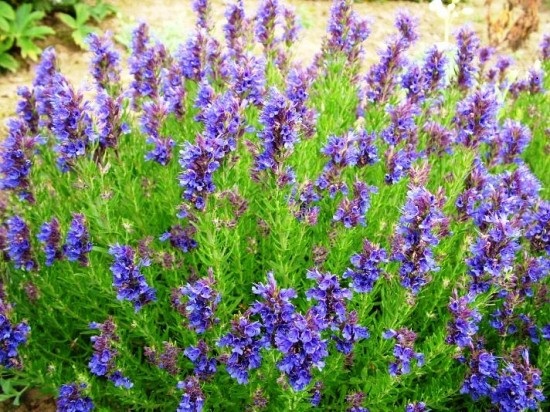
Hyssop (Hyssopus officinalis) is an aromatic medicinal plant known since ancient times for its effects on the respiratory system. Used in both traditional medicine and modern phytotherapy, hyssop tea is a remedy that supports lung function and helps alleviate respiratory discomfort. It contains active compounds such as flavonoids, tannins, phenolic acids, and volatile oils rich in pinocamphone and isopinocamphone, which act on the respiratory pathways.
Benefits of Hyssop Tea on the Respiratory System
1. Thins and Eliminates Mucus
Hyssop tea helps to thin mucus and promotes expectoration, reducing the feeling of bronchial congestion. The expectorant action is due to the volatile oils and flavonoids, which stimulate the movement of cilia in the respiratory tract. Regular consumption of hyssop tea can accelerate the elimination of secretions accumulated in the bronchi, reducing the feeling of chest tightness. This action is especially observed in colds, respiratory viruses, and bronchitis. It also helps prevent the stagnation of secretions that can favor infections.
2. Soothes Throat and Respiratory Tract Irritations
The phenolic compounds and tannins in hyssop have local anti-inflammatory effects, reducing the sensation of burning or irritation in the throat. The warm infusion acts as a natural balm, hydrating dry mucous membranes and diminishing dry cough. Hyssop tea is often used as an adjunct in laryngitis and tracheitis. Additionally, inhaling the steam from hot tea can enhance the soothing effect on irritated mucous membranes.
3. Helps with Persistent Cough Crises
Due to its relaxing effect on the smooth muscles of the bronchi, hyssop has an antispasmodic effect, reducing episodes of coughing. The essential oils in its composition interact with nerve receptors in the respiratory tract, diminishing the cough reflex. This effect is particularly useful in dry and irritating coughs, which can be exhausting. Regular consumption of hyssop tea aids in faster recovery after colds and flu.
4. Supports Immunity in Respiratory Infections
Hyssop tea contains antioxidants and antimicrobial compounds that support the immune system in fighting viruses and bacteria. Recent studies have shown that hyssop extracts can inhibit the development of certain respiratory pathogens. This effect is enhanced when the tea is combined with honey and lemon, creating a beneficial mixture for colds and flu.
5. Improves Breathing in Mild Asthma and Allergies
Hyssop can relax the bronchial muscles, which helps improve airflow. Its anti-inflammatory action may contribute to reducing the hyperreactivity of the respiratory tract. Drinking hyssop tea can be useful as an adjunct for individuals suffering from mild asthma or respiratory allergies. However, it should not replace treatments recommended by a doctor.
6. Promotes Detoxification of the Respiratory Tract
Hyssop tea stimulates the natural healing processes of the lungs, eliminating impurities accumulated due to pollution or exposure to smoke. The active substances help regenerate affected respiratory mucous membranes. In combination with proper hydration, the tea can support the long-term health of the lungs.
7. Antiviral and Antibacterial Action
The volatile oils in hyssop have been studied for their antiviral and antibacterial effects. They can limit the spread of pathogens in the respiratory tract. This action makes hyssop tea a natural adjunct in preventing seasonal respiratory infections.
8. Calming and Relaxing Effect
Hyssop tea not only supports the lungs but also has a relaxing effect on the entire body. By reducing stress and relaxing the nervous system, it indirectly contributes to improved breathing. It is recommended to consume it in the evening to promote restful sleep, especially during periods of nighttime coughing.
Recent Studies and Research
A study published in Journal of Ethnopharmacology showed that hyssop extracts have antiviral activity against influenza and parainfluenza viruses, due to their high content of flavonoids and phenolic compounds. Researchers observed that administering hyssop-based infusions reduced the severity of respiratory symptoms in patients with moderate infections.
In another study conducted by the Department of Pharmacognosy, University of Szeged (Hungary), it was demonstrated that hyssop essential oil has bronchodilator and antispasmodic effects, confirming its traditional use in bronchial ailments.
Additionally, a study conducted in Italy, published in Phytotherapy Research, indicated that administering hyssop extracts stimulated the elimination of bronchial secretions, reducing episodes of persistent cough.
How to Prepare Hyssop Tea
- Ingredients: 1 tablespoon of dried hyssop, 250 ml of boiling water.
- Preparation: Pour boiling water over the dried plant, cover, and let steep for 7-10 minutes.
- Administration: Drink 2-3 cups a day, preferably unsweetened or with a little honey.
Contraindications
Hyssop tea is not recommended for pregnant women, as it may stimulate uterine contractions. People with epilepsy should avoid consumption, as the volatile oil of hyssop can trigger seizures. It is also not indicated for children under 5 years old or for individuals allergic to plants in the Lamiaceae family. Excessive consumption (more than 3 cups a day for long periods) may cause gastric irritation or nervousness.
Nutritional Table for Dried Hyssop (100 g)
| Composition | Quantity |
|---|---|
| Calories | 282 kcal |
| Proteins | 9.5 g |
| Total fats | 7.4 g |
| of which saturated fatty acids | 2.1 g |
| Carbohydrates | 40.0 g |
| of which sugars | 0.7 g |
| Dietary fiber | 37.0 g |
| Sodium | 55 mg |
| Calcium | 1,890 mg |
| Iron | 87.5 mg |
| Magnesium | 405 mg |
| Potassium | 1,250 mg |
| Zinc | 5.6 mg |
| Vitamin A (carotenoids) | 5,850 IU |
| Vitamin C | 22 mg |
| Vitamin K | 1,710 g |
| Essential oil (total) | 0.51% of mass |
| Main active compounds | Pinocamphone, isopinocamphone, flavonoids, tannins, phenolic acids |
- Values may vary slightly depending on soil, climate, and drying method.
- Due to the high content of essential oils, therapeutic doses are very small (12 g of plant per cup of tea).
- In tea form, the actual amount of nutrients consumed is much lower than that presented in the table, but therapeutic efficiency is due to bioactive substances soluble in water and volatile compounds extracted through infusion.
3 Traditional Recipes with Hyssop for Respiratory Ailments
1. Hyssop Syrup for Cough and Expectoration
Ingredients:
- 4 tablespoons of dried hyssop
- 500 ml of water
- 300 g of honey (or 200 g of agave syrup for diabetics)
Preparation Method:
- Boil the hyssop in the 500 ml of water for 10 minutes over low heat.
- Let the pot covered for another 15 minutes, then strain the liquid.
- After it has cooled slightly, add the honey and mix well until completely dissolved.
- Pour the syrup into a dark glass bottle and store it in the refrigerator.
Usage:
- Adults: 1 tablespoon 3 times a day, after meals.
- Children over 7 years: 1 tablespoon 2 times a day.
Effects:
This syrup soothes dry cough, promotes the elimination of secretions, and has mild antiseptic effects. Honey enhances the emollient action of hyssop and strengthens immunity. It can also be administered as a preventive measure during the cold season.
2. Inhalation with Hyssop for Congestion and Blocked Sinuses
Ingredients:
- 2 tablespoons of dried hyssop
- 1 liter of boiling water
- 1 large towel
Preparation Method:
- Place the plant in a wide bowl and pour boiling water over it.
- Cover your head with the towel and lean over the bowl, inhaling the steam for 5-10 minutes.
- Repeat 1-2 times a day for 3-5 days, as needed.
Effects:
This method clears the nasal passages and bronchi, reduces sinus inflammation, and helps decongest the mucous membranes. The hyssop vapors penetrate deep into the respiratory tract, having disinfectant and soothing effects.
3. Cold Maceration for Chronic Respiratory Inflammations
Ingredients:
- 2 tablespoons of dried hyssop
- 250 ml of cold water
Preparation Method:
- Add the plant to cold water and let it macerate for 8-12 hours (overnight).
- The next day, strain and consume the liquid at room temperature.
Usage:
- Can be consumed in the morning on an empty stomach for 10-14 days.
Effects:
Cold maceration is gentler on the stomach and preserves volatile compounds sensitive to temperature. It is useful in chronic inflammations, persistent bronchitis, or sensitive throat, having anti-inflammatory and immunomodulatory action.
Contraindications for These Recipes:
- Do not use these preparations during pregnancy or breastfeeding.
- Avoid use in children under 5 years old.
- If you have epilepsy, consult a doctor before administration as hyssop may contain pinocamphone, which has neuroactive effects.
- Do not combine with other bronchodilator treatments without a doctor’s approval.
- Do not consume for more than 3 consecutive weeks without a break.
Sources:
- Journal of Ethnopharmacology Hyssopus officinalis: ethnobotany and therapeutic potential
- Phytotherapy Research Antitussive and anti-inflammatory effects of Hyssop extract
- University of Szeged, Department of Pharmacognosy Essential oil profile and biological activity of Hyssopus officinalis




