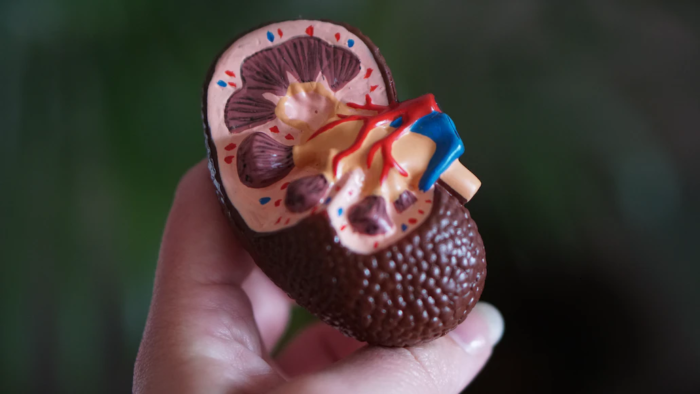
The kidneys and skin are two organs that are deeply interconnected. When the kidneys fail to effectively eliminate toxins from the body, the skin often becomes the place where the body tries to compensate for the result: acne, rashes, dull complexion, or inflammation. This is why renal detoxification has visible effects on the skin as well. A tea made from three plants with diuretic, anti-inflammatory, and detoxifying properties can have a major impact in a short period of time—just 10 days.
Ingredients for this tea:
- Horsetail (Equisetum arvense)
- Corn silk (Zea mays)
- Birch leaves (Betula pendula)
Benefits of the tea for kidneys and skin:
1. Stimulates toxin elimination through the kidneys
This blend of plants has a strong natural diuretic effect, increasing the amount of urine eliminated daily. Through this mechanism, the kidneys are helped to filter the blood more efficiently, eliminating urea, creatinine, and other residual compounds. Horsetail is particularly effective in this regard due to its content of silicon and flavonoids. In just a few days, a reduction in the feeling of heaviness in the lower back and a regulation of fluid transit can be observed. Kidney cleansing is reflected throughout the body, including at the skin level.
2. Reduces mild renal inflammation
Birch leaves contain compounds with anti-inflammatory action such as betulin, which acts directly on inflamed renal tissue. This effect is especially useful in cases of mild inflammation caused by water retention, a diet high in salt, or a sedentary lifestyle. The plants help soothe irritated tissues and prevent the accumulation of sediments that can lead to the formation of kidney stones. After 10 days, a reduction in lower back pain caused by renal tension can be observed. Chronic renal inflammation is often invisible, but a plant detox can temper it.
3. Improves skin clarity and brightness
When the kidneys function properly, the blood is filtered efficiently, which reduces the skin’s burden with toxins eliminated through the skin. The result is a cleaner complexion, with less dilated pores and a more even color. After just one week of consumption, some individuals notice a reduction in small blemishes or local inflammation. The skin takes on a smoother and brighter appearance, as it no longer has to compensate for toxin elimination. This is an indirect effect, but extremely valuable for those facing recurring skin issues.
4. Prevents the formation of kidney stones
The components in corn silk and horsetail help dissolve mineral deposits in formation. This is essential in preventing early-stage kidney stones (sand). With regular consumption, the plants slightly modify the composition of urine, making it less favorable for crystal formation. Additionally, increased urine flow helps eliminate elements that could form aggregates. After 10 days, many people report a feeling of clearer urination and elimination without discomfort. Prevention is essential for maintaining long-term kidney health.
5. Supports the skin in cases of acne or chronic irritation
The accumulation of toxins in the blood is a commonly overlooked factor in triggering acne. The tea acts indirectly by supporting renal drainage, leading to more efficient blood cleansing. After 7 to 10 days, the skin becomes visibly calmer and less congested. Corn silk contains mucilages that can also help reduce systemic inflammation slightly. Individuals prone to blemishes on the back or arms notice an improvement. It is an internal remedy that helps treat external problems.
What do studies say?
1. Study published in Frontiers in Pharmacology (2021) Diuretic and anti-inflammatory effects of Equisetum arvense extract
This study demonstrated the diuretic effect of horsetail by increasing urine volume and decreasing water retention. The research was conducted on a group of volunteers who consumed standardized horsetail extract for 10 days. A higher elimination of sodium and potassium was observed without affecting the electrolyte balance. Additionally, markers of systemic inflammation (such as CRP) were slightly reduced. The authors suggest that the plant can be used for natural kidney cleansing without risks. The study also highlights its potential in preventing mild urinary infections.
2. Study from Journal of Ethnopharmacology (2019) Zea mays L. silk: Traditional uses, phytochemistry and pharmacological activities
This scientific review analyzed the composition of corn silk and its therapeutic effects. Among the confirmed benefits are diuretic, anti-inflammatory, and hepatoprotective actions. Researchers showed that the flavonoids in the plant help eliminate excess urea and uric acid from the body. Moreover, the diuretic effect is mild but consistent, without overloading the kidneys. The study also highlights its benefits for the skin by improving overall metabolism. It is recommended in short detoxification courses, alongside other compatible plants.
Contraindications
- Not recommended for individuals with chronic or acute renal insufficiency without medical advice.
- Pregnant or breastfeeding women should avoid consumption without a doctor’s recommendation.
- Individuals with low blood pressure should be cautious due to the diuretic effect.
- Should not be combined with diuretic medications without medical supervision.
- Cleanses should not exceed 10 consecutive days, followed by a 2-week break.
Preparation method
Mix equal quantities of the three dried plants.
Dosage: 1 tablespoon of the mixture per 250 ml of boiling water.
Infusion: 10-12 minutes, then strain.
Administration: 2-3 cups per day for 10 days. It can be consumed plain or slightly sweetened with a bit of honey.




