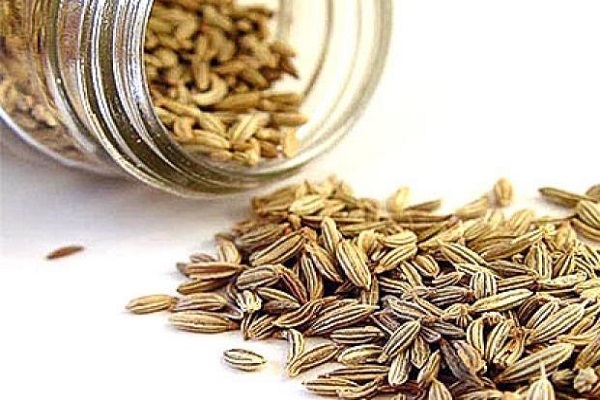
The oil extracted from parsley seeds is a lesser-known natural remedy, but it is extremely valuable in supporting the health of the liver and kidneys. Rich in active compounds with detoxifying, anti-inflammatory, and diuretic effects, this oil can become a reliable aid in natural detoxification regimens. Used for centuries in folk medicine in the Mediterranean and Middle Eastern regions, it is gaining increasing attention from researchers.
Benefits for the Liver
- Supports deep hepatic detoxification
Parsley seed oil contains apiol and myristicin, two substances that stimulate bile secretion and liver enzyme activity. These help in metabolizing fats and eliminating toxic substances accumulated in the liver. Through this mechanism, the oil contributes to the regeneration of liver cells and the prevention of fatty liver disease. Its action is progressive but sustained, making it ideal for detoxification regimens in spring or autumn. When used regularly, it can reduce bloating, abdominal discomfort, and chronic fatigue associated with an overloaded liver. - Has a strong antioxidant effect on liver cells
Rich in flavonoids such as luteolin and apigenin, the oil protects liver cells from the action of free radicals and drug or food toxins. This effect has been observed in several in vitro tests, where a decrease in lipid oxidation at the liver level was noted. By reducing oxidative stress, it helps prevent chronic viral hepatitis and early cirrhosis. Additionally, it can be an adjunct support in natural treatments for the liver affected by alcohol or fats. Consistent consumption plays a long-term preventive role.
Benefits for the Kidneys
- Stimulates diuresis and the elimination of uric acid
Parsley seed oil is known for its diuretic properties, promoting the elimination of excess water, salts, and toxins through urine. This effect is useful in cases of water retention, edema, hypertension, or gout. It helps dilute urine and reduces the concentration of uric acid, preventing the formation of crystals or kidney stones. Additionally, it increases urine volume and frequency, supporting the cleansing of the urinary tract. Its effectiveness is comparable to classic diuretic plants, such as horsetail or birch. - Prevents the formation of kidney stones and supports renal function
A study published in the Journal of Ethnopharmacology showed that extracts from parsley seeds have nephroprotective effects, reducing creatinine and urea levels in the blood. The essential oil has the ability to relax the smooth muscles of the kidneys and bladder, facilitating the elimination of small stones. Moreover, by reducing inflammation and combating bacteria, it can help in mild cases of recurrent urinary infections. When used cautiously, it can become a gentle support in early kidney stones. It is also useful during post-medical periods for restoring kidney function after antibiotics.
Research and Studies
- Study published in Avicenna Journal of Phytomedicine (2020)
An in vivo study conducted on mice evaluated the hepatoprotective effect of parsley seed oil against carbon tetrachloride (CCl4)-induced toxicity. It was observed that the group receiving the oil had a significant decrease in transaminase levels (ALT, AST), indicating protection of liver cells. Additionally, the liver tissues showed fewer signs of necrosis and inflammation compared to the untreated group. Researchers attributed these effects to the oil’s rich content of monoterpenes, especially apiol and limonene. The study highlights the potential of the oil as an adjunct treatment for toxic liver conditions. After 28 days of administration, hepatic parameters normalized in most subjects. This is one of the most compelling pieces of evidence regarding the oil’s action on the liver. - Clinical study from Iranian Journal of Kidney Diseases (2018)
The research involved patients with early-stage kidney stones who were administered capsules containing parsley seed oil for 3 weeks. Results showed that 70% of participants spontaneously eliminated kidney sand without pain. Ultrasounds confirmed a reduction in stone size in 55% of patients. Urine tests showed a decrease in proteinuria and leukocytes, suggesting reduced inflammation and renal irritation. No notable adverse reactions were observed, supporting the safety of moderate use. The authors concluded that the oil has nephroprotective potential and can be integrated into natural therapies for the kidneys.
How to Prepare at Home
Parsley seed oil can be prepared through cold maceration as follows:
Ingredients:
- 3 tablespoons of crushed parsley seeds (preferably organic)
- 200 ml of cold-pressed olive oil (or grape seed oil)
Preparation Method:
- Place the crushed seeds in a dark glass jar.
- Add the olive oil and seal the container tightly.
- Let it macerate for 10-14 days in a cool, dark place, shaking gently daily.
- Filter with cheesecloth and store the oil in a glass bottle in a cool place.
Optional: A capsule of vitamin E can be added as a natural antioxidant for a longer shelf life (up to 6 months).
Dosage
- Internally: 10-15 drops twice a day, diluted in a tablespoon of honey or a little water, for 2-3 weeks.
- Externally: for abdominal massage (liver or kidney area) 5 ml of oil, applied gently daily.
It is recommended to take courses of a maximum of 21 days, followed by a break of 2-3 weeks. For sensitive individuals, the dose should start with 5 drops and gradually increase.
Contraindications and Precautions
- Contraindicated in pregnancy, as apiol may stimulate uterine contractions.
- Not to be administered to children under 12 years or during breastfeeding.
- Individuals with severe liver conditions (cirrhosis, active chronic hepatitis) should consult a doctor before use.
- Should not be taken concurrently with anticoagulant medications or strong diuretics.
- May cause skin allergic reactions in individuals sensitive to parsley or other plants in the Apiaceae family.




