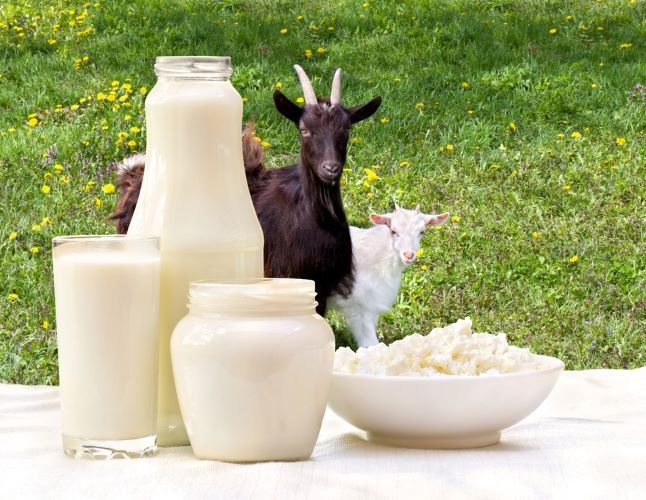
Few know that goat milk is not only a nutritious food but also a traditional remedy with beneficial effects on the lungs. When consumed regularly, this type of milk can support lung function, especially during the cold season when respiratory infections are common. Over time, in mountainous areas, it was used to strengthen the body against coughs, bronchitis, or tuberculosis. Modern research is beginning to confirm what folk medicine has known for generations. Let’s find out together what studies say, how goat milk acts on the lungs, and who should avoid it.
Benefits of Goat Milk for Lungs
1. Supports the regeneration of the pulmonary mucosa
Goat milk is rich in short and medium-chain fatty acids, which have the ability to soothe and restore the irritated mucosa of the respiratory tract. These acids contribute to reducing bronchial inflammation and facilitate the elimination of secretions. Unlike cow’s milk, goat milk is easier to digest, and its components quickly enter the bloodstream, reaching the tissues. Mucosal regeneration is essential in cases of chronic bronchitis or after strong viral infections. Regular consumption of goat milk can accelerate recovery and reduce episodes of persistent cough.
2. Contains nutrients with immunomodulatory roles
Goat milk provides essential vitamins for the lungs: A, D, B12, and minerals such as selenium and zinc. Vitamin A helps maintain the health of the respiratory epithelium, while vitamin D contributes to balanced immunity, preventing excessive inflammation. Selenium and zinc are known for their role in supporting immune function at the pulmonary level. A well-nourished body with these micronutrients will fight more effectively against viruses and bacteria that affect the respiratory system. Thus, goat milk not only nourishes but also supports the lungs.
3. Helps combat persistent cough
Traditionally, goat milk is administered warm, with honey and sometimes a little butter, as a remedy against cough. Its components have an emollient effect on the throat and bronchi, reducing cough spasms. It can also thin mucus, aiding in its elimination. Especially in cases of dry or irritating cough, warm goat milk can provide relief. Regular consumption, in courses of a few days, can reduce the intensity and frequency of coughing. Favorable reactions occur more quickly when combined with natural honey from linden or acacia.
4. May support recovery in tuberculosis and chronic lung diseases
Goat milk has been used in the past as an adjunct in the treatment of pulmonary tuberculosis, due to its high calorie and protein content. It helps restore affected tissues and provides the energy needed for a weakened body. Although it is not a standalone treatment, it can contribute to faster recovery. It is also useful in pulmonary emphysema, asthma, or COPD (chronic obstructive pulmonary disease), where the intake of anti-inflammatory nutrients is vital. Some natural clinics in Europe still use fresh goat milk therapy in such cases.
5. Easy to digest and tolerated by sensitive individuals
For many patients with lung conditions, difficult digestion is a problem, and goat milk comes as a solution. Its proteins and fats are easier to metabolize than those in cow’s milk, which means less effort for the body. Thus, it can be consumed by weakened individuals, in convalescence, or with other chronic diseases. It is suitable even for children and the elderly, who need quality intake but gentle on the digestive system.
What do studies say about goat milk and lungs?
A study published in Journal of Medicinal Food (2019) showed that proteins in goat milk have systemic anti-inflammatory effects and can reduce inflammatory biomarkers at the pulmonary level. Researchers administered goat milk extracts to animals with induced lung inflammation and observed a significant reduction in inflammation compared to the control group. This suggests a possible application in human respiratory ailments. Furthermore, the study indicates that goat milk may stimulate the production of glutathione, an essential antioxidant in lung protection.
Another study conducted by the Department of Nutritional Sciences in Spain (2020) highlighted that goat milk stimulates the pulmonary immune system among children predisposed to respiratory infections. After an 8-week consumption period, a reduction in the number of cough and cold episodes was observed. The study concludes that goat milk has superior immunomodulatory effects compared to cow’s milk, due to its content of oligosaccharides and natural immunoglobulins.
Additionally, Italian researchers (University of Naples) analyzed the impact of goat milk on the lungs in the context of respiratory allergies. They observed that goat milk reduces bronchial hyperreactivity and normalizes the inflammatory response when exposed to allergens. This means that individuals with allergic asthma could benefit from moderate consumption of goat milk.
Contraindications
- Allergy to milk proteins – individuals diagnosed with an allergy to goat milk protein should avoid consumption.
- Severe lactose intolerance – although it has less lactose than cow’s milk, goat milk can still cause digestive reactions.
- Advanced kidney conditions – due to its protein content, it may overstrain the kidneys.
- Infants under 1 year – it is not recommended as a sole source of milk for infants due to the risk of nutritional deficiencies.
- Strict vegan diet – being an animal product, it is not suitable for those following an exclusively plant-based diet.
Sources:
- Journal of Medicinal Food – Goat Milk Protein Attenuates Lung Inflammation in Experimental Models
- Department of Nutritional Sciences, Spain – Goat Milk Consumption Reduces Respiratory Infections in Children
- University of Naples – Anti-Allergic Effects of Goat Milk in Asthmatic Subjects




