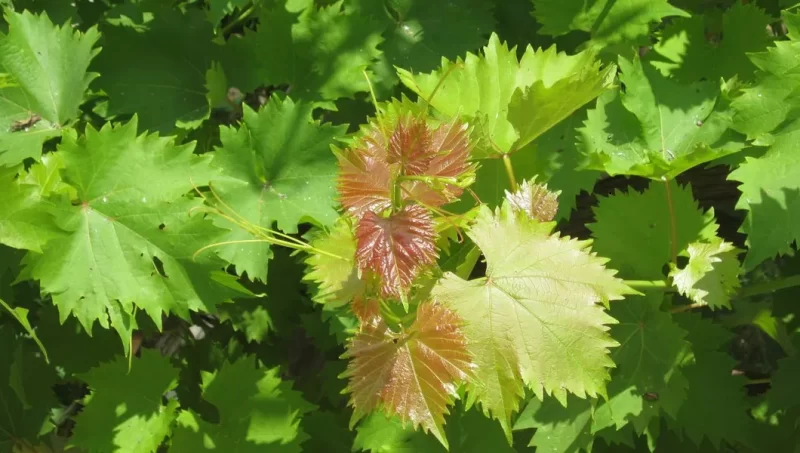
Grape leaves, often overlooked in favor of grapes, hide a treasure of active substances with powerful therapeutic effects. Rich in flavonoids, tannins, organic acids, and antioxidants, the leaves, especially the red ones, are used in natural medicine to improve circulation, reduce inflammation, and protect the skin. The tea made from these leaves can become a reliable ally for vascular and aesthetic health if consumed regularly and in the right doses.
Benefits of Grape Leaf Tea
1. Supports the health of blood vessels and capillaries
Grape leaf tea is known for its venotonic effect, meaning it strengthens the walls of blood vessels and makes them more elastic. This is extremely important for preventing varicose veins, hemorrhoids, and other chronic circulatory problems. Flavonoids such as quercetin and rutin found in red grape leaves have the ability to reduce capillary permeability and prevent the rupture of small vessels. Studies have shown that extracts from red grape leaves can significantly reduce symptoms of chronic venous insufficiency, such as pain, heaviness in the legs, and swelling. Regular consumption of the tea improves peripheral microcirculation, especially in the lower limbs.
2. Alleviates inflammation and joint pain
Grape leaves contain tannins and compounds with natural anti-inflammatory properties that can reduce inflammation in the joints. The tea made from these leaves has a calming effect and can be useful in cases of rheumatism, arthritis, or gout. The active substances act both locally when applied as compresses and internally by reducing the levels of inflammatory cytokines. Interestingly, popular traditions in the Balkans and the Mediterranean region have used grape decoctions for muscle and joint pain for centuries. Long-term consumption of this tea can lead to a reduction in episodes of chronic inflammation and recurring pain.
3. Protects and regenerates the skin
The antioxidants in grape leaves help combat oxidative stress, one of the main factors that accelerate skin aging. The tea helps maintain skin elasticity and can prevent the appearance of spots, dryness, or irritation. Additionally, extracts from grape leaves stimulate collagen synthesis, supporting cellular regeneration. Local baths or compresses with this tea can soothe irritated skin or skin affected by eczema, dermatitis, or sunburn. Furthermore, internal consumption aids in detoxifying the body, which positively reflects on the skin’s appearance.
4. Reduces edema and water retention
Due to its mild diuretic effect and strengthening of capillary walls, grape leaf tea is effective in combating water retention and peripheral edema. This is especially useful for people who stand for long periods, suffer from venous insufficiency, or have poor circulation. The tea aids in lymphatic drainage and reduces the feeling of heaviness and swelling in the limbs. Additionally, its action on the venous system contributes to the more efficient elimination of fluids accumulated in tissues. It is recommended to take this tea in courses of 2-3 weeks, especially in summer or during sedentary periods.
5. Supports liver health and detoxification
Grape leaves have a composition rich in organic acids and flavonoids that stimulate liver activity and support natural detoxification processes. These substances help neutralize free radicals and eliminate toxins through urine. The tea has a mild choleretic effect, promoting bile secretion and fat digestion. Additionally, the content of polyphenols contributes to the regeneration of liver cells and protects against oxidative stress in the liver. It is useful in seasonal detoxification courses or during periods of liver overload, such as after prolonged medication treatments.
6. Reduces the risk of thrombosis and clot formation
By improving blood flow and reducing vascular inflammation, grape leaves contribute to the prevention of blood clot formation. This effect is enhanced by the presence of flavonoids and antioxidants that inhibit excessive platelet aggregation. Regular consumption of grape leaf tea can reduce the risk of thromboembolism, especially in sedentary individuals or those with a genetic predisposition. Additionally, the general anti-inflammatory action helps maintain a healthy and balanced circulatory system. It is important to note that this tea should not be combined with anticoagulants without medical advice.
Relevant Studies and Research
A study published in Phytotherapy Research (2010) evaluated the efficacy of red grape leaf extract in patients with chronic venous insufficiency. The research included 260 individuals and demonstrated a significant reduction in edema, pain, and the feeling of heaviness in the legs after 6 weeks of treatment. The extract used was standardized in flavonoids, particularly quercetin and isoquercetin, two compounds known for their effects on microcirculation.
Another study conducted by the University of Freiburg (Germany) showed that daily administration of grape leaf extract for 8 weeks reduced symptoms of venous disease by up to 50%. Researchers also noted an improvement in capillary elasticity and a decrease in the levels of inflammatory interleukins in the blood. Animal model studies have confirmed the anti-inflammatory and antioxidant effects of this extract, supporting the use of the leaves in tea form for therapeutic purposes.
Preparation and Consumption Method
Ingredients:
- 1 tablespoon dried grape leaves (preferably red)
- 250 ml boiling water
Preparation method:
- Place the leaves in a cup or pot.
- Pour boiling water over them.
- Cover the vessel and let it steep for 10-15 minutes.
- Strain and consume warm.
Recommended administration:
- 2 cups can be consumed daily, in the morning and evening, for 2-3 weeks.
- A course of 3 weeks can be followed by a break of 1 week.
Contraindications and Precautions
- Consumption is not recommended for individuals undergoing anticoagulant treatments without medical approval.
- It may interact with medications for hypertension or diuretics.
- Not recommended during pregnancy or breastfeeding without medical advice.
- May cause gastric discomfort in sensitive individuals.
- In cases of severe liver conditions, consult a doctor before administration.




