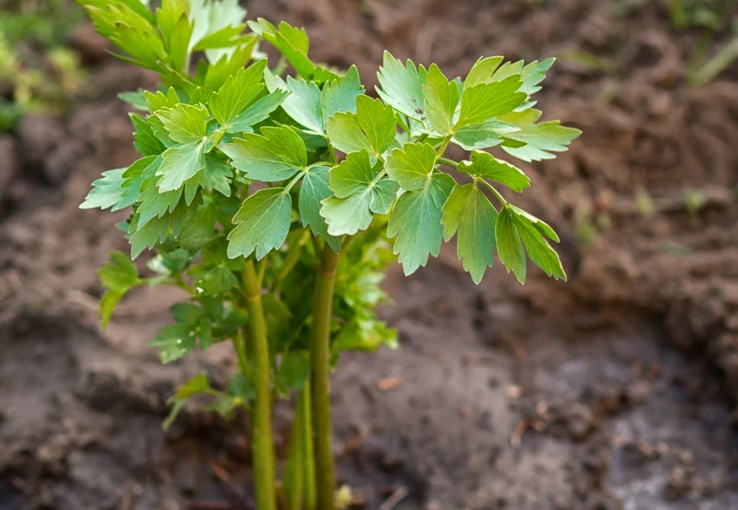
Lovage (Levisticum officinale), known in Romanian cuisine for its intense aroma, hides a true therapeutic treasure when transformed into tincture. Its leaves and root are used in natural medicine for their diuretic, depurative, and anti-inflammatory properties. The tincture obtained from this plant acts deeply on the blood and kidneys, purifying, protecting, and supporting the vital functions of the body.
Lovage Tincture Recipe
Ingredients:
- 50 g lovage root (dried and crushed)
- 250 ml food-grade alcohol (40-45%) or vodka
- A dark glass jar
Preparation Method:
- Place the lovage root in a clean glass jar.
- Pour the alcohol over the plant, ensuring it is completely covered.
- Seal tightly and let it macerate for 14 days in a cool, dark place.
- Shake the jar daily to facilitate the extraction of active principles.
- After 14 days, strain the liquid through cheesecloth or a coffee filter.
- Store the tincture in dark glass bottles in a cool place.
Administration Method
- For adults: 30 drops, 3 times a day, diluted in a glass of water or tea, 15 minutes before meals.
- Duration of the treatment: 3-4 weeks, followed by a 10-day break. The treatment can be repeated 2-3 times a year.
- External use: Can be applied locally for edema or joint inflammation, in the form of compresses (5 ml tincture diluted in 50 ml water).
Benefits of Lovage Tincture
1. Blood Purification and Toxin Elimination
Lovage contains active compounds such as phthalides, flavonoids, and essential oils that stimulate the kidneys and promote the elimination of residual metabolic products. Through its moderate diuretic effect, it contributes to the detoxification of the body without affecting the electrolyte balance. Blood purification occurs mainly by supporting renal function and draining lymph, a process in which lovage tincture acts profoundly. Studies have shown that extracts from lovage root can reduce creatinine and uric acid levels in the blood. Additionally, the bitter substances in the plant’s composition stimulate liver function, thus supporting the entire purification process.
2. Kidney Protection and Stimulation
The tincture helps prevent water retention and reduces the risk of kidney stone formation, due to its content of natural diuretic compounds. It acts as a renal tonic, promoting urinary flow and maintaining the cleanliness of the urinary tract. It is often recommended in cases of kidney sand, mild urinary infections, and recurrent cystitis. Furthermore, lovage contains lovagein, an active principle with antiseptic effects on the urinary tract. Regular administration of the tincture supports renal drainage and reduces tissue inflammation.
3. Reduction of Inflammation and Water Retention
Lovage is known for its mild anti-inflammatory action, which helps reduce edema and swelling. By eliminating excess fluids, it reduces pressure on joints, veins, and soft tissues. The tincture is often used in folk medicine for treating joint pain and swelling associated with venous insufficiency. Additionally, its diuretic effect contributes to the improvement of lymphatic circulation, preventing fluid accumulation in the peripheral areas of the body.
4. Stimulation of Digestion and Bile Secretion
Lovage contains bitter substances and essential oils that support digestive function and stimulate bile secretion. This effect promotes toxin elimination and improves nutrient absorption. Moreover, the tincture helps calm colic and bloating, being a useful adjunct in dyspepsia. Its carminative effect contributes to the reduction of intestinal gas and postprandial gastric discomfort. It is also a support for the liver, as it stimulates bile evacuation, thus facilitating fat digestion.
5. Support for the Respiratory System
Although less known, lovage also has expectorant and antitussive effects, due to the volatile oils it contains. The tincture can be useful in irritating coughs, mild bronchitis, and colds accompanied by nasal congestion. It helps to thin bronchial secretions and eliminate them, improving breathing. Some traditional sources recommend it in combination with thyme or pine bud teas for synergistic effects. Regular use during the cold season can strengthen the defense capacity of the respiratory tract.
Relevant Research and Studies
A study published in the Journal of Ethnopharmacology (2017) evaluated the effect of lovage extract on the renal and circulatory systems in laboratory rats. The results showed a significant reduction in creatinine levels and an increase in urinary flow, without electrolyte loss. The study concluded that the plant has promising potential in treating mild renal conditions and supporting natural diuresis.
In another study from Fitoterapia (2020), lovage was analyzed for its content of phthalides and volatile oils, compounds with antioxidant and anti-inflammatory activity. It was observed that the ethanolic extract (such as the tincture) has a significant effect on free radicals and reduces inflammatory markers in tested cells. This suggests that regular use of the tincture may have beneficial effects in combating oxidative stress.
Research conducted by the University of Warsaw (2022) showed that lovage contains phenolic compounds that have antimicrobial activity against bacteria involved in urinary infections, such as E. coli. The effect was particularly observed in extracts obtained with alcohol, supporting the use of the tincture in recurrent urinary conditions.
Contraindications and Precautions
- Not recommended during pregnancy and breastfeeding.
- Contraindicated for individuals with severe kidney diseases (chronic renal failure).
- Avoid in cases of acute inflammation of the kidneys or urinary tract.
- Individuals allergic to plants in the Apiaceae family (parsley, celery) should avoid it.
- May interact with diuretics or antihypertensive medications; consult a doctor if you are undergoing such treatments.
Sources
- Journal of Ethnopharmacology Diuretic and nephroprotective effects of Levisticum officinale root extract
- Fitoterapia Phytochemical composition and antioxidant properties of Levisticum officinale
- University of Warsaw Evaluation of antimicrobial properties of Lovage (Levisticum officinale) extract




