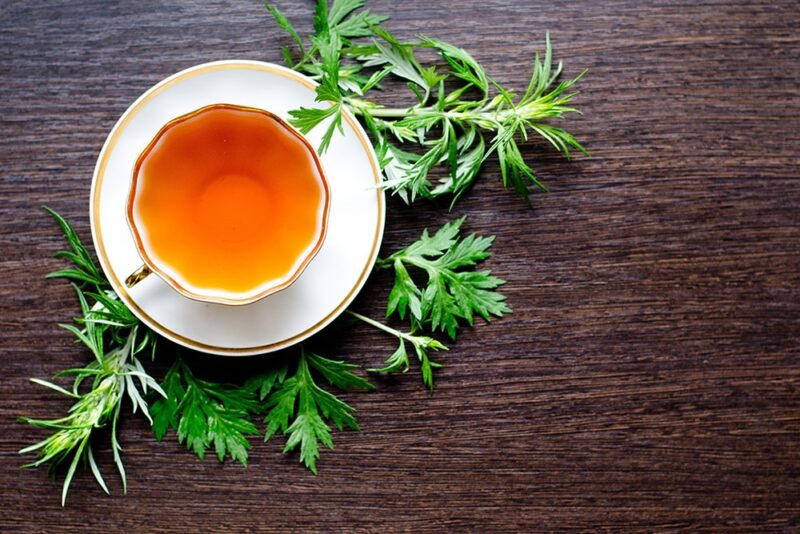
Wormwood tea is considered one of the strongest bitter remedies among European medicinal plants. With a long-standing tradition in folk medicine for digestive, parasitic, and hepatic ailments, wormwood must be used with great caution. An excessive dose or prolonged administration can lead to toxic effects on the nervous, digestive, and hepatic systems. Therefore, it is essential to know the correct doses, common mistakes, and studies that show both the benefits and risks of this tea.
Correct Doses for Wormwood Tea
- Recommended dose: 1 heaping teaspoon of dried plant (approx. 1 g) in 250 ml of boiling water.
- Infusion time: 5-7 minutes, then strain immediately.
- Frequency: Drink one cup per day for a maximum of 7 consecutive days.
- Breaks: After a 7-day course, a break of at least 2-3 weeks is mandatory.
- Avoid overdosing: Do not administer more than 1 g of dried plant per day.
Common Mistakes That Can Affect Health
1. Excessive or Long-term Use
Wormwood contains thujone, a neurotoxic substance in large doses. If consumed in large quantities or for more than 7 consecutive days, headaches, nausea, dizziness, and even concentration disturbances or insomnia may occur. In extreme cases, there have been reports of seizures or hepatic toxicity. This is one of the most common mistakes, believing that more means better does not apply to wormwood. In reality, small doses and short periods maximize benefits and minimize risks.
2. Incorrect Preparation of Tea (Decoction Instead of Infusion)
Some people boil wormwood, which is completely contraindicated. Decoction extracts a higher amount of thujone and other bitter substances that irritate the stomach and liver. Wormwood tea should be prepared strictly by infusion, meaning the plant is poured into boiling water and left to infuse for 5-7 minutes, no longer. Boiling can lead to severe digestive adverse reactions, including heartburn or colic. It is important to follow the correct preparation method to benefit from therapeutic effects without risks.
3. Use in Children, Pregnant or Nursing Women
Wormwood is not safe for children under 12 years old, pregnant women, and those who are nursing. Thujone is considered a potentially abortive and neurotoxic compound. Even in small doses, it can cause uterine contractions or neurological developmental disorders in infants. Therefore, these categories must completely avoid consuming wormwood tea. It is essential to always seek medical advice before use in such cases.
Benefits of Wormwood Tea (Only in Correct Doses)
1. Stimulates Bile Secretion and Supports Digestion
Wormwood is a bitter plant, which means it stimulates the secretion of gastric juices and bile, improving digestion. By increasing bile flow, it contributes to the efficient breakdown of fats in the diet. This effect makes it useful in cases of indigestion, bloating, a feeling of heaviness after meals, or lack of appetite. It also helps the liver function more efficiently. However, this effect occurs only in moderate doses, administered for a short term.
2. Has Antiparasitic Effect, Especially Against Pinworms and Giardia
Wormwood tea is recognized for its antiparasitic effect. The bitter substances and volatile compounds can create an unfavorable environment for the development of intestinal parasites. Some natural protocols include it in 5-7 day courses for pinworms, giardia, or tapeworms, but only under medical supervision. The antiparasitic action is more effective when combined with a sugar-free diet and complementary plants such as cloves and pumpkin seeds. In excessive doses, however, toxic effects may occur that outweigh the benefits.
3. Contributes to Reducing Fever and Flu Infections
In folk medicine, wormwood was used as a remedy for fever and flu, due to its antibacterial and antipyretic properties. The active substances can help the body fight infections, especially in the early stages. By stimulating sweating, it helps lower body temperature. However, this effect is moderate and does not replace conventional treatment in cases of severe infections. Additionally, wormwood should not be administered long-term for fever due to the aforementioned risks.
Scientific Studies and Research
A study published in Journal of Ethnopharmacology (2021) analyzed extracts of wormwood (Artemisia absinthium) and identified strong antibacterial, antifungal, and antioxidant properties. Researchers showed that these effects are due to active compounds such as artemisinin and essential oils. However, the study warned about the neurotoxic effects of thujone in large doses, highlighting the need for strict dose control in clinical applications.
In another study from Phytotherapy Research (2022), the potential of wormwood in combating intestinal parasites was highlighted. The study was conducted in vitro and showed that wormwood extract significantly reduces the motility of parasites in controlled environments. However, the authors noted that clinical efficacy depends on correct dosing and treatment duration.
A toxicological report published in Toxicology Letters (2018) drew attention to the risks of excessive consumption of wormwood, especially in the form of essential oil. Cases of seizures, hallucinations, and hepatotoxicity were documented following excessive use. These findings support the need for cautious use of the plant, only in safe formulas and precise doses.
Contraindications
- Pregnant or nursing women
- Children under 12 years old
- Individuals with severe liver conditions
- Patients with epilepsy or other neurological conditions
- Individuals with gastric ulcers or acute gastritis
Sources:
- Journal of Ethnopharmacology Pharmacological properties of Artemisia absinthium L.
- Phytotherapy Research Antiparasitic efficacy of Artemisia species in in vitro and in vivo models
- Toxicology Letters Neurotoxic and hepatotoxic effects of thujone in Artemisia absinthium oil




