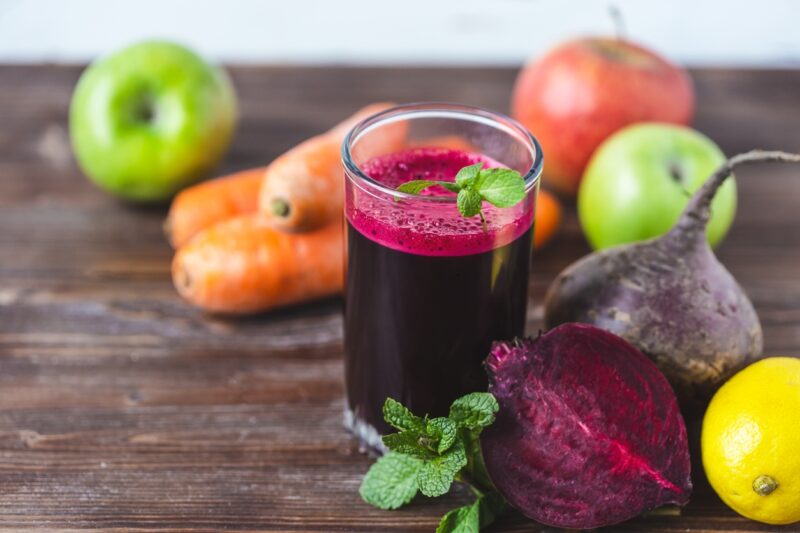
In a world where toxins accumulate rapidly from processed foods, stress, and pollution, our blood becomes increasingly burdened. The beet and carrot juice detox is one of the most effective natural methods to support the detoxification process and deeply oxygenate the body. The combination of these two vegetables not only provides an explosion of vitamins and antioxidants but also has real effects on blood quality and overall health. Here’s everything you need to know:
Benefits of Beet and Carrot Juice Detox
1. Deeply Purifies the Blood
Beet juice is a powerful blood purifier due to its high content of betaine, natural nitrates, and betalain pigments. These compounds stimulate the liver to process toxins more efficiently and eliminate them from the bloodstream. Carrots, rich in beta-carotene and soluble fiber, also support the liver and stimulate the gallbladder. The detox has visible effects on blood appearance, reducing viscosity and improving cellular oxygenation. The result is cleaner, more fluid blood capable of efficiently transporting nutrients and oxygen throughout the body.
2. Increases Cellular Oxygenation
Beets contain natural nitrates that, once converted to nitric oxide in the body, dilate blood vessels and increase oxygen flow to tissues. This property is supported by studies showing significant improvements in physical and cognitive performance following regular consumption of beet juice. Carrots contribute with their B-complex vitamins, which support mitochondrial function and cellular metabolism. By combining the two, a synergistic effect on the available oxygen levels in the body is achieved. Efficient cellular oxygenation is essential for brain, heart, and muscle health.
3. Regulates Blood Pressure
Beet juice is recognized for its ability to lower blood pressure due to the vasodilatory effect of nitric oxide. Studies show significant reductions in both systolic and diastolic blood pressure in individuals who consume this juice daily. Carrots, with their potassium content, contribute to electrolyte balance and relaxation of blood vessel walls. Together, the two can help stabilize blood pressure values without overloading the kidneys. The detox is particularly useful for individuals at cardiovascular risk or those suffering from moderate hypertension.
4. Stimulates Liver Detoxification
Beets contain betaine, which supports the regeneration of liver cells and stimulates bile production, essential for fat digestion and toxin elimination. Carrots, with their beta-carotene, protect the liver from oxidative stress and contribute to its gentle cleansing. A fresh juice detox intensifies detoxification processes, especially when associated with a clean diet. The effect is felt through easier digestion, fewer bloating episodes, and an overall sense of well-being. The liver plays a key role in overall health, and this detox helps it perform its functions efficiently.
5. Improves Skin Condition and Overall Tone
By purifying the blood and enhancing oxygenation, the effects quickly reflect on skin appearance. The complexion becomes brighter, pores reduce, and skin inflammations (such as acne) may diminish. Nutrients from carrots support collagen production, while antioxidants from beets neutralize free radicals that lead to premature aging. The detox is often associated with increased vitality, energy, and mental clarity. Through detoxification and remineralization, the body receives the boost it needs to function at maximum capacity.
6. Supports Immunity and Combats Chronic Inflammation
Beet and carrot juice is rich in vitamin C, beta-carotene, flavonoids, and other antioxidants that directly support the immune system. Vitamin C stimulates the production of white blood cells (leukocytes), essential for fighting infections, while beta-carotene is converted into vitamin A, a key vitamin for the integrity of mucous membranes and skin. Additionally, betalain from beets has anti-inflammatory effects, reducing levels of pro-inflammatory cytokines (such as TNF-alpha and IL-6). The detox is useful during cold seasons when the body is more vulnerable to viruses and bacterial infections. By reducing background inflammation, the immune system is left free to act effectively where it is truly needed.
7. Supports Brain and Nervous System Health
Regular consumption of beets is associated with better brain oxygenation, leading to improved memory, attention, and mental clarity. Nitric oxide derived from natural nitrates dilates blood vessels in the cerebral area, increasing blood flow to the prefrontal cortex, the area responsible for decision-making. Carrots provide an important supply of vitamin B6, which participates in the synthesis of neurotransmitters such as serotonin and dopamine. The detox can be particularly beneficial during periods of intellectual effort, exams, or for older individuals. Additionally, by combating neuronal oxidative stress, it contributes to the prevention of premature cognitive decline.
8. Aids Digestion and Intestinal Health
Carrots contain soluble fibers (pectins) that support intestinal microbiome health and help maintain regular transit. Beets have a mild laxative effect, promoting waste elimination and reducing constipation without irritating the colon. The juice detox also contributes to the regeneration of the intestinal mucosa, thanks to B-complex vitamins and zinc. A clean and well-functioning intestine favors the correct absorption of nutrients, which reflects throughout the body. Moreover, blood purification goes hand in hand with intestinal detoxification, as these two systems are deeply interconnected.
Studies on Beet and Carrot Juice
A study published in Hypertension (2015) showed that daily consumption of 250 ml of beet juice reduces blood pressure by up to 7.7 mmHg over 4 weeks. Researchers attribute this effect to the nitrates in beets, converted to nitric oxide, which relaxes blood vessel walls. The effect was observed even in patients with hypertension treated with medication, suggesting a complementary benefit.
Another study in Nutrients (2019) followed individuals who consumed beet juice combined with carrot juice for 14 days. A decrease in inflammatory markers (CRP, IL-6), an improvement in lipid profile, and an increase in total antioxidant capacity were noted. Participants reported improvements in sleep, digestion, and daily energy levels.
A study conducted by the University of Exeter (UK) analyzed the effects of beet juice on athletic performance. Results showed an increase in endurance of up to 16% in cyclists who consumed beet juice for 6 days. This increase was correlated with more efficient oxygen consumption at the cellular level.
Another study in the American Journal of Clinical Nutrition (2020) highlighted that carrot juice significantly increases plasma beta-carotene levels, with beneficial effects on the immune system and skin. The study included 45 participants and lasted 8 weeks.
Additionally, research conducted in India on patients with non-alcoholic fatty liver disease showed that betaine from beets reduces liver fat by up to 20% in 3 months. These results were confirmed through enzymatic analyses and imaging.
All these studies confirm that beet and carrot juice is not just a general tonic but has measurable and significant physiological effects, including on liver function, blood pressure, antioxidant capacity, and cellular metabolism.
Recipe: How to Prepare
Ingredients (for 1 serving):
- 1 small raw beet
- 2 large carrots
- 1/2 green apple (optional, for taste)
- 150 ml still water (optional, for dilution)
- 1 tablespoon lemon juice (optional, for pH balance)
Preparation Method:
- Peel the beet and carrots and cut them into pieces.
- Juice them using a cold press juicer or blender (followed by straining).
- Add lemon juice and water if you prefer a milder taste.
- Consume immediately on an empty stomach for maximum absorption.
Consumption and Duration
- It is recommended to consume 1 glass (200-250 ml) per day in the morning, for 7-14 days, depending on tolerance.
- For intense detoxification, the detox can be done twice a year, in spring and autumn.
- Do not consume more than 250 ml of beet juice per day to avoid adverse reactions (due to high oxalate content).
Important Contraindications
- Individuals with kidney stones, especially calcium oxalate, should avoid beet juice.
- It is contraindicated in cases of very low blood pressure due to its vasodilatory effect.
- Not recommended for those with severe diabetes, as it has a moderate glycemic index.
- In some individuals, it may cause mild nausea or discomfort if consumed in large quantities on an empty stomach.
- Consult a doctor if you are on anticoagulant treatment or have advanced liver conditions.




