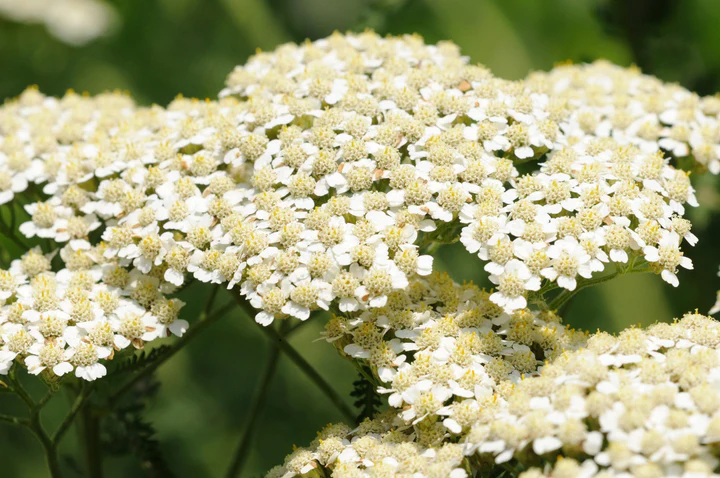
Yarrow (Achillea millefolium) is a medicinal plant known since ancient times for its anti-inflammatory, healing, and menstrual cycle-regulating effects. In recent years, the concentrated extract of this plant has attracted the attention of researchers due to its impact on hormonal balance, premenstrual syndrome, and women’s reproductive health.
Benefits of Yarrow Extract for Women’s Health
1. Regulation of the Menstrual Cycle
The yarrow extract contains phytoestrogens, natural compounds with estrogen-like action, which can help regulate the menstrual cycle. Women with irregular or prolonged cycles have reported normalization of cycle duration and a reduction in associated discomfort after regular administration. Active substances such as apigenin and luteolin contribute to modulating hormonal responses and regulating gonadotropin secretion. Additionally, its antispasmodic action helps reduce menstrual cramps and pelvic tension. These effects are particularly observed during treatment courses of 3-4 weeks, recommended under the supervision of a herbalist or physician.
2. Reduction of Premenstrual Syndrome (PMS) Symptoms
Yarrow has calming, antispasmodic, and anti-inflammatory properties that contribute to diminishing irritability, abdominal pain, and headaches associated with PMS. The extract may positively influence serotonin levels, reducing premenstrual anxiety or depression. Studies show that by regulating the activity of the autonomic nervous system, this plant can stabilize fluctuating emotional states before menstruation. Additionally, due to its mild diuretic effect, it helps reduce water retention and bloating. Women who used yarrow extract for at least two menstrual cycles reported significant improvement in unpleasant symptoms.
3. Support for Uterine Health and Prevention of Fibroids
The extract has a tonic effect on uterine muscles and may contribute to preventing or slowing the development of uterine fibroids. By stimulating pelvic circulation and reducing inflammation, yarrow helps maintain healthy uterine tissue. Additionally, the flavonoids in its composition have antioxidant effects, protecting cells from oxidative stress, one of the factors involved in abnormal tissue development. Its mild hemostatic action is useful in cases of heavy menstrual bleeding or associated with fibroids. Although it is not a curative treatment, the extract can be integrated into complementary therapies for women in the early stages of the disease.
4. Relief of Menopausal Symptoms
Yarrow contains compounds that interact with hormonal receptors and can reduce hot flashes, night sweats, and sleep disturbances during menopause. The plant acts gently on the nervous system, calming frequent irritability and anxiety during this period. Additionally, phytoestrogens can slightly compensate for the sudden drop in estrogen levels without the risks associated with hormone replacement therapy. Many women have reported better sleep and improved overall tone after using the extract for several weeks. Through its adaptogenic effect, it also contributes to maintaining balance between the endocrine and nervous systems.
5. Support for Female Fertility
Some research suggests that yarrow extract may help increase the chances of conception by regulating hormones and improving circulation in the pelvic area. The plant supports ovarian function and can balance the ratio of estrogen to progesterone. Its anti-inflammatory action is beneficial in cases of pelvic inflammatory syndrome or mild hormonal imbalances. Additionally, by reducing oxidative stress, it helps protect eggs and improve the quality of the endometrium. It is recommended for treatment courses of 3 months, alongside a healthy lifestyle and a diet adapted for fertility.
1. Tea for Regulating the Menstrual Cycle
Ingredients:
-
1 tablespoon of dried yarrow flowers
-
250 ml of boiling water
Preparation Method:
Pour hot water over the plant, cover, and let it steep for 15 minutes. Strain and consume while warm.
Usage:
1 cup per day, for 10-14 days before menstruation.
Effects:
Helps regulate the cycle, reduces cramps, and stabilizes estrogen levels naturally.
2. Yarrow Tincture (for PMS, Menopause)
Ingredients:
-
50 g dried yarrow flowers
-
250 ml of 40% food-grade alcohol (pure vodka)
Preparation Method:
Place the plant in an airtight jar and pour the alcohol over it. Let it macerate for 14 days in a dark place, shaking daily. Strain and store in a dark glass bottle.
Usage:
20 drops three times a day, dissolved in a little water, 30 minutes before meals.
Effects:
Calms menopausal and premenstrual symptoms (hot flashes, nervousness, pain).
3. Yarrow Bath for Pelvic Inflammation, Infections, and Uterine Pain
Ingredients:
-
4 tablespoons of dried yarrow
-
2 liters of water
Preparation Method:
Make a concentrated infusion, let it sit covered for 20 minutes, then pour it into a basin. Add warm water until a tolerable temperature is reached.
Usage:
Soak in the bath for 15-20 minutes, 3 times a week, for 2-3 weeks.
Effects:
Reduces pelvic inflammation, alleviates menstrual pain, and helps with mild vaginal infections.
4. Yarrow Oil for Abdominal Massage (for Painful Menstruation)
Ingredients:
-
50 g fresh yarrow flowers
-
200 ml olive or almond oil
Preparation Method:
Place the flowers in a jar, add the oil, cover, and leave in the sun for 10-14 days. Strain and store in a dark glass bottle.
Usage:
Massage the lower abdominal area with small circular motions, 1-2 times a day during the premenstrual period or during menstruation.
Effects:
Relaxes uterine muscles, reduces cramps, and calms the local nervous system.
Recent Studies on Yarrow Extract
1. Study from Journal of Ethnopharmacology, 2022
This study analyzed the effects of yarrow extract on hormonal balance in women with severe premenstrual syndrome. Over a period of 12 weeks, 80 women received either standardized yarrow extract (250 mg/day) or a placebo. Researchers observed a significant reduction in symptoms such as irritability, headaches, and abdominal pain in the group taking the extract. Additionally, hormonal analyses showed better regulation of the estrogen-progesterone ratio. Cortisol levels (the stress hormone) were also more stable in this group. The authors concluded that the plant has an adaptogenic effect with great potential in hormonal balance. Participants did not report significant adverse reactions, confirming the safety of the extract in moderate doses. The efficacy was maintained even after the administration ended, suggesting a medium-term regulatory effect. The study opened new directions in treating hormonal symptoms without resorting to synthetic medications.
2. Iranian Study Published in Avicenna Journal of Phytomedicine, 2023
The research included 100 menopausal women and examined the effect of a hydroalcoholic extract of yarrow on vasomotor symptoms (hot flashes, night sweats). Over a period of 3 months, women received 30 drops of extract twice a day. Results showed a decrease of over 45% in the intensity of hot flashes, and sleep disturbances were significantly reduced. Participants reported an overall sense of well-being, with reduced anxiety and increased daily energy. Hormonal measurements indicated stabilization of FSH levels, with a slight increase in estradiol levels. The authors emphasized the importance of flavonoids and sesquiterpenes in neuroendocrine regulation. The extract did not affect liver or kidney values, confirming its safety profile. The study is considered relevant for women who cannot undergo traditional hormone therapy, providing a natural alternative. In the long term, researchers propose expanding investigations for the prevention of post-menopausal osteoporosis.
Contraindications and Precautions
- The yarrow extract is not recommended for pregnant women, as it may stimulate uterine contractions.
- Individuals allergic to plants in the Asteraceae family (daisies, marigolds, etc.) should avoid the product.
- It may interact with anticoagulants, sedatives, or hormonal contraceptives; medical consultation is recommended.
- Long-term use (over 3 months) requires breaks to avoid possible hormonal imbalances.
- Some sensitive individuals may experience reactions such as nausea, dizziness, or skin rashes.
Sources:
- Journal of Ethnopharmacology Effects of Achillea millefolium extract on hormonal balance and PMS symptoms: a randomized controlled trial
- Avicenna Journal of Phytomedicine Evaluation of Yarrow extract in menopausal vasomotor symptoms: a double-blind clinical study




