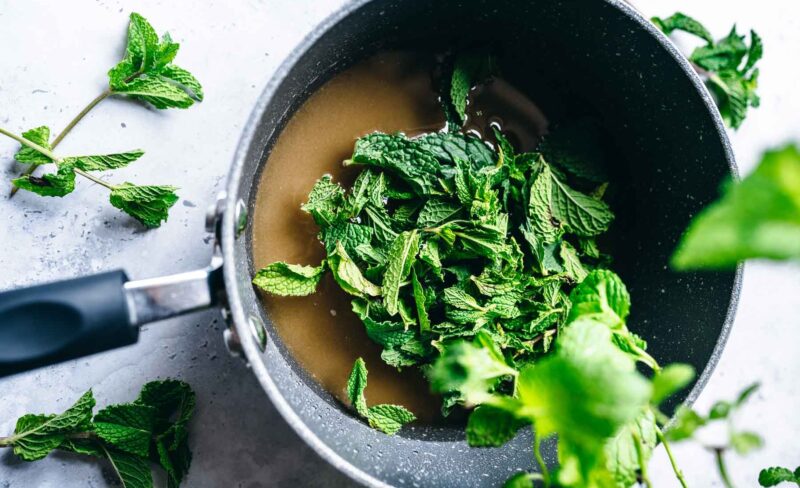
On hot days, peppermint syrup is more than just a refreshing drink; it is a true elixir for the body. When prepared correctly, without artificial colors and with fresh leaves, this syrup has multiple beneficial effects on digestion, the nervous system, and the respiratory tract. Additionally, its pleasant taste makes it a beloved syrup for the whole family.
Peppermint Syrup Recipe (without colors, made only from fresh leaves)
Ingredients:
- 2 large bunches of fresh peppermint (approx. 100 g)
- 1 liter of still water
- 500 g unrefined sugar (or 300 g sugar + 200 g honey after cooling)
- juice from 1 lemon
Preparation Method:
- Wash the peppermint leaves well and tear them into large pieces to release the volatile oils.
- Bring the water to a boil, and when it starts to boil, add the peppermint leaves and cover the pot with a lid. Turn off the heat and let it infuse for 24 hours at room temperature.
- The next day, strain the liquid and squeeze the leaves well.
- Add the sugar and lemon juice, then put it back on low heat until the sugar completely dissolves and a slightly thick syrup forms (about 10-15 minutes).
- After cooling, honey can be added (optional).
- Pour the syrup into sterilized bottles, seal tightly, and store in the refrigerator.
How to Consume Peppermint Syrup: Dosages and Useful Recommendations
For Adults:
-
Recommended dosage: 1-2 tablespoons of syrup (15-30 ml) diluted in 200 ml of still or sparkling water, 2-3 times a day.
-
Before or after meals: It is recommended to consume after meals, especially in cases of slow digestion, bloating, or reflux.
-
In case of nausea or stomach pain: It can be consumed plain (undiluted), one tablespoon, with slow sips.
For children over 6 years:
-
Recommended dosage: 1 tablespoon of syrup (5 ml) diluted in 100 ml of water, a maximum of 2 times a day.
-
Only syrup variants without alcohol and with reduced sugar content are recommended.
-
Avoid administration before bedtime if the child is very active, as peppermint can sometimes cause slight agitation.
For digestive cures (for irritable bowel syndrome or bloating):
-
1 tablespoon of syrup diluted in water, after each main meal, for 7-10 days.
-
It can be combined with calming infusions (chamomile, lemon balm) in case of abdominal discomfort.
As a refreshing drink in summer:
-
2 tablespoons of syrup in a glass of cold water with slices of lemon or cucumber, ideal for hydration and refreshment.
-
It can be added to sparkling water or cold green tea for a detoxifying and refreshing effect.
As an adjunct in colds:
-
1 tablespoon of syrup in warm tea (but not hot), twice a day.
-
It can be combined with thyme, pine buds, or elderflower teas for enhanced respiratory effects.
Excessive consumption is not recommended as large doses can lead to nausea, dizziness, or digestive imbalances. Ideally, do not exceed 3 doses per day for adults.
Benefits of Peppermint Syrup
1. Supports digestion and alleviates bloating
Peppermint contains essential oils such as menthol, which act as a natural antispasmodic. These substances help relax the smooth muscles of the digestive tract, reducing cramps and bloating. Regular consumption of peppermint syrup after meals can prevent feelings of heaviness and abdominal discomfort. Additionally, it stimulates bile secretion, essential for efficient digestion. Peppermint is often recommended for irritable bowel syndrome due to its calming action on the intestines.
2. Has a cooling and mild antipyretic effect
Menthol from peppermint leaves provides an immediate cooling sensation and has a real physiological effect on thermoregulation. By stimulating temperature receptors in the skin and oral cavity, consuming peppermint helps regulate the feeling of heat. Moreover, it can have a mild antipyretic effect, being useful in mild febrile conditions. This is why, in traditional medicine, peppermint was often used in syrup or infusion form at the onset of colds with fever. The induced cooling also helps reduce fatigue caused by heat.
3. Calms nausea and reduces gastric reflux
Peppermint is recognized for its antiemetic effect, frequently used to calm nausea, especially in cases of stress or indigestion. The active compound menthol reduces uncontrolled contractions of the stomach, thus preventing feelings of nausea. It can also help lower pressure in the esophageal sphincter, reducing episodes of acid reflux. However, caution is advised as, in some cases of severe reflux, peppermint may exacerbate symptoms. Nevertheless, in moderate doses, the syrup has a calming effect, especially when consumed diluted.
4. Has a relaxing effect and reduces anxiety
Peppermint acts on the nervous system through volatile compounds that influence the relaxation centers. Inhaling vapors or internal consumption can reduce nervous tension, irritability, and even mild anxiety symptoms. Peppermint syrup, especially when diluted with mineral water, can become a relaxing evening drink. Additionally, menthol is believed to help improve sleep quality through its mild sedative action. It is particularly effective in states of mental fatigue and stress.
5. Has a mild decongestant effect on the respiratory tract
Menthol acts as a natural decongestant, stimulating receptors in the nose and throat and reducing the feeling of congestion. Peppermint syrup can help ease breathing in cases of colds, sinusitis, or mild allergies. It also has a gentle expectorant effect, promoting the elimination of bronchial secretions. It is useful in soothing irritating coughs due to its emollient action. Added to teas or warm drinks, it enhances the beneficial effects on the respiratory system.
Study: Mentha piperita: Pharmacology and Clinical Uses Phytotherapy Research
This study details the chemical composition and clinical effects of peppermint. Researchers identified over 40 active compounds in peppermint leaves, with antispasmodic, carminative, and relaxing actions on smooth muscles. The study showed that peppermint extracts were effective in reducing symptoms of irritable bowel syndrome in 68% of participants included in the study. Additionally, improvements in digestion and reductions in abdominal pain were observed after 4 weeks of administration. Menthol is highlighted as the main active agent, with beneficial effects on the respiratory and nervous systems. The authors also mention the antimicrobial activity of peppermint oil, useful in mild infections. The research further emphasizes that regular administration of peppermint-based preparations did not generate significant adverse effects at the studied doses. In conclusion, peppermint is recommended as a safe remedy for digestive disorders and mild nervousness.
Contraindications of Peppermint Syrup
- Severe gastroesophageal reflux: In some cases, peppermint may relax the esophageal sphincter too much and worsen reflux.
- Children under 2 years: Menthol can cause dangerous respiratory spasms in young children.
- Pregnancy and breastfeeding: Although there are no clear studies, moderate consumption is recommended, only with medical advice.
- Allergies to menthol: Individuals sensitive to essential oils may develop allergic reactions.
- People with severe liver conditions: Volatile oils can overload the liver if consumed in excess.
Sources:
- Phytotherapy Research Mentha piperita: Pharmacology and Clinical Uses, 2018




