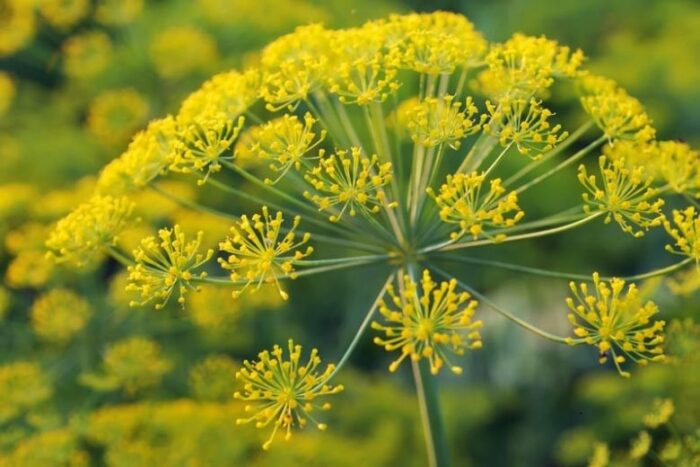
Dill seeds, often overlooked, hide an impressive therapeutic power. Rich in essential oils, antioxidants, and active compounds with carminative and sedative effects, these seeds have been used since ancient times to soothe digestive discomfort and calm the nervous system. Traditional Indian, Greek, and Roman medicine have consistently utilized them to combat colic, bloating, and insomnia. Modern research confirms many of these uses, providing us with a scientific perspective on the real benefits of dill seeds. Additionally, they are extremely easy to incorporate into the diet.
Benefits
1. Combats Bloating and Abdominal Cramps
Dill seeds have carminative properties, which means they help eliminate intestinal gas. This effect is attributed to essential oils such as carvone and limonene, which soothe intestinal muscles and reduce fermentation. When used after meals, they can quickly alleviate feelings of fullness and abdominal tension. Animal studies show a significant reduction in spasms and bloating following the administration of dill extract. These properties make them useful even in irritable bowel syndrome (IBS), where bloating is a common manifestation.
2. Supports Sleep and Calms the Nervous System
The flavonoids and terpenes in dill seeds have a mild sedative effect on the central nervous system. These substances can reduce excessive neuronal activity and promote relaxation. Dill seed infusion is used in folk medicine as a gentle natural sleep aid, especially in cases of insomnia related to stress or slow digestion. Consuming it in the evening, 30-60 minutes before bedtime, can contribute to deeper and more restful sleep. Additionally, it has the advantage of not causing dependency, unlike some synthetic medications.
3. Regulates Intestinal Transit
Dill seeds gently stimulate intestinal peristalsis, helping to regulate bowel movements in cases of mild constipation. This effect is particularly beneficial for individuals suffering from slow digestion or temporary transit disturbances caused by stress. Unlike aggressive laxatives, their action is gentle and does not irritate the intestinal mucosa. In combination with a fiber-rich diet, they can support daily digestive health. They also have a mild antimicrobial effect, which can help balance intestinal flora.
4. Supports Liver Health and Detoxification
The active compounds in dill seeds, particularly anethole and flavonoids, have a protective effect on the liver. Studies indicate that these compounds stimulate liver enzymes responsible for detoxification. They can also reduce fat accumulation in the liver and combat oxidative stress. Through their antioxidant action, dill seeds help protect liver cells from damage caused by toxins and free radicals. These effects recommend them as an adjunct in detoxification regimens or for fatty liver conditions.
5. Balances Hormones and Alleviates Menopausal Symptoms
Some studies suggest that dill seeds may have mild estrogenic effects due to the phyto-compounds present in their structure. They can help regulate the menstrual cycle and reduce menopausal symptoms such as hot flashes and irritability. The action is gentle and does not disrupt the endocrine system, making it a natural alternative to hormone therapies. Additionally, they support emotional balance and reduce sleep disturbances associated with hormonal changes. They are also useful during periods of menstrual imbalance or premenstrual syndrome.
Studies and Research
1. Study Published in BMC Complementary Medicine and Therapies
This study investigated the effect of dill extract on bloating and intestinal pain. Researchers administered dill seed extract to mice with induced intestinal inflammation. The results showed a significant reduction in abdominal discomfort symptoms compared to the control group. Histological analyses demonstrated that dill reduces local inflammation and normalizes intestinal muscle contractions. The authors conclude that the effect is due to the presence of carvone, limonene, and flavonoids, which act synergistically. The observed effects support the traditional use of dill seeds in treating colic and intestinal gas. An improvement in transit was also noted. This study provides promising evidence for the use of dill extracts in gastroenterology. However, the authors note that clinical studies on humans are needed to fully validate the effects. The study was conducted over a period of 4 weeks and included biochemical and behavioral evaluations.
2. Study from Iranian Journal of Pharmaceutical Research
This study analyzed the sedative effect of dill seed extract on animal models. Researchers tested different doses and observed an extension of sleep time induced by pentobarbital. The extract increased sleep duration without affecting motor coordination or general behavior. Chemical analysis identified anethole as the main component responsible for the sedative effect. The study supports the hypothesis that dill seeds may be an effective adjunct in sleep disturbances. Additionally, the effects were compared to those of diazepam, showing moderate but safe efficacy. No toxic or adverse effects were reported at the doses used. The results support the traditional use of dill seed infusions as a remedy for insomnia. It is one of the most detailed studies regarding the sedative action of dill. The authors recommend further clinical studies for validation in phytotherapy.
Simple Recipes with Dill Seeds
1. Infusion for Bloating
- 1 tablespoon crushed dill seeds
- 250 ml boiling water
- Infuse for 10 minutes, strain, and drink after meals
Can be consumed twice a day, after main meals.
2. Calming Tea for Sleep
- 1 tablespoon dill seeds
- 1/2 tablespoon linden flowers
- 1/2 tablespoon chamomile
- 250 ml boiling water, infuse for 10-12 minutes
Consume 30 minutes before bedtime.
3. Digestive Tincture (for internal use)
- 50 g crushed dill seeds
- 250 ml 40% alcohol
- Let it macerate for 14 days, shaking daily, then strain
Administer 20 drops diluted in water, three times a day, after meals.
Contraindications
- Excessive consumption is not recommended for individuals with hyperacid gastritis or gastric ulcers.
- Pregnant women should avoid dill tincture due to the concentrated volatile oils.
- May interact with sedative medications; do not combine without medical advice.
- Individuals with epilepsy or other neurological disorders should consult a doctor before consumption.
- May cause allergic reactions in individuals sensitive to plants from the Apiaceae family.
Sources:
- BMC Complementary Medicine and Therapies: Effect of Anethum graveolens (dill) seed extract on gastrointestinal disorders in mice
- Iranian Journal of Pharmaceutical Research: Sedative-Hypnotic Activity of Anethum graveolens Seed Extract in Mice




