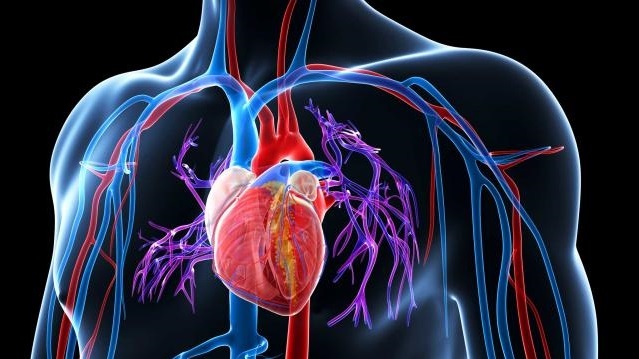
High blood pressure is an increasingly common problem, even among young people. Fortunately, there are natural methods, scientifically proven, that can help reduce it in just a few minutes, without medication and without side effects. These quick solutions do not replace the treatment prescribed by a doctor, but they can be very helpful in emergency situations or as a complement to a healthy lifestyle.
1. Deep Breathing Techniques
How it works:
Slow and deep breathing activates the parasympathetic nervous system, responsible for relaxation. This leads to the dilation of blood vessels and a reduction in heart rate, which lowers blood pressure. With simple techniques such as the 4-7-8 breathing or diaphragmatic breathing, you can feel a significant difference in less than 10 minutes.
Scientific study:
A study published in Journal of Human Hypertension (2017) analyzed the effect of slow breathing on 40 patients with mild hypertension. Participants were instructed to breathe slowly (6 breaths per minute) for 15 minutes. The results showed an average decrease of 8 mmHg in systolic blood pressure and 4 mmHg in diastolic blood pressure. Researchers concluded that this method can be an effective, non-invasive, and accessible tool in managing high blood pressure. Additionally, the beneficial effects were maintained for several hours after the exercise. Other studies, including those conducted by the American Heart Association, support the benefits of guided breathing through applications or special devices. Moreover, this method is well-tolerated and has no significant contraindications, being recommended even for elderly individuals.
2. Fresh Beetroot Juice
How it works:
Beetroot is rich in natural nitrates, which are converted in the body to nitric oxide. This relaxes the walls of blood vessels, improving circulation and lowering blood pressure. A glass of beetroot juice (250 ml) can have effects in just 30 minutes, significantly impacting systolic blood pressure.
Scientific study:
A study published in Hypertension (the official journal of the American Heart Association) in 2015 tested the effect of beetroot juice on hypertensive patients. After daily consumption of 250 ml of beetroot juice for 4 weeks, systolic blood pressure decreased on average by 7.7 mmHg, and diastolic by 2.4 mmHg. The effects appeared even within the first 30 minutes after consumption. Another research conducted by Queen Mary University of London showed that beetroot juice reduces blood pressure as effectively as some antihypertensive medications. The benefits were more pronounced in individuals not taking medication, but were also visible in those with more advanced forms of hypertension.
3. Walking in Nature (or Forest Bathing)
How it works:
A relaxed walk for 20-30 minutes in nature, especially in areas with forests or green spaces, reduces cortisol (the stress hormone) and induces a state of calm. This has a direct effect on lowering blood pressure by reducing the activity of the sympathetic nervous system. The benefits are greater if the walk is done without a phone or other distractions.
Scientific study:
Japanese researchers introduced the concept of Shinrin-yoku (forest bathing), and a study published in Environmental Health and Preventive Medicine (2011) evaluated 280 individuals who participated in such walks. After just 30 minutes in the forest, a significant decrease in blood pressure and cortisol levels was observed. Additionally, heart rate became more regular, and emotional state improved. Other studies have confirmed that simple exposure to nature, even in urban parks, has antihypertensive effects. The effects persist for hours after the activity ends. A study conducted in Finland showed that 20 minutes in nature can reduce systolic blood pressure by 56 mmHg, without other interventions.
Contraindications
- Deep Breathing: It may cause dizziness at first, especially if done incorrectly or too quickly. It is not recommended for individuals with severe anxiety without therapeutic supervision.
- Beetroot Juice: It may color urine and stool red (a harmless effect), but it is contraindicated in cases of kidney stones or oxalate issues. Diabetics should be cautious about the amount consumed.
- Walking in the Forest: It may worsen seasonal allergies for some individuals. Avoid areas with pollen or insects if you are sensitive.
Sources:
- Journal of Human Hypertension Effect of Slow Breathing on Hypertensive Patients
- Hypertension (AHA) Dietary Nitrate from Beetroot Juice Lowers Blood Pressure in Hypertensive Patients
- Environmental Health and Preventive Medicine Physiological effects of Shinrin-yoku (forest bathing)
- Queen Mary University of London Beetroot juice could be as effective as medicine for lowering blood pressure
- American Heart Association Mindful breathing and hypertension: Evidence-based non-pharmacological therapy




