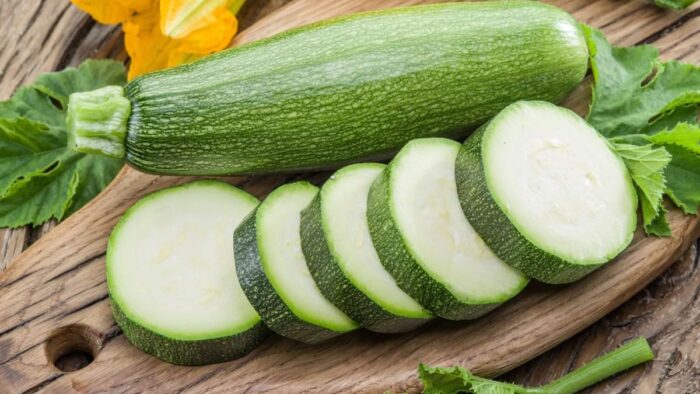
The zucchini is an extremely valuable vegetable for health, even though it is often overlooked. It has a low calorie content, is rich in water and fiber, and provides significant amounts of vitamins, minerals, and antioxidants. Easy to digest, suitable for children, the elderly, or people with digestive issues, zucchini can be included in countless recipes: soups, salads, fritters, purees, or even desserts. It is an ideal choice for a clean, anti-inflammatory, and nourishing diet.
Nutritional Table for 100 g of Raw Zucchini:
| Nutrient | Value |
|---|---|
| Calories | 17 kcal |
| Water | 94.8 g |
| Protein | 1.2 g |
| Fat | 0.3 g |
| Carbohydrates | 3.1 g |
| Dietary Fiber | 1.1 g |
| Sugars | 2.2 g |
| Vitamin C | 17.9 mg (20% DV) |
| Vitamin B6 | 0.2 mg (10% DV) |
| Folic Acid (B9) | 24 µg (6% DV) |
| Potassium | 261 mg (7% DV) |
| Magnesium | 18 mg (5% DV) |
| Iron | 0.4 mg (3% DV) |
| Beta-Carotene | 120 µg |
| Lutein and Zeaxanthin | 2125 µg |
Benefits of Zucchini
1. Detoxifies the Liver and Kidneys
Zucchini is composed of nearly 95% water, making it excellent for hydrating and detoxifying the body. It acts as a natural diuretic, stimulating the elimination of toxins through urine and reducing the risk of harmful substances accumulating in the body. At the same time, the dietary fiber in zucchini supports intestinal function and helps eliminate digestive waste. This way, the liver is less stressed, and the blood filtration process occurs more efficiently. Through these mechanisms, zucchini indirectly helps prevent kidney stones and fatty liver disease.
2. Lowers Blood Pressure and Supports Heart Health
The high potassium content helps relax blood vessels and maintain blood pressure within normal limits. Potassium counteracts the harmful effects of excess sodium, which can lead to hypertension and cardiovascular diseases. Additionally, zucchini contains magnesium, which supports heart function and electrolyte balance. The soluble fibers in zucchini can lower LDL cholesterol levels, contributing to the prevention of atherosclerosis. Regular consumption of this vegetable can support long-term heart health.
3. Supports Digestion and Prevents Constipation
Zucchini is easy to digest and recommended for people with slow or sensitive digestion. The dietary fibers regulate intestinal transit, prevent constipation, and maintain a healthy environment in the intestines. These fibers act as prebiotics, nourishing beneficial bacteria in the colon. Frequent consumption of zucchini reduces bloating and the feeling of abdominal heaviness. Additionally, when prepared correctly (steamed or boiled), zucchini does not irritate the stomach and can be included in post-operative diets or for gastritis.
4. Helps with Weight Loss
Zucchini is very low in calories and provides a feeling of fullness, making it ideal for weight loss diets. Due to its high water and fiber content, it reduces appetite and stabilizes blood sugar levels. It can be consumed in cream soups, baked fritters, or even grilled, adding volume to meals without adding calories. Moreover, it is versatile and can replace pasta or potatoes in numerous recipes. Thus, zucchini can become an important ally in weight control and maintaining a healthy figure.
5. Protects the Skin and Eyes
Zucchini is rich in antioxidants such as lutein, zeaxanthin, and beta-carotene, which protect the skin against premature aging. These compounds support skin health, reduce damage caused by UV rays, and promote cellular regeneration. Lutein and zeaxanthin are also essential for eye protection, preventing macular degeneration and cataracts. Regular consumption of zucchini can have visible effects on skin appearance, making it more hydrated and radiant. The antioxidants in zucchini combat the effects of free radicals and protect cellular structures.
6. Supports Nervous System Health
Vitamin B6 and magnesium in zucchini contribute to the optimal functioning of the nervous system. These substances help regulate mood, prevent anxiety, and improve sleep quality. Additionally, the B vitamin complex is essential for the synthesis of neurotransmitters, including serotonin. By reducing systemic inflammation and supporting detoxification, zucchini can indirectly contribute to maintaining mental health. They are recommended during periods of stress, exhaustion, or convalescence.
7. Boosts Immunity
Vitamin C in zucchini helps activate immune cells, especially lymphocytes and phagocytes. It helps reduce inflammation and supports the body’s response against infections. The fiber in zucchini also helps by maintaining a healthy intestinal microbiome, which is directly involved in regulating immunity. In the cold season or during periods of increased risk of colds, zucchini can support the body’s natural defense capacity. Additionally, the antioxidants in its composition prevent oxidative stress that weakens the immune system.
8. Has Anti-Inflammatory Effects
Zucchini contains plant compounds with anti-inflammatory roles, such as flavonoids and carotenoids. These nutrients can reduce chronic inflammation associated with diseases such as arthritis, obesity, or cardiovascular diseases. Regular consumption can lower inflammatory markers in the blood and alleviate joint pain. Studies have shown that lutein and zeaxanthin can inhibit pro-inflammatory enzymes at the cellular level. Thus, zucchini can be included in the diet of people with autoimmune diseases or chronic inflammation.
Scientific Studies
Study: Zucchini Phytochemicals and Their Antioxidant Potential Journal of Agricultural and Food Chemistry
A laboratory study analyzed the antioxidant capacity of different zucchini varieties. According to researchers, zucchinis contain significant levels of lutein, beta-carotene, and flavonoids, which play a role in protecting cells against oxidative stress. Zucchini extracts demonstrated the ability to inhibit free radicals and reduce cellular inflammation. The authors concluded that zucchini has therapeutic potential in preventing chronic degenerative diseases.
Healthy Zucchini Recipes
1. Creamy Zucchini Soup with Garlic
Ingredients:
- 2 medium zucchinis
- 1 small potato
- 2 cloves of garlic
- 1 onion
- 1 tablespoon olive oil
- Salt, pepper
Boil the vegetables in 500 ml of water, blend with a mixer, add the oil and spices.
2. Baked Zucchini Fritters
Ingredients:
- 2 zucchinis grated
- 2 tablespoons oats
- 1 egg
- Dill, salt, pepper
Squeeze the zucchini, mix all the ingredients, and bake at 180°C for 25 minutes.
3. Zucchini Noodles with Tomato Sauce
Ingredients:
- 2 large zucchinis (spiralized)
- Tomato sauce with basil
- Olive oil
Sauté the zoodles in oil for 2-3 minutes, add the tomato sauce, and serve warm.
Contraindications
- People with kidney problems requiring potassium restriction should consume zucchini in moderation.
- In rare cases, they may cause allergies in individuals sensitive to pumpkin or cucumber.
- Excessive consumption (especially raw) may lead to gastric discomfort in some individuals.
- In cases of severe hypothyroidism, it is recommended to consume with caution due to the content of goitrogens (in raw form).
- Avoid consuming bitter zucchinis (with an unusual taste), which may contain toxic cucurbitacins.
Sources:
- Journal of Agricultural and Food Chemistry Zucchini Phytochemicals and Their Antioxidant Potential




