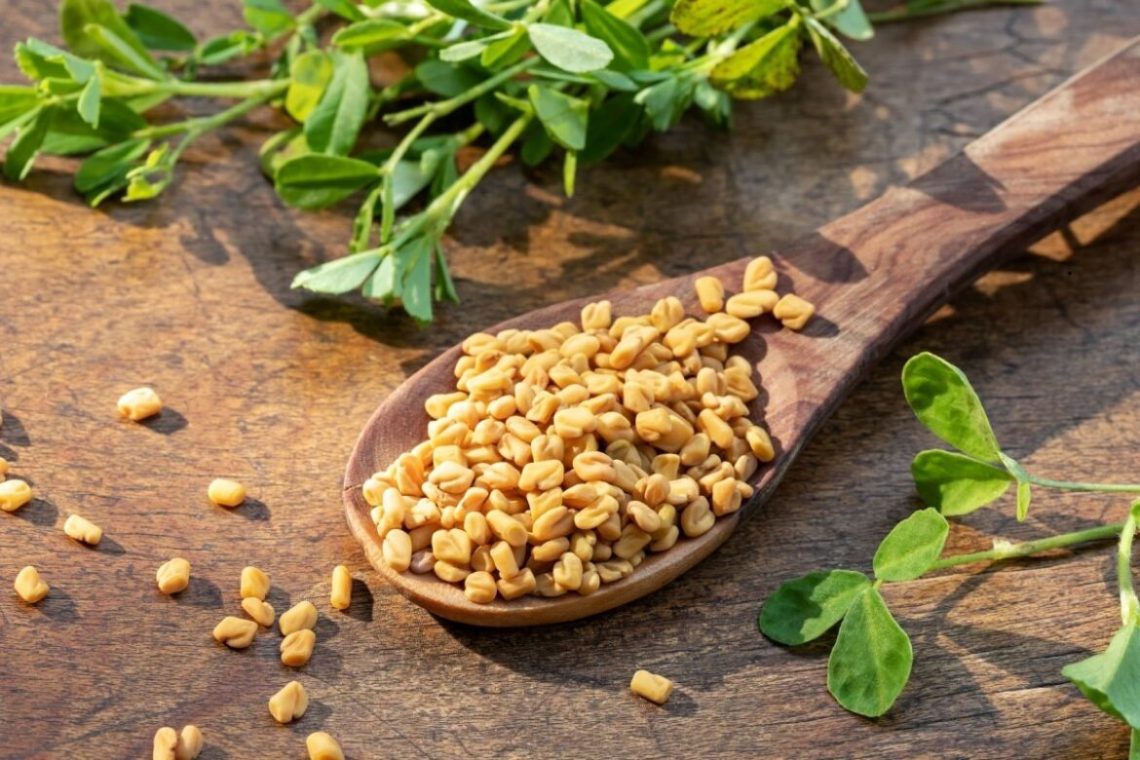
Fenugreek (Trigonella foenum-graecum) is one of the most valuable medicinal plants used since ancient times to support digestion, soothe inflammation, and regulate metabolism. Its seeds contain mucilage, proteins, saponins, flavonoids, and essential minerals, having a complex action on the digestive and nervous systems.
Cold maceration, a slow but very effective extraction method, preserves the active principles that would be destroyed by boiling. The result is a natural remedy with calming, detoxifying, and protective effects for the stomach and intestines.
What is Cold Maceration?
Cold maceration involves soaking crushed fenugreek seeds in a quantity of cold water for several hours without subjecting them to high temperatures. Through this method, mucilage and bioactive substances gradually dissolve, forming a viscous liquid with a protective effect on the gastric mucosa.
This technique is particularly useful for individuals with a sensitive stomach, ulcers, gastritis, or reflux, as the preparation does not irritate and promotes the natural regeneration of the mucosa.
How to Prepare Cold Maceration from Fenugreek Seeds
- Grinding the seeds Crush or finely grind 1-2 tablespoons of fenugreek seeds just before use.
- Mixing with water Place the powder in a jar and add 250 ml of cold water.
- Maceration time Let the mixture sit for 6-8 hours, covered, at room temperature.
- Straining After maceration, strain the liquid through a fine cheesecloth.
- How to consume Drink one cup a day, 15-30 minutes before meals. It can be slightly warmed, but not boiled.
Benefits of Cold Maceration from Fenugreek Seeds
1. Protects the gastric mucosa
The mucilage formed during maceration coats the stomach walls, creating a protective layer that reduces the sensation of burning and irritation. This action is confirmed by several studies showing that fenugreek promotes the natural healing of gastric lesions and prevents the recurrence of gastritis.
2. Stimulates slow and complete digestion
The bitter compounds and volatile oils in fenugreek activate gastric and bile secretions, facilitating the digestion of proteins and fats. With regular consumption, the maceration helps the body process hearty meals more easily and reduces the feeling of bloating.
3. Calms bloating and abdominal discomfort
Fenugreek contains substances with carminative effects that reduce intestinal gas and normalize peristaltic activity. By reducing local inflammation, the maceration brings a sense of abdominal comfort and alleviates feelings of pressure or cramps.
4. Regulates intestinal transit
Soluble fibers and mucilage promote regular intestinal movement, preventing constipation and supporting the natural detoxification of the colon. At the same time, it protects the mucosa from irritation, making it suitable for individuals with colitis.
5. Maintains blood sugar within normal limits
Recent studies show that fenugreek has the ability to reduce glucose absorption at the intestinal level and improve insulin sensitivity. Moderate consumption of the maceration can help balance carbohydrate metabolism.
6. Supports liver function and lipid metabolism
The saponins in fenugreek stimulate liver function, helping to eliminate toxins and reduce bad cholesterol levels. This effect has important implications for cardiovascular health.
7. Strengthens the immune system
With its rich antioxidant content, the maceration contributes to reducing oxidative stress and protecting cells against free radicals. Balanced digestion also means a stronger immune system.
8. Has a natural anti-inflammatory effect
Studies have confirmed that extracts from fenugreek reduce inflammation in the gastric and intestinal levels. Through its complex mechanism, the plant inhibits oxidative reactions and supports the healing of irritated tissues.
Scientific Studies and Research
Numerous studies published in international medical journals have analyzed the composition and effects of fenugreek:
- A study published in Journal of Clinical Biochemistry and Nutrition showed that aqueous extracts of fenugreek significantly reduce gastric inflammation and accelerate the regeneration process of the mucosa.
- Other research highlighted the antioxidant action of compounds in fenugreek, which protect liver and gastric cells from oxidative stress.
- In a study conducted at the University of Mumbai, it was observed that the mucilage extracted through cold maceration forms a natural barrier against excessive acidity, having an effect comparable to that of mild antacid medications.
- Other analyses showed a decrease in postprandial blood sugar and an improvement in intestinal transit after regular administration of the maceration.
These results confirm the efficacy and safety of using fenugreek in macerated form, especially for the digestive system.
Contraindications and Precautions
Although it is a valuable natural remedy, fenugreek seed maceration should be consumed with caution:
- Not recommended for pregnant women, as it may slightly stimulate uterine contractions.
- Individuals with diabetes should consult a doctor before use, as fenugreek may amplify the effects of hypoglycemic medications.
- May cause allergic reactions in individuals sensitive to legumes (lentils, chickpeas, soy).
- Should not be administered alongside anticoagulants without medical advice.
- In case of nausea, burning, or discomfort, discontinue use.
Cold maceration of fenugreek seeds is a true elixir for digestion and for protecting the stomach. When prepared correctly, this remedy helps reduce acidity, soothe irritated mucosa, and balance the entire digestive system. It is a natural, simple, and effective solution for those seeking a safe alternative to chemical supplements.
Nutritional Table (fenugreek seeds, 100 g)
| Nutrient | Approximate Amount |
|---|---|
| Proteins | 23 g |
| Dietary Fiber | 25 g |
| Fats | 6 g |
| Iron | 33 mg |
| Magnesium | 190 mg |
| Calcium | 180 mg |
| Phosphorus | 295 mg |
| Vitamin B6 | 0.6 mg |




