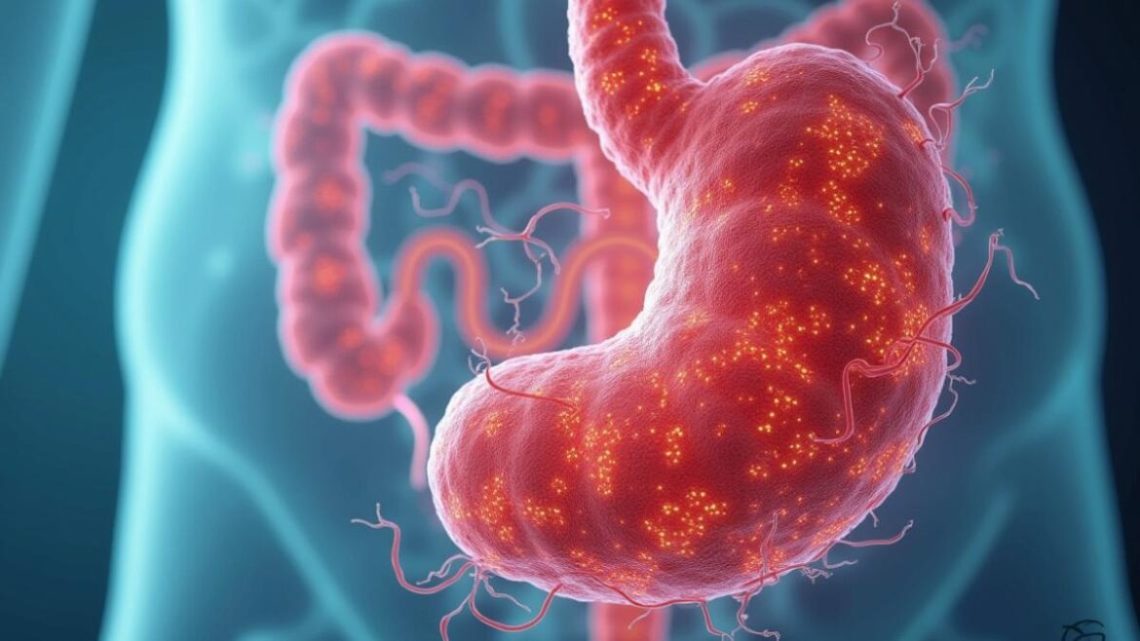
The gut flora, or gut microbiome, is a complex community of bacteria, fungi, viruses, and other microorganisms that live in the digestive tract. These microbes not only assist in digestion but also play a crucial role in immunity, brain health, body weight, and even in preventing serious diseases. An imbalance in gut flora can be the hidden cause of chronic fatigue, bloating, persistent inflammation, and autoimmune disorders.
Why is Gut Flora Important for the Health of the Entire Organism?
1. Supports the Immune System
Over 70% of the immune system’s cells are located in the intestines. Good microbes help form a natural shield against pathogens. Studies show that a balanced gut flora reduces the frequency of infections and helps regulate autoimmune reactions. Research published in Nature Reviews Immunology explains that probiotic bacteria stimulate the production of regulatory T cells, which moderate excessive inflammatory responses.
2. Affects Mental and Emotional State
There is a strong connection between the gut and the brain, known as the gut-brain axis. Gut bacteria produce neurotransmitters such as serotonin, dopamine, and GABA. An imbalance in gut flora can lead to anxiety, depression, and cognitive disorders. Recent studies demonstrate that the administration of probiotics has positive effects on mood and stress levels.
3. Regulates Metabolism and Body Weight
Gut flora influences how the body processes nutrients and stores fats. Certain types of bacteria can promote weight gain, while others help maintain a normal weight. Obese individuals typically have a different gut microbiome compared to those of normal weight, as shown in a meta-analysis published in Obesity Reviews.
4. Helps with Digestion and Nutrient Absorption
Beneficial bacteria assist in breaking down fibers, absorbing vitamins (B12, K), and producing essential fatty acids for colon health. With an unbalanced flora, digestion is incomplete, leading to bloating, constipation, or chronic diarrhea.
5. Prevents Inflammation and Chronic Diseases
The microbiome plays a key role in controlling systemic inflammation. An altered flora is associated with diseases such as type 2 diabetes, rheumatoid arthritis, cardiovascular diseases, and even certain forms of cancer. Researchers at Harvard have shown that reduced diversity of gut flora is correlated with increased levels of inflammatory markers in the blood.
Foods That Care for Gut Flora
1. Fermented Foods (yogurt, kefir, pickles in brine, miso, kimchi)
These are natural sources of probiotics that introduce beneficial bacteria directly into the intestines. A study published in Cell in 2021 showed that a diet rich in fermented foods increases the diversity of gut bacteria and reduces overall inflammation in the body.
2. Prebiotic Fibers (onions, garlic, leeks, asparagus, green bananas, oats, chicory)
Prebiotics are food for good bacteria. These fibers are not digested in the stomach but reach the colon, where they stimulate the growth of beneficial microorganisms. Regular consumption supports the development of bacteria that produce short-chain fatty acids, essential for intestinal health.
3. Polyphenols (blueberries, apples, grapes, green tea, raw cocoa)
Polyphenols act as antioxidants and have an indirect prebiotic effect, as they stimulate friendly bacteria. Studies have shown that polyphenols increase the proportion of Bifidobacterium and Lactobacillus bacteria.
4. Raw Vegetables and Fruits
They contain natural digestive enzymes, fibers, and phytonutrients that contribute to the health of the flora. Variety is key: the more types of vegetables and fruits, the more diverse the microbiome.
5. Cold-Pressed Oils (olive oil, flaxseed oil, hemp oil)
These have anti-inflammatory effects and support the health of the intestinal mucosa, creating a favorable environment for beneficial bacteria.
Foods That Destroy Gut Flora
1. Refined Sugar and Artificial Sweeteners (aspartame, sucralose)
Sugar feeds pathogenic bacteria and promotes dysbiosis. Additionally, artificial sweeteners alter the composition of the microbiome and increase the risk of glucose intolerance.
2. Ultra-Processed Products (cold cuts, instant soups, snacks)
These contain additives, emulsifiers, and preservatives that affect the integrity of the intestinal barrier and promote the growth of harmful bacteria.
3. Trans Fats and Fried Foods
These promote inflammation and reduce the diversity of good bacteria. They also affect the absorption of essential fatty acids and compromise the health of the intestinal mucosa.
4. Antibiotics (administered frequently or incorrectly)
They destroy both pathogenic and beneficial bacteria. Restoring the flora can take months, which is why it is important to consume probiotics and prebiotics after antibiotic treatments.
5. Excessive Alcohol
Regular consumption disrupts the flora, increases intestinal permeability (leaky gut), and reduces the ability of the intestinal mucosa to regenerate.
Warnings
- Individuals with irritable bowel syndrome (IBS) may react negatively to certain fermentable fibers (FODMAPs) and require an adapted diet.
- Probiotics are not recommended for individuals with weakened immune systems (e.g., cancer patients or post-transplant) without medical approval.
- Excessive consumption of probiotic supplements or fermented foods can cause bloating and abdominal discomfort, especially in the initial phase.
- Supplements should be chosen carefully; not all probiotic strains have the same effect; those with clinical evidence are preferred.
Relevant Studies
- Gut microbiota from twins discordant for obesity modulate metabolism in mice Science (2013): The study showed that transplanting the microbiome from twins, one obese and one of normal weight, resulted in weight gain in some cases only with the microbiome from the obese twin.
- The role of the gut microbiome in the development of obesity and diabetes Cell Metabolism (2016): Highlights the major role of intestinal dysbiosis in triggering insulin resistance and obesity.
- Diet-microbiota interactions and personalized nutrition Nature Reviews Microbiology (2020): Demonstrates that diet profoundly influences the composition of gut flora and that the response to the same food varies depending on each person’s microbiome.
- Probiotic and prebiotic interventions for healthy gut microbiota Frontiers in Microbiology (2021): Provides a comprehensive analysis of the combined effect of probiotics and prebiotics in supporting gastrointestinal and overall health.
The gut flora is an invisible organ that influences all other systems of the body. Caring for the microbiome through a balanced diet rich in fibers, raw vegetables, fermented foods, and healthy fats can reduce inflammation, support immunity, improve digestion, and even enhance mental balance. On the other hand, processed foods, sugar, alcohol, and excessive antibiotics can quickly damage this delicate ecosystem.
Sources:
- Nature Reviews Immunology The microbiome and immune regulation
- Cell Gut microbiome modulates inflammation and metabolism
- Science Microbiota from twins discordant for obesity modulate metabolism in mice
- Obesity Reviews Gut microbiota in obesity and metabolic disorders
- Frontiers in Microbiology Probiotic and prebiotic interventions for healthy gut microbiota




