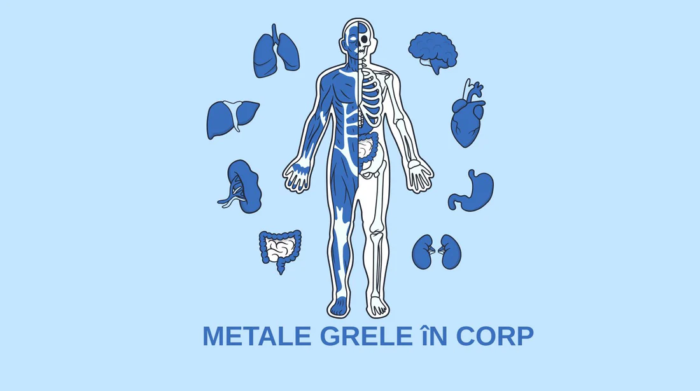
Detoxifying the body from heavy metals such as mercury, lead, cadmium, or aluminum has become a hot topic in recent years. Numerous plants are promoted for their ability to extract these toxic substances from the body. But what does science say? Are these claims just myths, or is there solid evidence behind them? Here’s what recent research shows about the plants used for eliminating heavy metals.
What Are Heavy Metals and Why Are They Dangerous?
Heavy metals are elements with high density that are toxic in high concentrations. They can enter the body through food, water, air, or cosmetics and can accumulate in tissues, affecting the brain, kidneys, liver, and nervous system.
Chronic exposure to lead, mercury, or cadmium is associated with neurological disorders, kidney diseases, hormonal imbalances, infertility, and even cancer. Eliminating these metals from the body is a complex process, and conventional medicine often uses drug chelation therapies. However, in recent years, phytotherapy has begun to be analyzed as an alternative option.
Plants Most Commonly Mentioned in Heavy Metal Detoxification
1. Coriander (Coriandrum sativum)
Scientific Benefits:
Coriander is often recommended for the elimination of mercury, aluminum, and lead. Animal studies show that extracts from the leaves can significantly reduce levels of lead and mercury in tissues.
Study:
A study published in Journal of Ethnopharmacology analyzed the effects of coriander on rats exposed to mercury. The results indicated a clear reduction in mercury accumulation in the kidneys and brain. Researchers suggest that the flavonoids and phenolic acids in coriander can mobilize heavy metals and promote their elimination through urine.
2. Chlorella
Scientific Benefits:
This green algae is known for its high chlorophyll content and its ability to bind to heavy metals in the digestive tract, preventing their reabsorption.
Study:
A study in Journal of Medicinal Food showed that daily administration of Chlorella to rats exposed to cadmium significantly reduced the metal level in the liver and kidneys. The authors emphasize that there seems to be a natural chelation capacity through the cell wall of the algae, rich in polysaccharides.
3. Spirulina
Scientific Benefits:
Similar to Chlorella, spirulina has antioxidant properties and can reduce oxidative stress caused by heavy metals. Additionally, studies indicate a possible elimination of arsenic and lead.
Study:
In a clinical trial conducted in Bangladesh (Bangladesh Medical Research Council Bulletin), patients with chronic arsenic poisoning were treated with spirulina extract and zinc. The results showed a decrease of up to 47% in arsenic concentration in urine, suggesting a real mobilization of heavy metals.
4. Milk Thistle (Silybum marianum)
Scientific Benefits:
Silymarin from milk thistle supports the liver, the main organ responsible for detoxification. Some studies indicate that silymarin can protect liver cells from the toxic effects of heavy metals and can stimulate their elimination through bile.
Study:
In Toxicology Mechanisms and Methods, an experiment on rats exposed to cadmium demonstrated that administration of silymarin led to a decrease in liver lesions and a reduction in cadmium levels in the blood, due to its antioxidant and hepatoprotective effects.
5. Fenugreek (Trigonella foenum-graecum)
Scientific Benefits:
Less known but with potential, fenugreek contains compounds that can reduce the effects of lead and cadmium toxicity at the cellular level.
Relevant Study:
A study published in Biological Trace Element Research observed the protective effects of fenugreek seed extract on rats exposed to lead. The results showed a decrease in lipid peroxidation and protection of cellular DNA, supporting the idea that this plant may play a role in the indirect chelation of metals through cellular protection.
Contraindications and Important Warnings
- Coriander may slightly stimulate the uterus, being contraindicated in pregnancy in high doses.
- Chlorella and spirulina may cause allergic reactions or digestive discomfort in sensitive individuals.
- Milk thistle may interact with some liver medications or anticoagulants.
- Fenugreek is contraindicated in cases of unbalanced diabetes, as it may lower blood sugar levels.
Detoxification from heavy metals should not be done chaotically. Plants can support the body’s natural processes, but they do not replace medical treatments and cannot completely eliminate severe accumulations without specialized supervision.
Plants such as coriander, chlorella, or milk thistle can contribute to the elimination of heavy metals, but they do not replace clinical chelation therapies in cases of severe poisoning. Instead, they can be useful as long-term support, especially when combined with a clean diet, hydration, and avoidance of exposure to toxic sources.
Sources:
- Journal of Ethnopharmacology Protective effects of Coriandrum sativum against lead-induced oxidative stress
- Journal of Medicinal Food Chlorella vulgaris protects against cadmium toxicity
- Bangladesh Medical Research Council Bulletin Clinical study of Spirulina in chronic arsenic poisoning
- Toxicology Mechanisms and Methods Hepatoprotective role of silymarin against cadmium toxicity
- Biological Trace Element Research Protective role of fenugreek seeds against lead-induced toxicity in rats




