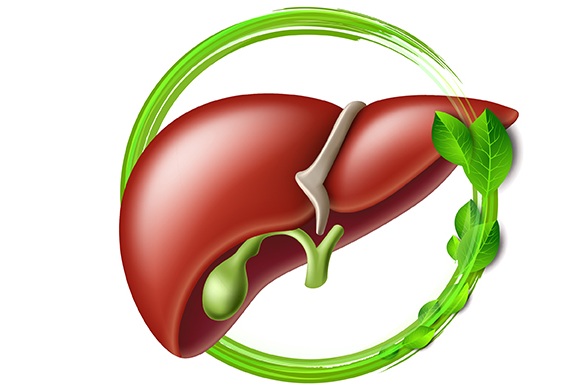
The liver is the organ that works continuously to filter toxins, regulate metabolism, and support digestion. When the lifestyle becomes chaotic, with irregular meals, stress, and exposure to chemicals, the liver needs support. Wormwood and mint, two bitter plants with a tradition in natural medicine, can provide profound hepatic revitalization in just one week.
Traditional Recipe with Wormwood and Mint
Ingredients:
- 1 tablespoon of wormwood (Artemisia absinthium) dried plant
- 1 tablespoon of mint (Mentha piperita) dried plant
- 500 ml water
Preparation Method:
- Boil the water, then add the wormwood and mint.
- Turn off the heat and cover the pot.
- Let it steep for 10-12 minutes.
- Strain and consume 1 cup, twice a day, in the morning on an empty stomach and in the evening before bed.
The treatment lasts for 7 days. Do not exceed this duration without the consent of a doctor or herbalist.
Benefits
1. Deep Detoxification of the Liver
Wormwood is one of the most bitter medicinal plants, and its bitterness stimulates bile production and promotes the elimination of toxins. The active compounds, especially absinthin and artabsin, have choleretic and cholagogue effects, stimulating bile flow and intestinal peristalsis. Thus, the liver is helped to cleanse itself effectively.
Mint contributes through its menthol to calming bile spasms and improving the digestion of fats, which put the most strain on the liver. Modern studies show that mint extract has hepatoprotective and antioxidant effects, helping to reduce hepatic oxidative stress.
2. Reduction of Hepatic Inflammation
Recent studies indicate that wormwood has an anti-inflammatory effect on the liver by inhibiting prostaglandins and inflammatory cytokines. At the same time, mint reduces inflammation through its volatile oils that act at the cellular level, reducing chronic inflammation affecting liver tissue.
A study published in Biomedicine & Pharmacotherapy (2021) showed that administration of wormwood extract in certain cases significantly reduced the levels of inflammatory liver enzymes (ALT, AST), signaling active regeneration of liver cells.
3. Stimulation of Hepatic Cell Regeneration
The active substances in wormwood, such as flavonoids and sesquiterpene lactones, contribute to the protection and regeneration of liver cells. They support the production of new hepatocytes and reduce fat accumulation in the liver. Similarly, menthol from mint helps maintain the integrity of liver cells and combat oxidative stress.
A study in Journal of Ethnopharmacology (2020) showed that wormwood protects the liver against toxicity induced by alcohol and chemicals, promoting tissue regeneration.
4. Improvement of Digestion and Absorption
The liver is essential for bile production, which emulsifies fats. Wormwood increases bile secretion, while mint facilitates its drainage into the duodenum. Thus, digestion is optimized, bloating is reduced, and the feeling of heaviness disappears.
Regular consumption of this infusion for 7 days helps the liver function efficiently, especially after periods of heavy eating or abuse of fats and sweets.
5. Combating Chronic Fatigue Caused by Liver Dysfunction
An overworked liver often leads to chronic fatigue, lack of concentration, and a general feeling of weakness. Through detoxification and stimulation of liver functions, this remedy can help restore overall tone. Wormwood, through its tonic effects, revitalizes the entire digestive and nervous system, while mint relaxes and energizes the body.
Contraindications
- Not recommended for pregnant or breastfeeding women.
- Contraindicated for individuals with gastric or duodenal ulcers.
- Avoid consumption in cases of neurological conditions (epilepsy) or sensitivity to mint.
- Individuals undergoing liver medication treatments should consult a doctor before starting this regimen.
Sources:
- Biomedicine & Pharmacotherapy Protective effect of Artemisia absinthium extract on liver injury in mice
- Journal of Ethnopharmacology Hepatoprotective activity of Artemisia species: A review
- NIH Peppermint Oil: Clinical and Experimental Evidence
- Phytotherapy Research Mentha piperita in gastrointestinal disorders




