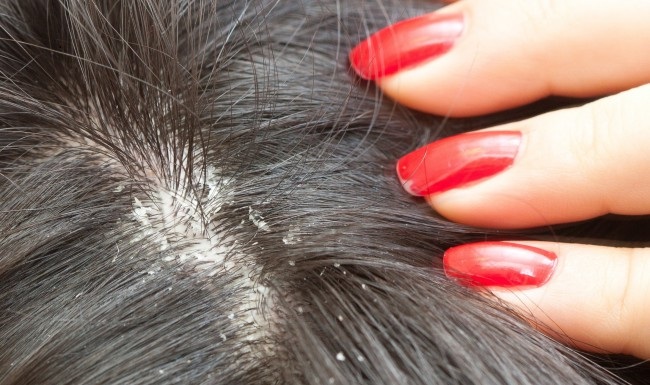
Seborrheic dermatitis is a chronic inflammatory skin condition that primarily affects areas rich in sebaceous glands, such as the scalp, eyebrows, nose, ears, chest, or back. It manifests as scaling (white or yellow flakes), redness, itching, and a burning or irritated sensation. It is often confused with simple dandruff or other types of eczema, but it has a more pronounced inflammatory component and a complex underlying mechanism.
The exact causes are not completely understood, but numerous studies suggest that a combination of factors contributes to its appearance:
- the excessive presence of the fungus Malassezia (a yeast normally present on the skin);
- imbalances in the skin microbiome;
- excessive sebum secretion;
- genetic predisposition;
- immune or neurological disorders (e.g., Parkinson’s);
- chronic stress and fatigue;
- unbalanced diet and lack of sleep.
1. Topical Probiotics
- What it does: Rebalances the skin microbiome, inhibiting Malassezia and bacteria associated with inflammation.
- Evidence 2024-2025: A study published in Scientific Reports (1.5 years follow-up) demonstrated that an oil suspension with Lactobacillus crispatus and L. paracasei significantly reduced seborrheic dermatitis symptoms and positively modified the microbiome composition.
- Also in 2025, Cosmetics reported that probiotic metabolites (peptides and organic acids) reduced the growth of M. furfur in vitro.
How to use: Apply a dermatologist-formulated lotion or gel with probiotics daily, as directed.
2. Tea Tree Oil Shampoo 5%
- What it does: A powerful antifungal (terpinen-4-ol), reduces inflammation and flakes.
- Evidence 2023: A meta-analysis in Frontiers in Pharmacology (2023) confirmed the efficacy of 5% tea tree gel in alleviating seborrheic dermatitis symptoms, although more studies are needed.
- A study in 2025 on 126 patients showed a 41% reduction in symptoms over 4 weeks, compared to 11% in the placebo group.
How to use: Use a 5% tea tree shampoo 2-3 times a week; leave it on the scalp for 35 minutes before rinsing.
3. Aloe Vera
- What it does: Anti-inflammatory, antifungal, and soothing effects.
- Evidence 2023: A study mentioned the benefits of aloe in hydrating the scalp and controlling fungal infections.
- VA.gov recommends applying gel 2-3 times a day as a cleanser or topical treatment.
How to use: Apply pure gel to affected areas 1-2 times a day for several weeks.
4. Coconut Oil
- What it does: Deeply hydrates and has antifungal action (lauric acid).
- Evidence 2025: Recommendations for coconut oil for scalp hydration and reducing seborrheic dermatitis flakes due to its antimicrobial effect.
How to use: Massage virgin coconut oil into the scalp, leave it for 12 hours, then wash with a gentle shampoo; repeat 1-2 times a week.
5. Apple Cider Vinegar
- What it does: Balances skin pH and limits fungal proliferation.
- Evidence 2025: Reports suggest using diluted vinegar for clarifying hair and scalp health due to its antifungal properties.
How to use: Dilute 1:1 with water, apply to the scalp for 10-15 minutes, then rinse. Test on a small area first and discontinue if irritation occurs.
Contraindications and Precautions
| Remedy | Possible Side Effects | Safety Recommendation |
|---|---|---|
| Topical Probiotics | Rare: local irritation | Test on a small area |
| Tea Tree Oil 5% | Stinging, local allergies | Dilute and test first |
| Aloe Vera | Possible contact dermatitis | Stop if irritation occurs |
| Coconut Oil | Dry/oily/dermatitis in sensitive cases | Rinse well |
| Apple Cider Vinegar | Burning on irritated skin | Do not use on broken skin |
Combined Application Guide
- Daily Routine: Apply aloe gel, leave for 30 minutes, then rinse.
- 2-3 times a week: Use 5% tea tree shampoo, leave for 35 minutes.
- Once a week: Coconut oil treatment before shampooing.
- Alternatively: Apply diluted apple cider vinegar after shampooing for pH balance, 10-15 minutes.
- Daily: Apply a dermatologist-formulated probiotic serum to affected areas.
Natural remedies can provide quick relief; probiotics and tea tree oil are the most supported by recent studies (2023-2025). Aloe, coconut oil, and apple cider vinegar complement the routine, hydrating and balancing the microbiome. The recommended duration is 4-8 weeks, with careful monitoring of skin reactions. Consult a dermatologist if symptoms persist or worsen.
Sources (2023-2025)
- Study Scientific Reports, 2023 – topical probiotics in seborrheic dermatitis
- Cosmetics, 2025 – probiotic metabolites with antifungal effect
- Frontiers in Pharmacology, 2023 – 5% tea tree gel in seborrheic dermatitis
- Satchell 2025 – 5% tea tree shampoo, 41% reduction
- Healthline & VA.gov 2023 – aloe vera in dermatitis
- Health.com / Health news 2025 – coconut oil and apple cider vinegar




